




Humidifiers
Humidifiers add moisture to a home's air during heating season. The category covers bypass and fan-powered evaporative units, steam humidifiers that generate steam by heating water directly, and electrode-style steam humidifiers that use the water's own electrical conductivity to generate steam.
Choosing between evaporative and steam humidifier styles depends on the home's humidification demand and heating system. Steam humidifiers operate independently of the furnace blower, while bypass models rely on it. Humidistats and dehumidistats round out the category, giving a system automatic control over indoor relative humidity.


 cat pic.jpg)

Subcategories
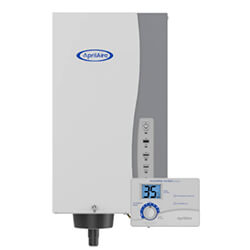
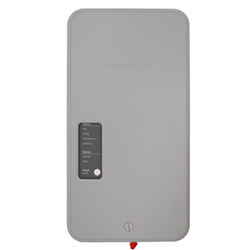
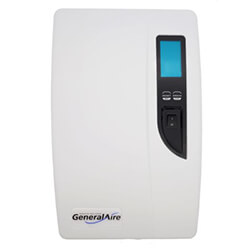
- Aprilaire Steam Humidifiers: Aprilaire Steam Humidifiers generate steam by heating water in a canister using electric resistance heating elements, then distribute the steam into the HVAC airstream through a distribution tube on the supply plenum. Steam humidifiers operate independently of the furnace blower and can run any time humidity is needed, including when the heating system is not running. They are available in multiple output capacities to match the humidification demand of different home sizes.
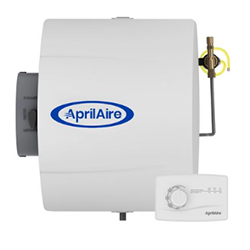
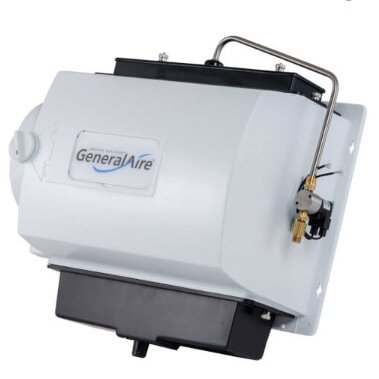
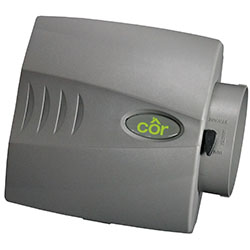
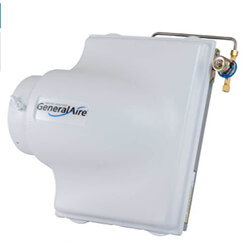
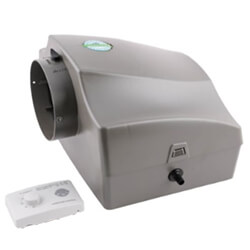
- Aprilaire Humidifiers: Aprilaire Humidifiers are bypass and fan-powered evaporative humidifiers that introduce moisture by passing heated air over a water panel evaporator. Bypass humidifiers connect between the supply and return plenums and use the pressure differential from the furnace blower to draw supply air through the humidifier. Fan-powered models incorporate their own blower, providing higher moisture output than bypass models and the ability to operate without the furnace blower running.
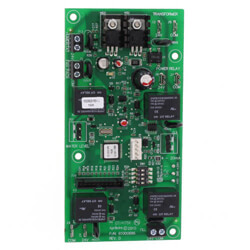
- Humidifier Replacement Parts: Humidifier Replacement Parts include solenoid valves, distribution tubes, orifice fittings, saddle valves, steam canisters, electrode assemblies, and other components required to service and maintain whole-house humidifiers. Solenoid valves control the water supply and are a common wear component. Steam canisters in electrode humidifiers collect mineral scale and require periodic replacement depending on water hardness.
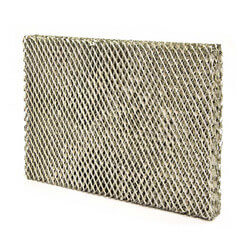
- Humidifier Filters - Pads (Water Panel Evaporators): Humidifier Filters - Pads (Water Panel Evaporators) are the evaporative media used in bypass and fan-powered humidifiers. Water panels absorb water and expose it to the airstream for evaporation. Mineral deposits from hard water accumulate on the water panel over the heating season and reduce its ability to distribute water, degrading output. Water panels should be replaced at least once per heating season, or more frequently in hard water areas.
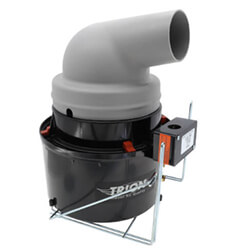
- Honeywell Home Electrode Humidifiers: Honeywell Home Electrode Humidifiers generate steam using the electrical conductivity of the water itself rather than resistance heating elements. Electrodes submerged in the water canister pass current through the water, and the water's natural mineral content provides the resistance that converts the current to heat. Electrode humidifiers self-limit output based on water conductivity and require periodic canister replacement as mineral buildup reduces steam production.
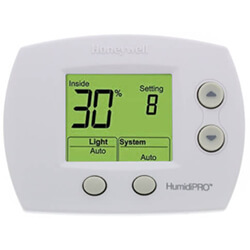
- Humidistats and Dehumidistats: Humidistats and Dehumidistats monitor indoor relative humidity and signal the humidifier to operate when humidity falls below the setpoint. Most whole-house humidistats mount on the return air duct, sampling air returning from the home for a representative average humidity reading. Outdoor temperature compensation automatically reduces the indoor setpoint as outdoor temperature drops, preventing condensation on windows and exterior walls in very cold weather.
Buying Guide
Humidifier output capacity, rated in gallons per day, must be matched to the size of the home and the climate. Steam humidifiers are most effective for homes with heat pumps or variable-speed air handlers that may not produce consistently warm supply air. Water panel replacement is the most important maintenance task for evaporative humidifiers, with most manufacturers recommending replacement at least once per heating season.
Frequently Asked Questions
What is the recommended indoor relative humidity level for a home?
Most HVAC industry guidance recommends maintaining indoor relative humidity between 30 and 50 percent. Below 30 percent, dry air causes respiratory discomfort, static electricity, and can damage hardwood floors. Above 50 percent, excess moisture can condense on windows and cold surfaces, promoting mold growth. In very cold climates, the indoor setpoint may need to be reduced below 35 percent to prevent condensation on windows and in wall cavities.
What is the difference between a bypass humidifier and a steam humidifier?
A bypass humidifier adds moisture by passing furnace-heated supply air over a wetted water panel. It operates only when the furnace blower is running and the supply air is warm enough to evaporate water. A steam humidifier generates steam electrically and injects it directly into the airstream, operating independently of the furnace. Steam humidifiers are more effective in heat pump systems or homes where humidity needs to be maintained during cooling season.
How often should I replace the water panel in my humidifier?
Most manufacturers recommend replacing the water panel at least once per heating season, typically at the beginning of the season. In areas with hard water, replacement may be needed mid-season because mineral deposits accumulate more rapidly. A clogged water panel cannot wick or distribute water effectively, so humidifier output drops significantly. Inspecting the panel at mid-season allows you to determine whether replacement is needed before significant output degradation occurs.
Can a whole-house humidifier cause mold problems?
A properly sized, correctly installed humidifier maintained at the recommended setpoint does not cause mold problems. Problems can result from a humidistat set too high, causing excess moisture to condense on windows or in wall cavities. In cold climates, the indoor setpoint should be reduced as outdoor temperature drops. A humidistat with outdoor temperature compensation automatically adjusts the indoor setpoint, preventing over-humidification without requiring manual adjustment throughout the season.
Where should a whole-house humidifier be installed on the ductwork?
Bypass humidifiers typically install on the supply plenum with a bypass duct returning to the return plenum. Fan-powered humidifiers install on the return plenum, drawing return air through the humidifier and injecting humidified air back to the return. Steam humidifiers install on the supply plenum, injecting steam directly into the supply airstream where it mixes with air before reaching the distribution registers.
Resources
Subcategories
- Aprilaire Steam Humidifiers: Aprilaire Steam Humidifiers generate steam by heating water in a canister using electric resistance heating elements, then distribute the steam into the HVAC airstream through a distribution tube on the supply plenum. Steam humidifiers operate independently of the furnace blower and can run any time humidity is needed, including when the heating system is not running. They are available in multiple output capacities to match the humidification demand of different home sizes.
- Aprilaire Humidifiers: Aprilaire Humidifiers are bypass and fan-powered evaporative humidifiers that introduce moisture by passing heated air over a water panel evaporator. Bypass humidifiers connect between the supply and return plenums and use the pressure differential from the furnace blower to draw supply air through the humidifier. Fan-powered models incorporate their own blower, providing higher moisture output than bypass models and the ability to operate without the furnace blower running.
- Humidifier Replacement Parts: Humidifier Replacement Parts include solenoid valves, distribution tubes, orifice fittings, saddle valves, steam canisters, electrode assemblies, and other components required to service and maintain whole-house humidifiers. Solenoid valves control the water supply and are a common wear component. Steam canisters in electrode humidifiers collect mineral scale and require periodic replacement depending on water hardness.
- Humidifier Filters - Pads (Water Panel Evaporators): Humidifier Filters - Pads (Water Panel Evaporators) are the evaporative media used in bypass and fan-powered humidifiers. Water panels absorb water and expose it to the airstream for evaporation. Mineral deposits from hard water accumulate on the water panel over the heating season and reduce its ability to distribute water, degrading output. Water panels should be replaced at least once per heating season, or more frequently in hard water areas.
- Honeywell Home Electrode Humidifiers: Honeywell Home Electrode Humidifiers generate steam using the electrical conductivity of the water itself rather than resistance heating elements. Electrodes submerged in the water canister pass current through the water, and the water's natural mineral content provides the resistance that converts the current to heat. Electrode humidifiers self-limit output based on water conductivity and require periodic canister replacement as mineral buildup reduces steam production.
- Humidistats and Dehumidistats: Humidistats and Dehumidistats monitor indoor relative humidity and signal the humidifier to operate when humidity falls below the setpoint. Most whole-house humidistats mount on the return air duct, sampling air returning from the home for a representative average humidity reading. Outdoor temperature compensation automatically reduces the indoor setpoint as outdoor temperature drops, preventing condensation on windows and exterior walls in very cold weather.
Buying Guide
Humidifier output capacity, rated in gallons per day, must be matched to the size of the home and the climate. Steam humidifiers are most effective for homes with heat pumps or variable-speed air handlers that may not produce consistently warm supply air. Water panel replacement is the most important maintenance task for evaporative humidifiers, with most manufacturers recommending replacement at least once per heating season.
Frequently Asked Questions
What is the recommended indoor relative humidity level for a home?
Most HVAC industry guidance recommends maintaining indoor relative humidity between 30 and 50 percent. Below 30 percent, dry air causes respiratory discomfort, static electricity, and can damage hardwood floors. Above 50 percent, excess moisture can condense on windows and cold surfaces, promoting mold growth. In very cold climates, the indoor setpoint may need to be reduced below 35 percent to prevent condensation on windows and in wall cavities.
What is the difference between a bypass humidifier and a steam humidifier?
A bypass humidifier adds moisture by passing furnace-heated supply air over a wetted water panel. It operates only when the furnace blower is running and the supply air is warm enough to evaporate water. A steam humidifier generates steam electrically and injects it directly into the airstream, operating independently of the furnace. Steam humidifiers are more effective in heat pump systems or homes where humidity needs to be maintained during cooling season.
How often should I replace the water panel in my humidifier?
Most manufacturers recommend replacing the water panel at least once per heating season, typically at the beginning of the season. In areas with hard water, replacement may be needed mid-season because mineral deposits accumulate more rapidly. A clogged water panel cannot wick or distribute water effectively, so humidifier output drops significantly. Inspecting the panel at mid-season allows you to determine whether replacement is needed before significant output degradation occurs.
Can a whole-house humidifier cause mold problems?
A properly sized, correctly installed humidifier maintained at the recommended setpoint does not cause mold problems. Problems can result from a humidistat set too high, causing excess moisture to condense on windows or in wall cavities. In cold climates, the indoor setpoint should be reduced as outdoor temperature drops. A humidistat with outdoor temperature compensation automatically adjusts the indoor setpoint, preventing over-humidification without requiring manual adjustment throughout the season.
Where should a whole-house humidifier be installed on the ductwork?
Bypass humidifiers typically install on the supply plenum with a bypass duct returning to the return plenum. Fan-powered humidifiers install on the return plenum, drawing return air through the humidifier and injecting humidified air back to the return. Steam humidifiers install on the supply plenum, injecting steam directly into the supply airstream where it mixes with air before reaching the distribution registers.