



PEX-AL-PEX
PEX-AL-PEX tubing sandwiches a thin aluminum layer between two PEX layers, giving it lower thermal expansion and better shape retention than standard PEX, which makes it a common choice for radiant heat installations. The category also covers the tools and compression fittings built specifically for this tubing type.
The aluminum layer means PEX-AL-PEX needs its own dedicated tools, including chamfering and deburring tools, since standard PEX crimp or expansion tools are not built for the composite wall. Radiant compression fittings in this category are designed specifically to seal against that aluminum layer.
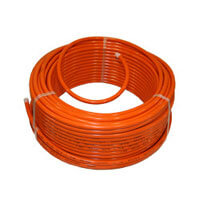

Bluefin PEX-AL-PEX Tubing is a three-layer aluminum composite tubing available in standard plumbing and heating sizes for residential and light commercial hydronic heating systems and domestic plumbing. Available in straight lengths and coils, Bluefin PEX-AL-PEX is compatible with the full range of PEX-AL-PEX press-sleeve, compression, and crimp fittings and is produced to ASTM and ISO dimensional standards.
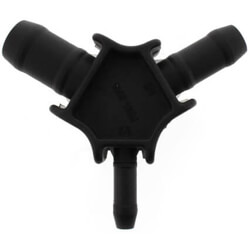
PEX-al-PEX Tools include the chamfering tools, deburring tools, and pressing or compression tools required to prepare tube ends and make leak-free connections. Because the aluminum layer is exposed when the tube is cut, the cut end must be chamfered to remove sharp aluminum edges that can damage fitting O-rings or sleeves. A properly prepared tube end is essential for reliable compression and press connections.
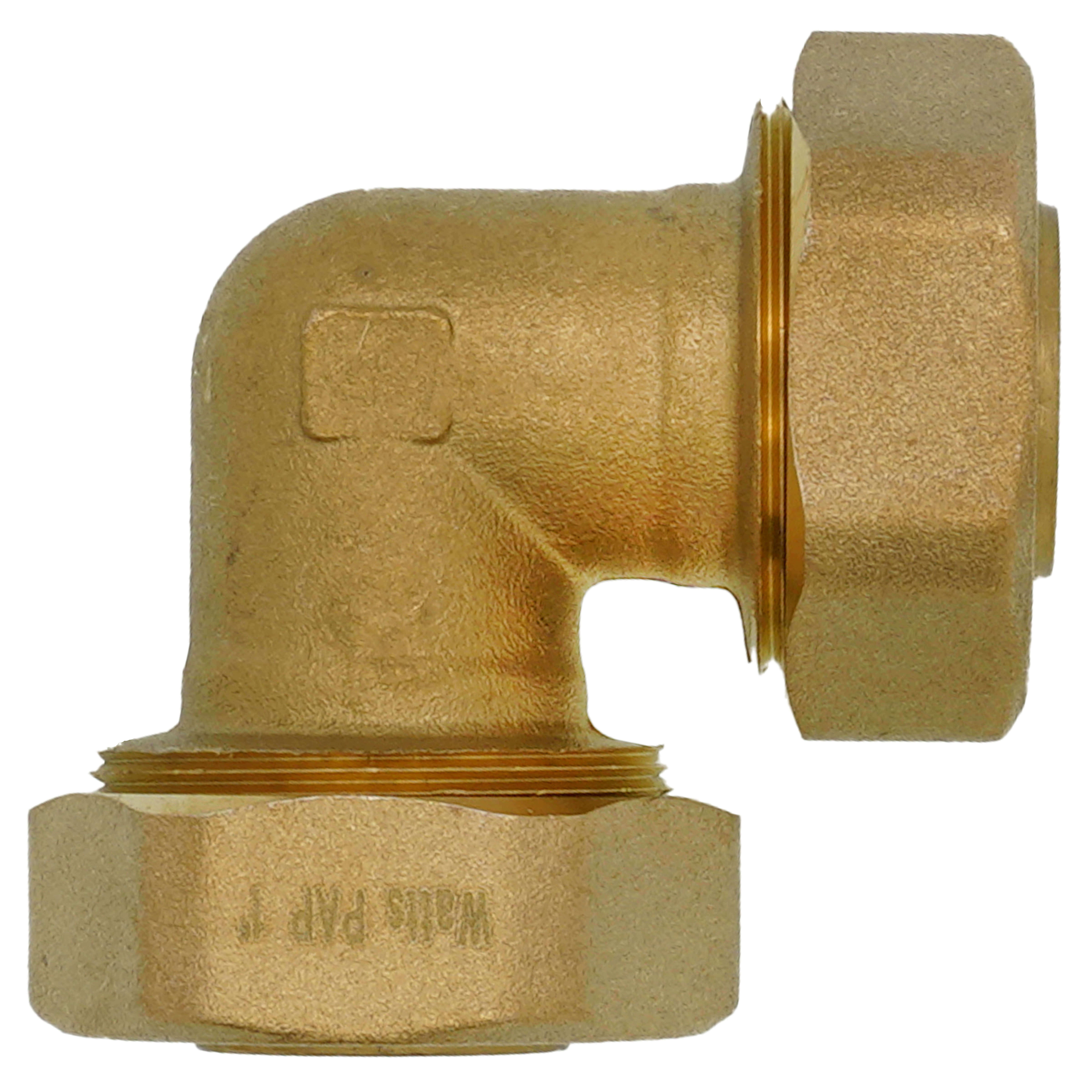
PEX Radiant Compression Fittings are the fitting system used to connect PEX-AL-PEX tubing to manifolds, valves, and other system components using a mechanical compression sleeve. Compression fittings require no specialized tools beyond what is needed to prepare the tube end, making them practical for repairs and final connections. The fitting must be specifically rated for PEX-AL-PEX tubing to ensure compatibility with the composite tube wall dimensions.
PEX-AL-PEX is the preferred tubing choice in hydronic heating systems with ferrous components where an oxygen barrier is required. The bend-and-hold characteristic simplifies installation where the tubing must follow a specific path without mechanical supports at each curve, and the lower thermal expansion rate reduces the need for expansion loops in long straight runs.
Tube preparation is critical for PEX-AL-PEX installations. The tube must be cut squarely and the cut end chamfered before inserting into any fitting. Skipping chamfering can result in the aluminum edge cutting the fitting O-ring during insertion or after thermal cycling, creating a slow leak that may take months to appear after initial system startup.
What is the difference between PEX-AL-PEX and standard PEX?
PEX-AL-PEX has a welded aluminum core sandwiched between two PEX layers, while standard PEX is a single-material tube with no metal layer. The aluminum core gives PEX-AL-PEX three properties standard PEX lacks: it holds its bent shape, it has a lower coefficient of thermal expansion, and it provides an oxygen barrier. Standard PEX-A and PEX-B do not have an oxygen barrier and are not suitable for closed hydronic systems with ferrous components without supplemental oxygen protection.
Can PEX-AL-PEX be used for potable water?
PEX-AL-PEX is approved for potable water applications in many jurisdictions and is listed to ASTM F1281 or ISO 21003 standards. The inner PEX layer is NSF 61 certified for potable water contact. However, local plumbing code acceptance varies by jurisdiction, and the tubing and fittings should be confirmed as listed for potable water use by the local authority having jurisdiction before installation.
What fittings are used with PEX-AL-PEX?
PEX-AL-PEX requires fittings specifically rated for PEX-AL-PEX composite tubing, as the composite wall dimensions differ from standard PEX. The most common types are compression fittings with a nut and sleeve, and press-sleeve fittings that use a dedicated pressing tool. Standard PEX crimp or clamp fittings are not compatible with PEX-AL-PEX.
Why does PEX-AL-PEX require chamfering before fitting connections?
PEX-AL-PEX has an aluminum layer exposed at the cut end after cutting. The cut aluminum edge is sharp and can damage fitting O-rings and compression sleeves during insertion or thermal cycling. Chamfering removes the sharp edges with a beveling tool. A tube inserted without chamfering may produce an initially leak-free connection that fails after a small number of thermal cycles as the sharp aluminum edge works through the fitting seal.
Can PEX-AL-PEX be repaired if it is damaged?
PEX-AL-PEX can be repaired by cutting out the damaged section and installing compression or press fittings on each cut end, then connecting a short section of replacement tubing between the two repair fittings. The cut ends of both the existing tubing and the repair section must be chamfered before installing fittings. After repair, pressure-test the system to confirm both new fittings are leak-free before returning to service.
Resources

 --%3E %3C!DOCTYPE svg PUBLIC '-//W3C//DTD SVG 1.1//EN' 'http://www.w3.org/Graphics/SVG/1.1/DTD/svg11.dtd'%3E %3Csvg version='1.1' id='Layer_1' xmlns='http://www.w3.org/2000/svg' xmlns:xlink='http://www.w3.org/1999/xlink' x='0px' y='0px' width='90px' height='90px' viewBox='0 0 90 90' enable-background='new 0 0 90 90' xml:space='preserve'%3E %3Crect x='27' y='23' fill='%23FFFFFF' width='43' height='44'/%3E %3Cg%3E %3Cdefs%3E %3Crect id='SVGID_1_' width='90' height='90'/%3E %3C/defs%3E %3CclipPath id='SVGID_2_'%3E %3Cuse xlink:href='%23SVGID_1_' overflow='visible'/%3E %3C/clipPath%3E %3Cpath clip-path='url(%23SVGID_2_)' fill='%234186AD' d='M45,0C20.1,0,0,20.1,0,45c0,24.9,20.1,45,45,45c24.9,0,45-20.1,45-45 C90,20.1,69.9,0,45,0'/%3E %3C/g%3E %3Cpath fill='%23FFFFFF' d='M60.6,47.4l-22.5,14c-0.5,0.3-1,0.399-1.5,0.399s-0.9-0.1-1.4-0.399c-0.9-0.5-1.4-1.4-1.4-2.5v-28 c0-1,0.6-2,1.4-2.5c0.9-0.5,2-0.5,2.9,0.1l22.5,14.1C61.4,43.1,61.9,44,61.9,45S61.4,46.9,60.6,47.4'/%3E %3C/svg%3E)
Bluefin PEX-AL-PEX Tubing is a three-layer aluminum composite tubing available in standard plumbing and heating sizes for residential and light commercial hydronic heating systems and domestic plumbing. Available in straight lengths and coils, Bluefin PEX-AL-PEX is compatible with the full range of PEX-AL-PEX press-sleeve, compression, and crimp fittings and is produced to ASTM and ISO dimensional standards.
PEX-al-PEX Tools include the chamfering tools, deburring tools, and pressing or compression tools required to prepare tube ends and make leak-free connections. Because the aluminum layer is exposed when the tube is cut, the cut end must be chamfered to remove sharp aluminum edges that can damage fitting O-rings or sleeves. A properly prepared tube end is essential for reliable compression and press connections.
PEX Radiant Compression Fittings are the fitting system used to connect PEX-AL-PEX tubing to manifolds, valves, and other system components using a mechanical compression sleeve. Compression fittings require no specialized tools beyond what is needed to prepare the tube end, making them practical for repairs and final connections. The fitting must be specifically rated for PEX-AL-PEX tubing to ensure compatibility with the composite tube wall dimensions.
PEX-AL-PEX is the preferred tubing choice in hydronic heating systems with ferrous components where an oxygen barrier is required. The bend-and-hold characteristic simplifies installation where the tubing must follow a specific path without mechanical supports at each curve, and the lower thermal expansion rate reduces the need for expansion loops in long straight runs.
Tube preparation is critical for PEX-AL-PEX installations. The tube must be cut squarely and the cut end chamfered before inserting into any fitting. Skipping chamfering can result in the aluminum edge cutting the fitting O-ring during insertion or after thermal cycling, creating a slow leak that may take months to appear after initial system startup.
What is the difference between PEX-AL-PEX and standard PEX?
PEX-AL-PEX has a welded aluminum core sandwiched between two PEX layers, while standard PEX is a single-material tube with no metal layer. The aluminum core gives PEX-AL-PEX three properties standard PEX lacks: it holds its bent shape, it has a lower coefficient of thermal expansion, and it provides an oxygen barrier. Standard PEX-A and PEX-B do not have an oxygen barrier and are not suitable for closed hydronic systems with ferrous components without supplemental oxygen protection.
Can PEX-AL-PEX be used for potable water?
PEX-AL-PEX is approved for potable water applications in many jurisdictions and is listed to ASTM F1281 or ISO 21003 standards. The inner PEX layer is NSF 61 certified for potable water contact. However, local plumbing code acceptance varies by jurisdiction, and the tubing and fittings should be confirmed as listed for potable water use by the local authority having jurisdiction before installation.
What fittings are used with PEX-AL-PEX?
PEX-AL-PEX requires fittings specifically rated for PEX-AL-PEX composite tubing, as the composite wall dimensions differ from standard PEX. The most common types are compression fittings with a nut and sleeve, and press-sleeve fittings that use a dedicated pressing tool. Standard PEX crimp or clamp fittings are not compatible with PEX-AL-PEX.
Why does PEX-AL-PEX require chamfering before fitting connections?
PEX-AL-PEX has an aluminum layer exposed at the cut end after cutting. The cut aluminum edge is sharp and can damage fitting O-rings and compression sleeves during insertion or thermal cycling. Chamfering removes the sharp edges with a beveling tool. A tube inserted without chamfering may produce an initially leak-free connection that fails after a small number of thermal cycles as the sharp aluminum edge works through the fitting seal.
Can PEX-AL-PEX be repaired if it is damaged?
PEX-AL-PEX can be repaired by cutting out the damaged section and installing compression or press fittings on each cut end, then connecting a short section of replacement tubing between the two repair fittings. The cut ends of both the existing tubing and the repair section must be chamfered before installing fittings. After repair, pressure-test the system to confirm both new fittings are leak-free before returning to service.