




4 Ton Evaporator Coils

 --%3E %3Csvg version='1.1' id='No-RB' xmlns='http://www.w3.org/2000/svg' xmlns:xlink='http://www.w3.org/1999/xlink' x='0px' y='0px' viewBox='0 0 100 100' enable-background='new 0 0 100 100' xml:space='preserve'%3E %3Cpath fill='%23CECECE' d='M79.44,0.95H20.56C9.78,0.95,0.95,9.78,0.95,20.56v58.87c0,10.79,8.82,19.61,19.61,19.61h58.87 c10.79,0,19.61-8.83,19.61-19.61V20.56C99.05,9.78,90.22,0.95,79.44,0.95z M65.38,58.24l9.38,29.58L49.69,69.78L24.5,87.82 l9.34-29.6L8.8,39.6l30.73-0.17c0,0,6.98-19.61,10-28.93c0.54,1.36,9.88,29.1,9.88,29.1H91.2L65.38,58.24z'/%3E %3C/svg%3E)
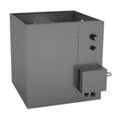
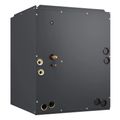
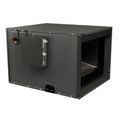
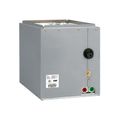

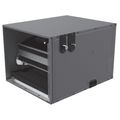
4 ton evaporator coils are indoor cooling coils sized to match a 4-ton condensing unit in a central air conditioning or heat pump system. The evaporator coil sits in the air handler or furnace plenum and absorbs heat from a home's air as refrigerant passes through it, which is the step that actually produces the cooling effect delivered through the ductwork. Matching coil capacity to the outdoor condensing unit's tonnage keeps the system operating at its designed efficiency and refrigerant charge, since a mismatched pairing can lead to poor dehumidification, reduced cooling capacity, or added strain on the compressor. Coils come in different configurations, including cased and uncased, upflow, downflow, and horizontal orientations, to fit different furnace and air handler layouts. For a technician replacing a failed coil or upgrading a condensing unit, confirming both tonnage and cabinet fit before ordering avoids a return trip for the wrong part.
Subcategories
- Cased Evaporator Coils: Cased evaporator coils come enclosed in their own sheet metal cabinet, which simplifies installation by connecting directly to an existing furnace or air handler without additional ductwork transitions. Installers reach for a cased coil when replacing a like-for-like unit or when a clean, finished appearance matters in a visible mechanical space. The enclosure also protects the coil fins from damage during handling and installation.
- Uncased Evaporator Coils: Uncased evaporator coils ship without an enclosure and are designed to slide into an existing plenum or custom ductwork transition. Installers select an uncased coil when working with a non-standard plenum size or when matching a coil to ductwork that wasn't built around a standard cased unit. This option gives more flexibility for retrofit installations where cabinet dimensions vary.
- Coil Orientation Types (Upflow, Downflow, Horizontal): Coil orientation refers to how air flows through the coil relative to the furnace or air handler's position, whether that's upflow, downflow, or horizontal for attic and crawlspace installations. Choosing the correct orientation matters for proper drainage of condensate and correct airflow direction through the coil. Installing the wrong orientation can cause water to pool inside the cabinet instead of draining out through the condensate line.
Buying Guide
Confirm the outdoor condensing unit's tonnage before ordering, since the evaporator coil needs to match that capacity for the system to operate at its designed efficiency. A mismatched coil and condenser combination can reduce cooling capacity, hurt dehumidification, and put extra strain on the compressor over time.
Check cabinet dimensions and airflow orientation against the existing furnace or air handler. 4 ton evaporator coils come in upflow, downflow, and horizontal configurations, and choosing the wrong orientation affects both airflow direction and condensate drainage, which can lead to water pooling inside the unit instead of draining properly.
Decide between a cased or uncased coil based on the installation. A cased coil connects more simply to existing equipment and protects the coil fins during handling, while an uncased coil offers more flexibility for a custom or non-standard plenum.
Verify the refrigerant type the coil is designed for, since coils built for older refrigerant types aren't compatible with systems using newer refrigerants without additional adapting components. Pairing coil and condenser refrigerant types correctly avoids performance and charging issues down the line.
Finally, factor in coil width and height clearance in the mechanical space itself, particularly for tight attic, closet, or crawlspace installations where a coil that's a close match on paper still might not physically fit without modification.
Frequently Asked Questions
How do I know what tonnage evaporator coil I need?
Match the coil tonnage to the outdoor condensing unit's rated capacity, which is listed on the unit's nameplate. Installing a coil sized differently than the condenser can reduce system efficiency and shorten equipment life.
What's the difference between cased and uncased evaporator coils?
A cased coil comes in its own sheet metal enclosure and connects directly to existing equipment, while an uncased coil ships without an enclosure and slides into an existing plenum or custom transition. Uncased coils offer more flexibility for non-standard installations, while cased coils are typically simpler for straightforward replacements.
Why does coil orientation matter?
Orientation determines both airflow direction through the coil and how condensate drains out of the cabinet. Installing the wrong orientation can cause water to collect inside the unit instead of draining properly, which risks water damage and mold growth over time.
Can any 4 ton coil work with any 4 ton condenser?
Not necessarily. Tonnage match is the starting point, but refrigerant type, cabinet dimensions, and airflow orientation all need to line up with the specific system for the coil to perform and fit correctly.
What are signs an evaporator coil needs replacement?
Reduced cooling performance, visible ice buildup on the coil, or refrigerant leaks detected during service are common signs a coil needs replacement. A coil that's corroded or has damaged fins from age or previous water exposure is also a candidate for replacement rather than repair.
