




Bacharach HVAC Tools
Bacharach HVAC tools cover the combustion analysis, refrigerant recovery, and gas detection equipment technicians use to service heating and cooling systems. The category includes complete combustion analyzers and gas monitors as well as the replacement sensors, probes, and accessories that keep existing units calibrated.
Combustion analyzers and gas detectors both rely on sensors that wear out with regular use, so having replacement parts on hand keeps test equipment in service without a full unit replacement. Technicians who perform routine combustion tuning or leak surveys depend on this equipment staying calibrated and field ready.

Subcategories
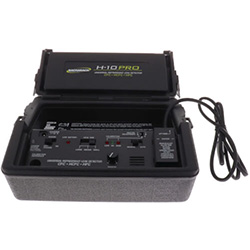
- AC & Refrigerant Recovery Systems: Recovery systems pull refrigerant out of an AC or refrigeration system so a tech can service the equipment or dispose of the refrigerant properly, which EPA regulations require before opening a sealed system. HVAC techs working residential and light commercial AC keep a recovery unit on the truck for any job that involves opening the refrigerant circuit.
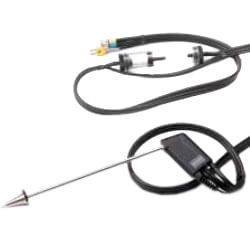
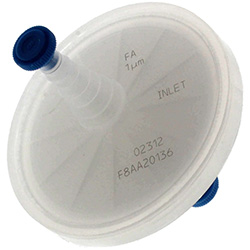
- Combustion Analyzer Parts & Accessories: Combustion analyzer parts and accessories cover the sensors, probes, filters, and other components that keep a combustion analyzer reading accurately over time. Electrochemical sensors have a limited service life and degrade with exposure to flue gas, so techs running analyzers daily keep replacement sensors on hand rather than sending the unit out for service every time a sensor reads low.
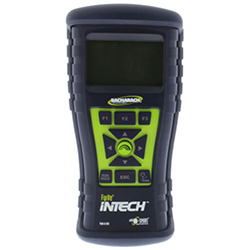
- Combustion Analyzers: Combustion analyzers measure oxygen, carbon monoxide, and other flue gas components to verify that a furnace, boiler, or water heater is burning cleanly and safely. Bacharach's PCA3, for example, measures up to four gases at once from a choice of six field-upgradable electrochemical sensors and performs combustion calculations for ten different fuels, which lets one unit cover a range of appliance types a tech might see in a day.
- Gas Analyzer and Monitor Parts & Accessories: Replacement parts for gas analyzers and monitors keep fixed and portable units in calibration and in service, covering sensors, filters, and other wear components. Facilities running continuous gas monitoring equipment need these parts on hand since a failed sensor on a safety monitor isn't something that can wait for a full unit replacement.
- Gas Analyzers & Monitors: Gas analyzers and monitors detect and measure specific gases in the air, whether for combustion safety, refrigerant leak detection, or general air quality monitoring in mechanical rooms and other enclosed spaces. Facility managers and HVAC techs use fixed monitors for continuous protection and portable analyzers for spot checks during service calls.
- Leak Detector Parts & Accessories: Leak detector parts and accessories cover the sensors, tips, and other components that keep refrigerant leak detectors working accurately. HVAC techs replace these wear parts on a regular schedule since a leak detector with a worn sensor can miss a leak that a fresh sensor would catch.
Buying Guide
Match the analyzer to the fuel types and appliances a crew services most often. A tech working residential gas furnaces and water heaters needs different sensor coverage than one servicing commercial boilers running oil or dual fuel, so check which gases and fuels an analyzer supports before buying.
Sensor count and configuration matter as much as the base unit. Field-upgradable sensor slots let a tech add capability later, such as NO or SO2 measurement, instead of buying a new analyzer when a job requires a gas the original unit wasn't set up to read.
Factor in consumable costs over the life of the tool. Electrochemical sensors have a limited lifespan and degrade with use, so budget for periodic sensor replacement rather than treating the upfront purchase as the only cost of owning a combustion analyzer.
For refrigerant work, make sure recovery equipment matches the refrigerant types and system sizes a crew actually services, since recovery speed and compatibility vary by unit and EPA compliance depends on using the right equipment for the refrigerant in question.
Battery life and display readability matter more than they seem on paper once a tool is used daily in mechanical rooms, attics, and other tough field conditions. A unit with a clear display and enough runtime to get through a full day of calls saves time compared to one that needs frequent charging or is hard to read in low light.
Frequently Asked Questions
How many gases can a Bacharach combustion analyzer measure at once?
The PCA3, for example, measures up to four gases simultaneously from a choice of six field-upgradable electrochemical sensors, which covers oxygen, carbon monoxide, and additional gases like NO, NO2, and SO2 depending on which sensors are installed.
How often do combustion analyzer sensors need to be replaced?
Electrochemical sensors have a limited service life and degrade with exposure to flue gas over time, so replacement frequency depends on how often the analyzer is used. Techs running analyzers daily should check sensor readings regularly and budget for periodic sensor replacement rather than waiting for a failure.
Do I need a refrigerant recovery system for every AC service call?
Any job that involves opening a sealed refrigerant circuit requires recovering the refrigerant first, since EPA regulations prohibit venting refrigerant to the atmosphere. That makes a recovery system standard equipment for AC service work rather than an occasional-use tool.
Can I add more gas sensors to a combustion analyzer later?
Units with field-upgradable sensor slots, like the Bacharach PCA3, allow additional sensors to be added after purchase, which means a tech can start with basic O2 and CO measurement and add sensors like NO or SO2 later as the job requires.
What fuels can a Bacharach combustion analyzer calculate combustion efficiency for?
The PCA3 performs combustion calculations for ten different fuels, which covers the common fuel types a tech would encounter across residential and commercial furnaces, boilers, and water heaters.
Resources
Subcategories
- AC & Refrigerant Recovery Systems: Recovery systems pull refrigerant out of an AC or refrigeration system so a tech can service the equipment or dispose of the refrigerant properly, which EPA regulations require before opening a sealed system. HVAC techs working residential and light commercial AC keep a recovery unit on the truck for any job that involves opening the refrigerant circuit.
- Combustion Analyzer Parts & Accessories: Combustion analyzer parts and accessories cover the sensors, probes, filters, and other components that keep a combustion analyzer reading accurately over time. Electrochemical sensors have a limited service life and degrade with exposure to flue gas, so techs running analyzers daily keep replacement sensors on hand rather than sending the unit out for service every time a sensor reads low.
- Combustion Analyzers: Combustion analyzers measure oxygen, carbon monoxide, and other flue gas components to verify that a furnace, boiler, or water heater is burning cleanly and safely. Bacharach's PCA3, for example, measures up to four gases at once from a choice of six field-upgradable electrochemical sensors and performs combustion calculations for ten different fuels, which lets one unit cover a range of appliance types a tech might see in a day.
- Gas Analyzer and Monitor Parts & Accessories: Replacement parts for gas analyzers and monitors keep fixed and portable units in calibration and in service, covering sensors, filters, and other wear components. Facilities running continuous gas monitoring equipment need these parts on hand since a failed sensor on a safety monitor isn't something that can wait for a full unit replacement.
- Gas Analyzers & Monitors: Gas analyzers and monitors detect and measure specific gases in the air, whether for combustion safety, refrigerant leak detection, or general air quality monitoring in mechanical rooms and other enclosed spaces. Facility managers and HVAC techs use fixed monitors for continuous protection and portable analyzers for spot checks during service calls.
- Leak Detector Parts & Accessories: Leak detector parts and accessories cover the sensors, tips, and other components that keep refrigerant leak detectors working accurately. HVAC techs replace these wear parts on a regular schedule since a leak detector with a worn sensor can miss a leak that a fresh sensor would catch.
Buying Guide
Match the analyzer to the fuel types and appliances a crew services most often. A tech working residential gas furnaces and water heaters needs different sensor coverage than one servicing commercial boilers running oil or dual fuel, so check which gases and fuels an analyzer supports before buying.
Sensor count and configuration matter as much as the base unit. Field-upgradable sensor slots let a tech add capability later, such as NO or SO2 measurement, instead of buying a new analyzer when a job requires a gas the original unit wasn't set up to read.
Factor in consumable costs over the life of the tool. Electrochemical sensors have a limited lifespan and degrade with use, so budget for periodic sensor replacement rather than treating the upfront purchase as the only cost of owning a combustion analyzer.
For refrigerant work, make sure recovery equipment matches the refrigerant types and system sizes a crew actually services, since recovery speed and compatibility vary by unit and EPA compliance depends on using the right equipment for the refrigerant in question.
Battery life and display readability matter more than they seem on paper once a tool is used daily in mechanical rooms, attics, and other tough field conditions. A unit with a clear display and enough runtime to get through a full day of calls saves time compared to one that needs frequent charging or is hard to read in low light.
Frequently Asked Questions
How many gases can a Bacharach combustion analyzer measure at once?
The PCA3, for example, measures up to four gases simultaneously from a choice of six field-upgradable electrochemical sensors, which covers oxygen, carbon monoxide, and additional gases like NO, NO2, and SO2 depending on which sensors are installed.
How often do combustion analyzer sensors need to be replaced?
Electrochemical sensors have a limited service life and degrade with exposure to flue gas over time, so replacement frequency depends on how often the analyzer is used. Techs running analyzers daily should check sensor readings regularly and budget for periodic sensor replacement rather than waiting for a failure.
Do I need a refrigerant recovery system for every AC service call?
Any job that involves opening a sealed refrigerant circuit requires recovering the refrigerant first, since EPA regulations prohibit venting refrigerant to the atmosphere. That makes a recovery system standard equipment for AC service work rather than an occasional-use tool.
Can I add more gas sensors to a combustion analyzer later?
Units with field-upgradable sensor slots, like the Bacharach PCA3, allow additional sensors to be added after purchase, which means a tech can start with basic O2 and CO measurement and add sensors like NO or SO2 later as the job requires.
What fuels can a Bacharach combustion analyzer calculate combustion efficiency for?
The PCA3 performs combustion calculations for ten different fuels, which covers the common fuel types a tech would encounter across residential and commercial furnaces, boilers, and water heaters.