




Black Pipe
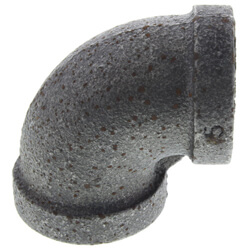
Black pipe is threaded steel pipe used primarily for fuel gas distribution, along with select fire protection and low-pressure steam applications, and this category covers the pipe, fittings, and nipples that make up a complete black iron piping run. The black designation refers to the pipe's uncoated steel finish, distinct from the zinc coating on galvanized pipe, and it's the material code officials expect for interior gas piping in most jurisdictions.
Fittings and nipples come in both domestic and imported lines, along with a schedule 80 option built for higher-pressure applications than standard schedule 40 black pipe. Selecting the right nipple length and fitting type keeps a gas or steam run assembled correctly without introducing a weak point at a threaded joint.

-new-main.jpg)
-new-main.jpg)


Subcategories
- Black Fittings (Domestic): Domestic black fittings are threaded steel elbows, tees, and couplings manufactured in the United States for fuel gas, steam, and select fire protection piping. Contractors specify domestic fittings on jobs where local code or a project specification calls for domestically sourced gas piping components. Thread quality and dimensional consistency across a domestic line simplify assembly on multi-fitting runs.
- Black Fittings (Imported): Imported black fittings serve the same threaded steel connections as their domestic counterparts, manufactured to the same pressure and thread standards at a different price point. Contractors use imported fittings on jobs where code doesn't specify domestic sourcing and cost is a factor in material selection. Checking local code before substituting imported for domestic fittings avoids a failed inspection.
- Black Nipples (Domestic): Domestic black nipples are short lengths of threaded steel pipe manufactured in the United States, used to bridge gaps between fittings or connect a fitting directly to a valve or appliance. Contractors keep an assortment of close and standard lengths on hand for gas piping runs where an exact offset is needed. Domestic sourcing matters on jobs where code specifies it for gas distribution components.
- Black Nipples (Imported): Imported black nipples provide the same threaded steel connections at different lengths for bridging gaps in a gas or steam piping run. Contractors use imported nipples on jobs where domestic sourcing isn't required by code, keeping material costs down on longer runs that need several nipples. Thread pattern and pressure rating match the domestic equivalent.
- Black Schedule 80 Nipples: Schedule 80 black nipples have a thicker wall than standard schedule 40 nipples, suited to higher-pressure gas systems or applications specifying the heavier-duty pipe. Contractors select schedule 80 when a system's operating pressure exceeds what standard schedule 40 components are rated to handle. The thicker wall reduces the nipple's inside diameter slightly compared with the same nominal size in schedule 40.
- Black Steel Pipe: Black steel pipe is the base material for fuel gas distribution, cut and threaded to length for a specific run or ordered pre-cut in standard lengths. Contractors use it for interior gas piping, along with select fire protection and low-pressure steam applications where code permits. Selecting the correct schedule and diameter for the system's gas load keeps the pipe sized appropriately for the appliances it serves.
Buying Guide
Local code requirements should guide the first decision in black pipe selection, since some jurisdictions specify domestic manufacturing for gas piping while others accept imported material. Checking the applicable code before ordering avoids a rejected inspection over sourcing rather than quality.
Schedule 40 black pipe and fittings cover most residential and light commercial gas distribution work, while schedule 80 nipples and fittings suit higher-pressure applications or situations calling for a thicker pipe wall. Matching schedule to the system's operating pressure keeps the installation within its rated limits.
Nipple length selection depends on the specific transition or offset needed at a given joint. Close nipples work for tight spaces between fittings, while longer nipples bridge larger gaps, so keeping a range of common lengths on hand covers most field situations without a special order.
Thread quality matters more on black pipe than it might seem, since a poorly cut or damaged thread can produce a gas leak that isn't obvious until the system is pressurized and tested. Inspecting threads on pipe and fittings before assembly catches damage before it becomes a call-back.
Sourcing black pipe and fittings from the same product line keeps thread tolerances consistent across a job, which reduces the chance of a loose or over-tight connection where domestic and imported components meet. Standardizing on one line for a given project simplifies both procurement and inspection.
Frequently Asked Questions
What's the difference between black pipe and galvanized pipe?
Black pipe has an uncoated steel finish and is the standard material for fuel gas piping, while galvanized pipe carries a zinc coating meant for water lines and isn't approved for gas distribution in most jurisdictions. The two aren't interchangeable despite similar thread patterns.
When is schedule 80 black pipe required instead of schedule 40?
Schedule 80 comes into play on higher-pressure gas systems or applications where a thicker pipe wall is specified for added strength. Most standard residential gas piping runs on schedule 40, so checking the specific system's pressure rating determines which schedule applies.
Does it matter whether black pipe fittings are domestic or imported?
Some local codes and utility requirements specify domestic manufacturing for gas piping components, so confirming the applicable code before ordering avoids a failed inspection over sourcing. Aside from code requirements, both lines are manufactured to the same thread and pressure standards.
How is nipple length chosen for a black pipe run?
Nipple length depends on the gap that needs bridging between two fittings or a fitting and a valve, with close nipples suited to tight spaces and longer nipples used for bigger offsets. Keeping a range of common lengths on the truck covers most field adjustments.
What's the most common cause of a leak at a threaded black pipe joint?
A damaged or poorly cut thread is the most frequent cause, since it prevents the joint compound from sealing the connection fully once the pipe is pressurized. Inspecting threads before assembly and applying pipe joint compound correctly addresses most leak points.
Resources
Subcategories
- Black Fittings (Domestic): Domestic black fittings are threaded steel elbows, tees, and couplings manufactured in the United States for fuel gas, steam, and select fire protection piping. Contractors specify domestic fittings on jobs where local code or a project specification calls for domestically sourced gas piping components. Thread quality and dimensional consistency across a domestic line simplify assembly on multi-fitting runs.
- Black Fittings (Imported): Imported black fittings serve the same threaded steel connections as their domestic counterparts, manufactured to the same pressure and thread standards at a different price point. Contractors use imported fittings on jobs where code doesn't specify domestic sourcing and cost is a factor in material selection. Checking local code before substituting imported for domestic fittings avoids a failed inspection.
- Black Nipples (Domestic): Domestic black nipples are short lengths of threaded steel pipe manufactured in the United States, used to bridge gaps between fittings or connect a fitting directly to a valve or appliance. Contractors keep an assortment of close and standard lengths on hand for gas piping runs where an exact offset is needed. Domestic sourcing matters on jobs where code specifies it for gas distribution components.
- Black Nipples (Imported): Imported black nipples provide the same threaded steel connections at different lengths for bridging gaps in a gas or steam piping run. Contractors use imported nipples on jobs where domestic sourcing isn't required by code, keeping material costs down on longer runs that need several nipples. Thread pattern and pressure rating match the domestic equivalent.
- Black Schedule 80 Nipples: Schedule 80 black nipples have a thicker wall than standard schedule 40 nipples, suited to higher-pressure gas systems or applications specifying the heavier-duty pipe. Contractors select schedule 80 when a system's operating pressure exceeds what standard schedule 40 components are rated to handle. The thicker wall reduces the nipple's inside diameter slightly compared with the same nominal size in schedule 40.
- Black Steel Pipe: Black steel pipe is the base material for fuel gas distribution, cut and threaded to length for a specific run or ordered pre-cut in standard lengths. Contractors use it for interior gas piping, along with select fire protection and low-pressure steam applications where code permits. Selecting the correct schedule and diameter for the system's gas load keeps the pipe sized appropriately for the appliances it serves.
Buying Guide
Local code requirements should guide the first decision in black pipe selection, since some jurisdictions specify domestic manufacturing for gas piping while others accept imported material. Checking the applicable code before ordering avoids a rejected inspection over sourcing rather than quality.
Schedule 40 black pipe and fittings cover most residential and light commercial gas distribution work, while schedule 80 nipples and fittings suit higher-pressure applications or situations calling for a thicker pipe wall. Matching schedule to the system's operating pressure keeps the installation within its rated limits.
Nipple length selection depends on the specific transition or offset needed at a given joint. Close nipples work for tight spaces between fittings, while longer nipples bridge larger gaps, so keeping a range of common lengths on hand covers most field situations without a special order.
Thread quality matters more on black pipe than it might seem, since a poorly cut or damaged thread can produce a gas leak that isn't obvious until the system is pressurized and tested. Inspecting threads on pipe and fittings before assembly catches damage before it becomes a call-back.
Sourcing black pipe and fittings from the same product line keeps thread tolerances consistent across a job, which reduces the chance of a loose or over-tight connection where domestic and imported components meet. Standardizing on one line for a given project simplifies both procurement and inspection.
Frequently Asked Questions
What's the difference between black pipe and galvanized pipe?
Black pipe has an uncoated steel finish and is the standard material for fuel gas piping, while galvanized pipe carries a zinc coating meant for water lines and isn't approved for gas distribution in most jurisdictions. The two aren't interchangeable despite similar thread patterns.
When is schedule 80 black pipe required instead of schedule 40?
Schedule 80 comes into play on higher-pressure gas systems or applications where a thicker pipe wall is specified for added strength. Most standard residential gas piping runs on schedule 40, so checking the specific system's pressure rating determines which schedule applies.
Does it matter whether black pipe fittings are domestic or imported?
Some local codes and utility requirements specify domestic manufacturing for gas piping components, so confirming the applicable code before ordering avoids a failed inspection over sourcing. Aside from code requirements, both lines are manufactured to the same thread and pressure standards.
How is nipple length chosen for a black pipe run?
Nipple length depends on the gap that needs bridging between two fittings or a fitting and a valve, with close nipples suited to tight spaces and longer nipples used for bigger offsets. Keeping a range of common lengths on the truck covers most field adjustments.
What's the most common cause of a leak at a threaded black pipe joint?
A damaged or poorly cut thread is the most frequent cause, since it prevents the joint compound from sealing the connection fully once the pipe is pressurized. Inspecting threads before assembly and applying pipe joint compound correctly addresses most leak points.