




Box Cover Units

 --%3E %3Csvg version='1.1' id='No-RB' xmlns='http://www.w3.org/2000/svg' xmlns:xlink='http://www.w3.org/1999/xlink' x='0px' y='0px' viewBox='0 0 100 100' enable-background='new 0 0 100 100' xml:space='preserve'%3E %3Cpath fill='%23CECECE' d='M79.44,0.95H20.56C9.78,0.95,0.95,9.78,0.95,20.56v58.87c0,10.79,8.82,19.61,19.61,19.61h58.87 c10.79,0,19.61-8.83,19.61-19.61V20.56C99.05,9.78,90.22,0.95,79.44,0.95z M65.38,58.24l9.38,29.58L49.69,69.78L24.5,87.82 l9.34-29.6L8.8,39.6l30.73-0.17c0,0,6.98-19.61,10-28.93c0.54,1.36,9.88,29.1,9.88,29.1H91.2L65.38,58.24z'/%3E %3C/svg%3E)
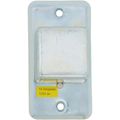

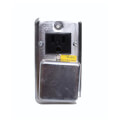

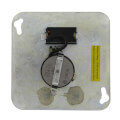
Box Cover Units are fuse holders that mount plug fuses inside a standard electrical box to protect small motors and branch circuits from overcurrent damage. Each unit accepts Edison-base plug fuses in TOO and TLO types or Type S plug fuses in SOO and SLO types when paired with an SAO adapter, so contractors can match the fuse style a job or local code calls for. HVAC techs install these units ahead of condenser units, furnace blowers, and other single-motor loads that don't warrant a full breaker panel change. Because the fuse sits behind a cover plate on the box, a tripped fuse is easy to spot and swap without pulling the whole assembly. Box Cover Units give service techs an economical way to add overcurrent protection to an existing circuit without rewiring the panel, keeping repair calls shorter and more straightforward.
Subcategories
- Edison-Base Box Cover Units: Edison-base Box Cover Units accept standard TOO and TLO plug fuses, the same base used in most older fuse panels and small-motor disconnects. HVAC techs use them to add overcurrent protection to a condenser or blower circuit without touching the main panel. Because the base isn't keyed, any Edison-base fuse fits, which makes stocking replacements simple for a service truck.
- Type S Box Cover Units: Type S Box Cover Units use SOO and SLO base fuses paired with an SAO adapter that keys the socket to a specific amperage. Electricians spec these units where code or an inspector requires tamper resistance, since the adapter blocks a higher-amperage fuse from being screwed into a lower-rated circuit. Once the adapter is installed, it stays in the socket, so downstream fuse swaps are locked to the correct rating.
- Switch/Fuse Combo Units: Switch/Fuse Combo units add a toggle switch alongside the fuse holder in the same box cover assembly. Techs use this configuration where a local disconnect is needed at the same point as overcurrent protection, such as ahead of a small compressor or pump motor. The combined footprint saves a knockout and a separate device compared to installing a switch and fuse holder in two boxes.
- Receptacle/Fuse Combo Units: Receptacle/Fuse Combo units, like the 15 amp ESRU model, pair a fused receptacle with the box cover so a plug-in appliance gets overcurrent protection at the outlet itself. Shop equipment and accessory motors that draw power through a cord rather than hardwired leads often run on this type of dedicated, fused circuit. The fuse sits behind the same cover as the receptacle, keeping service access in one spot.
Buying Guide
Start with the fuse base already in place or specified by the panel schedule. Edison-base units accept standard TOO and TLO plug fuses and work as a drop-in replacement on older residential and light commercial circuits. Jobs that call for tamper resistance, often driven by an inspector or insurance requirement, need a Type S base with an SOO or SLO fuse and the matching SAO adapter, which locks the socket to a set amperage so a larger fuse can't be substituted later.
Next, decide whether the circuit needs anything beyond overcurrent protection. A plain fuse holder covers most single-motor branch circuits, but a job that also needs a local disconnect calls for a switch/fuse combo assembly instead of adding a separate switch box elsewhere in the circuit. Circuits feeding plug-in equipment rather than hardwired loads often work better with a receptacle/fuse combo, since the fuse and outlet share one cover and one knockout.
Box Cover Units mount in a standard electrical box, so confirm the box depth and knockout size match the unit before ordering. Match the fuse amperage to the motor or circuit's nameplate rating rather than the wire size alone, since an oversized fuse defeats the protection the unit is meant to provide. Keep a small stock of both Edison and Type S adapters on the truck, since older buildings mix both styles across a single panel.
Frequently Asked Questions
What's the difference between an Edison-base and a Type S box cover unit?
An Edison-base box cover unit accepts standard TOO and TLO plug fuses that fit any socket of the same base size. A Type S unit uses an SOO or SLO fuse with an SAO adapter that locks the socket to one amperage, which stops a larger fuse from being substituted later. Inspectors often require Type S units on circuits where tamper resistance matters.
What are box cover units used for?
Box cover units hold a plug fuse inside a standard electrical box to protect a small motor or branch circuit from overcurrent damage. HVAC techs commonly install them ahead of condensers, blowers, and similar single-motor loads. The cover plate keeps the fuse accessible for quick inspection and replacement.
Can a box cover unit include a switch or receptacle?
Switch/fuse combo units add a toggle switch alongside the fuse holder for jobs that need a local disconnect at the same point as overcurrent protection. Receptacle/fuse combo units pair a fused outlet with the cover for circuits feeding plug-in equipment. Both configurations share one knockout instead of requiring two separate boxes.
How does an SAO adapter work with a Type S fuse?
An SAO adapter screws into the box cover unit's socket first and keys it to accept only a matching Type S fuse rated at a set amperage. Once installed, the adapter stays in place, so a fuse of a different amperage physically won't thread into the socket. Locking the socket this way keeps the circuit's overcurrent protection fixed at the rating specified for that branch.
What amperage fuse should go in a box cover unit?
Fuse amperage should match the nameplate rating of the motor or circuit being protected, not just the wire gauge. An oversized fuse lets a fault current run longer before it opens, which defeats the purpose of the overcurrent protection. Checking the equipment nameplate before selecting a fuse avoids this mistake.
