



Cadet Wall Heaters
Cadet wall heaters mount directly into a wall cavity to provide electric zone heating without ductwork, covering series built for bathrooms, general living spaces, and lower wall register-style installations. The lineup ranges from the compact Com-Pak series to the larger Apex72 units.
Choosing a series usually comes down to the room's size and whether moisture resistance matters, since the RBF series is built specifically for bathroom installations. Wall cavity depth and electrical circuit capacity both factor into which Cadet series fits a given retrofit or new construction opening.

Subcategories
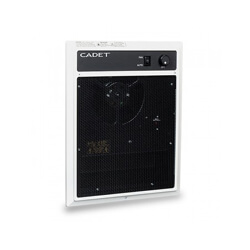
- Apex72 Series Wall Heaters: The Apex72 series mounts into a standard wall cavity and directs heat outward through a front grille, sized for bedrooms, offices, and other moderate-size living spaces. Built-in safety features common to the series include a high-limit switch that shuts the unit off if airflow is blocked or the heater overheats. Installers wire the Apex72 into standard household electrical service, with thermostat options available as a built-in control or a separate wall-mounted unit.
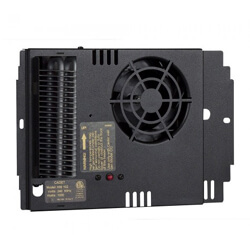
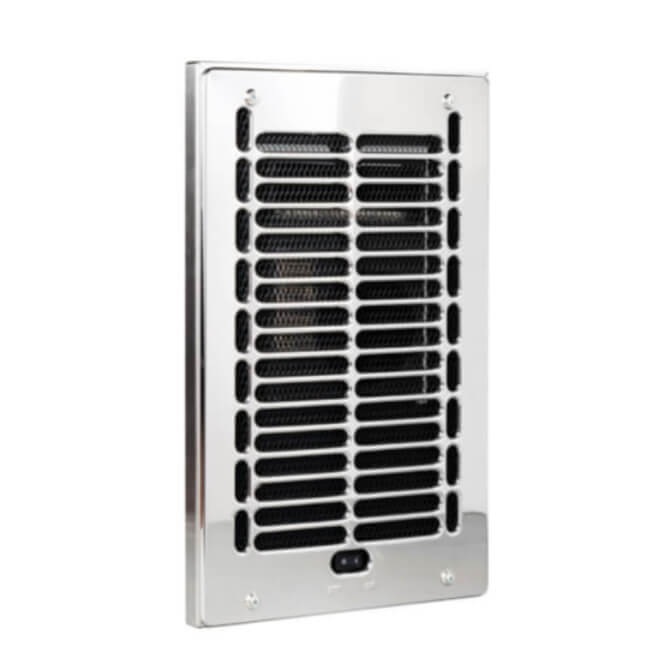
- Cadet RBF Series Electric Bathroom Wall Heaters: The RBF series is built specifically for bathroom installation, with moisture-resistant construction that holds up near showers and tubs where humidity runs higher than in a typical living space. A built-in fan pushes heated air into the room quickly rather than relying on passive convection alone, which matters in a small bathroom where fast warmup is a priority. Many RBF units pair with a timer or built-in thermostat suited to short, on-demand heating cycles.
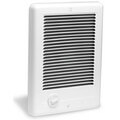
- Com-Pak Series Wall Heaters: The Com-Pak series is a compact wall heater built for smaller rooms or spaces with limited wall cavity depth, using a low-profile housing that fits into a standard stud bay. Airflow moves through a front grille via a built-in fan, and several trim and grille finish options let the unit match different interior styles. The series is a common fit for additions, converted spaces, and rooms where a full-size heater doesn't fit the available wall space.
- NLW Series Electric Wall Heaters: The NLW series covers general-purpose electric wall heaters sized for bedrooms, living rooms, and other everyday living spaces where supplemental or standalone heat is needed. Units in this series typically pair with a built-in or wall-mounted thermostat for temperature control, and wattage options across the series let an installer match heater output to room size. Standard household wiring supports most NLW models without special electrical service.
- Register Series Wall Heaters: Register series heaters mount lower on the wall, similar in placement to a traditional floor or baseboard register, rather than at standard wall-heater height. The lower mounting position suits rooms where a higher-mounted grille would interfere with furniture, windows, or other wall features. Like other Cadet series, register-style heaters wire into standard household electrical service and pair with standard thermostat options.
Buying Guide
Matching heater output to room size is the starting point for choosing a Cadet wall heater. A heater sized too small for the room struggles to maintain temperature in cold weather, while an oversized unit cycles on and off more than necessary, so checking the manufacturer's room-size guidance against the actual square footage avoids either problem.
Installation location affects which series fits the job. A bathroom installation calls for a moisture-resistant model like the RBF series, while a bedroom or living space can use a general-purpose series without that added moisture protection. Checking the room's function against each series' intended use narrows the choice quickly.
Wall cavity depth varies by home and by wall type, and not every wall accommodates every heater series. The Com-Pak series is built for shallower cavities where a standard-depth heater won't fit, which is worth checking before ordering a heater for an older home or a room with non-standard framing.
Electrical requirements should be confirmed against the home's existing service before installation. Most Cadet wall heaters run on standard household circuits, but higher-wattage models may call for a dedicated circuit, which is worth checking with a licensed electrician if the existing panel is already near capacity.
Thermostat and control options range from a simple built-in dial to a separate wall-mounted thermostat that controls multiple heaters from one location. A household adding several wall heaters across different rooms may prefer a centralized thermostat setup, while a single-room installation often works fine with the heater's built-in control.
Frequently Asked Questions
Can a Cadet wall heater be installed in a bathroom?
Yes, but the installation should use a model built for bathroom use, like the RBF series, which includes moisture-resistant construction suited to the humidity levels found near showers and tubs. General-purpose series aren't built with the same moisture protection and aren't recommended for direct bathroom installation.
Do Cadet wall heaters need a dedicated electrical circuit?
It depends on the specific model's wattage and the home's existing electrical service. Lower-wattage units often run on a standard shared household circuit, while higher-wattage models may require a dedicated circuit, which a licensed electrician can confirm based on the home's panel capacity.
What is the difference between the Com-Pak series and other Cadet wall heater series?
The Com-Pak series uses a compact, low-profile design built for shallower wall cavities or smaller rooms, while other series like the NLW or Apex72 are sized for standard wall cavity depth and general living spaces. Choosing between them depends mainly on the available wall space and room size.
How is a Register series heater different from a standard wall heater?
A Register series heater mounts lower on the wall, similar in placement to a floor or baseboard register, rather than at the standard height used by most wall heater series. The lower placement suits rooms where a higher-mounted unit would interfere with windows, furniture, or other wall features.
Can multiple Cadet wall heaters be controlled from one thermostat?
Some Cadet wall heater models support a separate wall-mounted thermostat that can control more than one heater from a single location, rather than relying on each unit's built-in control. Checking the specific model's compatibility with a shared thermostat setup confirms whether this setup is available before installation.
Resources
Subcategories
- Apex72 Series Wall Heaters: The Apex72 series mounts into a standard wall cavity and directs heat outward through a front grille, sized for bedrooms, offices, and other moderate-size living spaces. Built-in safety features common to the series include a high-limit switch that shuts the unit off if airflow is blocked or the heater overheats. Installers wire the Apex72 into standard household electrical service, with thermostat options available as a built-in control or a separate wall-mounted unit.
- Cadet RBF Series Electric Bathroom Wall Heaters: The RBF series is built specifically for bathroom installation, with moisture-resistant construction that holds up near showers and tubs where humidity runs higher than in a typical living space. A built-in fan pushes heated air into the room quickly rather than relying on passive convection alone, which matters in a small bathroom where fast warmup is a priority. Many RBF units pair with a timer or built-in thermostat suited to short, on-demand heating cycles.
- Com-Pak Series Wall Heaters: The Com-Pak series is a compact wall heater built for smaller rooms or spaces with limited wall cavity depth, using a low-profile housing that fits into a standard stud bay. Airflow moves through a front grille via a built-in fan, and several trim and grille finish options let the unit match different interior styles. The series is a common fit for additions, converted spaces, and rooms where a full-size heater doesn't fit the available wall space.
- NLW Series Electric Wall Heaters: The NLW series covers general-purpose electric wall heaters sized for bedrooms, living rooms, and other everyday living spaces where supplemental or standalone heat is needed. Units in this series typically pair with a built-in or wall-mounted thermostat for temperature control, and wattage options across the series let an installer match heater output to room size. Standard household wiring supports most NLW models without special electrical service.
- Register Series Wall Heaters: Register series heaters mount lower on the wall, similar in placement to a traditional floor or baseboard register, rather than at standard wall-heater height. The lower mounting position suits rooms where a higher-mounted grille would interfere with furniture, windows, or other wall features. Like other Cadet series, register-style heaters wire into standard household electrical service and pair with standard thermostat options.
Buying Guide
Matching heater output to room size is the starting point for choosing a Cadet wall heater. A heater sized too small for the room struggles to maintain temperature in cold weather, while an oversized unit cycles on and off more than necessary, so checking the manufacturer's room-size guidance against the actual square footage avoids either problem.
Installation location affects which series fits the job. A bathroom installation calls for a moisture-resistant model like the RBF series, while a bedroom or living space can use a general-purpose series without that added moisture protection. Checking the room's function against each series' intended use narrows the choice quickly.
Wall cavity depth varies by home and by wall type, and not every wall accommodates every heater series. The Com-Pak series is built for shallower cavities where a standard-depth heater won't fit, which is worth checking before ordering a heater for an older home or a room with non-standard framing.
Electrical requirements should be confirmed against the home's existing service before installation. Most Cadet wall heaters run on standard household circuits, but higher-wattage models may call for a dedicated circuit, which is worth checking with a licensed electrician if the existing panel is already near capacity.
Thermostat and control options range from a simple built-in dial to a separate wall-mounted thermostat that controls multiple heaters from one location. A household adding several wall heaters across different rooms may prefer a centralized thermostat setup, while a single-room installation often works fine with the heater's built-in control.
Frequently Asked Questions
Can a Cadet wall heater be installed in a bathroom?
Yes, but the installation should use a model built for bathroom use, like the RBF series, which includes moisture-resistant construction suited to the humidity levels found near showers and tubs. General-purpose series aren't built with the same moisture protection and aren't recommended for direct bathroom installation.
Do Cadet wall heaters need a dedicated electrical circuit?
It depends on the specific model's wattage and the home's existing electrical service. Lower-wattage units often run on a standard shared household circuit, while higher-wattage models may require a dedicated circuit, which a licensed electrician can confirm based on the home's panel capacity.
What is the difference between the Com-Pak series and other Cadet wall heater series?
The Com-Pak series uses a compact, low-profile design built for shallower wall cavities or smaller rooms, while other series like the NLW or Apex72 are sized for standard wall cavity depth and general living spaces. Choosing between them depends mainly on the available wall space and room size.
How is a Register series heater different from a standard wall heater?
A Register series heater mounts lower on the wall, similar in placement to a floor or baseboard register, rather than at the standard height used by most wall heater series. The lower placement suits rooms where a higher-mounted unit would interfere with windows, furniture, or other wall features.
Can multiple Cadet wall heaters be controlled from one thermostat?
Some Cadet wall heater models support a separate wall-mounted thermostat that can control more than one heater from a single location, rather than relying on each unit's built-in control. Checking the specific model's compatibility with a shared thermostat setup confirms whether this setup is available before installation.