




Carbon Steel Socket Weld Outlets (3000 lb)

 --%3E %3Csvg version='1.1' id='No-RB' xmlns='http://www.w3.org/2000/svg' xmlns:xlink='http://www.w3.org/1999/xlink' x='0px' y='0px' viewBox='0 0 100 100' enable-background='new 0 0 100 100' xml:space='preserve'%3E %3Cpath fill='%23CECECE' d='M79.44,0.95H20.56C9.78,0.95,0.95,9.78,0.95,20.56v58.87c0,10.79,8.82,19.61,19.61,19.61h58.87 c10.79,0,19.61-8.83,19.61-19.61V20.56C99.05,9.78,90.22,0.95,79.44,0.95z M65.38,58.24l9.38,29.58L49.69,69.78L24.5,87.82 l9.34-29.6L8.8,39.6l30.73-0.17c0,0,6.98-19.61,10-28.93c0.54,1.36,9.88,29.1,9.88,29.1H91.2L65.38,58.24z'/%3E %3C/svg%3E)
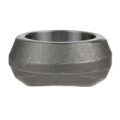
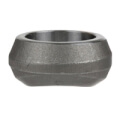
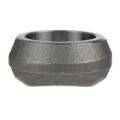
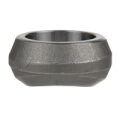
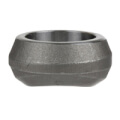
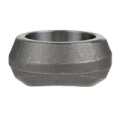
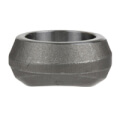

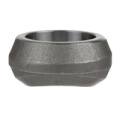
Carbon Steel Socket Weld Outlets (3000 lb) are forged A105 carbon steel fittings, sometimes called sockolets, that let a pipefitter add a branch connection to an existing run of pipe without cutting in a full tee. The fitting welds onto the outside of the main pipe and accepts a smaller branch pipe into its socket end, which gets welded in turn, creating a strong branch takeoff with less pipe modification than a tee-based connection. The 3000 lb designation refers to the fitting's pressure class rating rather than a weight, indicating the pressure and temperature conditions the fitting is designed to handle in a piping system. These outlets are sized by main run diameter and branch outlet diameter, covering combinations from small branch takeoffs on modest pipe runs up through larger diameter mains. Mechanical contractors and industrial piping crews spec these fittings on ASME/ANSI-code piping systems where a compact, strong branch connection is needed and running a full tee isn't practical or necessary.
Subcategories
- Small Branch Outlets: Small branch outlets cover the lower end of the size range, typically used where a smaller diameter branch, such as a gauge connection or instrument tap, needs to come off a larger main run. These are common in process piping where multiple small takeoffs are needed along a single main line for monitoring or control connections. Sizing is expressed as main pipe diameter by branch diameter, so ordering the correct combination matters for a proper weld fit-up.
- Mid-Size Branch Outlets: Mid-size branch outlets handle branch connections that carry meaningful flow themselves, such as a secondary line splitting off a main distribution run. These sizes are common in mechanical rooms and industrial piping where a branch feeds a piece of equipment rather than just an instrument or gauge. Confirming both the main and branch pipe schedule against the fitting's rated wall thickness keeps the weld joint within code.
- Large Diameter Branch Outlets: Large diameter branch outlets are sized for bigger main runs, often found in industrial and commercial mechanical systems where the primary pipe itself is large enough that even a branch takeoff needs to be a substantial size. These fittings still weld directly onto the main run's exterior, avoiding the extra fabrication a full tee would require on a large-diameter line. Crews handling large diameter installations typically coordinate fit-up and welding sequence carefully given the fitting's size and weight.
Buying Guide
Specifying a carbon steel socket weld outlet starts with confirming both the main pipe's outside diameter and the branch pipe's diameter, since these fittings are ordered by a main-by-branch size combination rather than a single dimension. Getting this combination wrong is one of the more common ordering mistakes, since a fitting sized for the wrong main pipe won't seat correctly for a proper weld, even if the branch side happens to match. Pressure class is the next consideration: the 3000 lb rating on this line indicates the pressure and temperature service the fitting is designed for, so confirming the piping system's actual operating conditions against that rating avoids specifying an undersized fitting for a higher-pressure application. Material grade also matters on a code piping job, since A105 forged carbon steel is a common and well-documented material for ASME/ANSI piping systems, and swapping to a different grade without checking project specifications can create a documentation mismatch during inspection. Contractors welding these fittings should also confirm the branch pipe's schedule matches what the socket was designed to accept, since a socket sized for one schedule of pipe may not give proper weld penetration with a different wall thickness. Ordering the full run of outlets needed for a project at once, rather than piecemeal, also helps keep pressure class and material certification consistent across a single job.
Frequently Asked Questions
What does the 3000 lb rating mean on these fittings?
It refers to the fitting's pressure class rating, which reflects the pressure and temperature conditions it's designed to handle, not a physical weight of the part itself.
How are socket weld outlets sized for ordering?
They're sized by a combination of the main pipe's diameter and the branch pipe's diameter, so both dimensions are needed to order the correct fitting.
Why use a socket weld outlet instead of a standard tee?
A socket weld outlet lets a branch connection be added to an existing pipe run without cutting in a full tee, which can save fabrication time when a branch takeoff is needed on an already-installed main line.
Is A105 carbon steel suitable for all piping systems?
A105 forged carbon steel is a common material for ASME/ANSI-code piping systems, but project specifications should be checked to confirm it matches the required material grade for a specific job.
Does the branch pipe's wall thickness matter when selecting a fitting?
Yes. The socket is designed to accept a specific pipe schedule, so mismatching wall thickness can affect weld penetration and joint integrity.
