




Carbon Steel Threaded Outlets (3000 lb)

 --%3E %3Csvg version='1.1' id='No-RB' xmlns='http://www.w3.org/2000/svg' xmlns:xlink='http://www.w3.org/1999/xlink' x='0px' y='0px' viewBox='0 0 100 100' enable-background='new 0 0 100 100' xml:space='preserve'%3E %3Cpath fill='%23CECECE' d='M79.44,0.95H20.56C9.78,0.95,0.95,9.78,0.95,20.56v58.87c0,10.79,8.82,19.61,19.61,19.61h58.87 c10.79,0,19.61-8.83,19.61-19.61V20.56C99.05,9.78,90.22,0.95,79.44,0.95z M65.38,58.24l9.38,29.58L49.69,69.78L24.5,87.82 l9.34-29.6L8.8,39.6l30.73-0.17c0,0,6.98-19.61,10-28.93c0.54,1.36,9.88,29.1,9.88,29.1H91.2L65.38,58.24z'/%3E %3C/svg%3E)

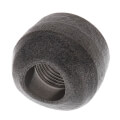
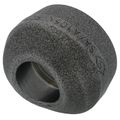
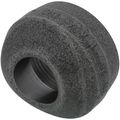
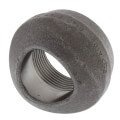
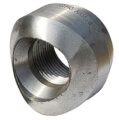
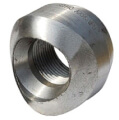
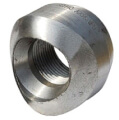
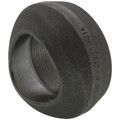
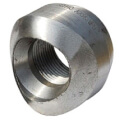

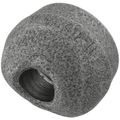
Carbon steel threaded outlets rated for 3000 lb service give pipe fitters a forged branch connection for tapping into a run without cutting in a tee. The 3000 lb class refers to the fitting's pressure and temperature rating rather than a literal weight limit, and it sits at the lower end of the forged threaded fitting range compared to 6000 lb and higher-rated outlets used in higher-pressure piping. Forged construction gives these outlets more strength at the branch connection than a welded or drilled-and-tapped alternative, which matters on steam, compressed air, and process piping where a branch failure creates both a safety hazard and a shutdown. Threaded outlets install with standard pipe thread tools, without the welding equipment and certified welder that a socket weld or butt weld branch connection requires. For contractors working on a schedule where hot work permits or welding inspections would slow a job down, a threaded outlet fitting keeps the branch connection simple.
Subcategories
- Threadolets: Threadolets are the most common style in this class, providing a single female threaded outlet fused onto the main run. They are sized to match standard NPT thread sizes and are a common choice for adding a branch connection to an existing steel pipe run.
- Sockolets: Sockolets provide a socket weld outlet rather than a threaded connection, used when the branch piping will be welded rather than threaded into place. They see use in higher-vibration or higher-pressure applications where a welded joint is preferred over a threaded one.
- Weldolets: Weldolets are designed for a full weld branch connection rather than a threaded or socket weld outlet, typically used on larger branch sizes or higher-pressure systems. They require a certified welder to install correctly, unlike the threaded styles in this category.
Buying Guide
Selecting Carbon Steel Threaded Outlets (3000 lb) starts with confirming the pressure and temperature rating actually required for the piping system, since the 3000 lb class sits below 6000 lb and higher-rated forged outlets used on higher-pressure process lines. Specifying a higher-rated fitting than the system needs adds unnecessary cost, while under-specifying creates a safety risk at the branch connection.
Thread size and branch size both need to match the existing run and the equipment or instrument being connected, and contractors should confirm NPT thread compatibility before ordering, since a mismatched thread will not seal properly even with additional sealant or tape. Material grade matters too. Forged carbon steel outlets are typically specified to a standard grade for general service piping, and a contractor working on a system with special material requirements, like a chemical or high-temperature process line, should confirm the outlet's material certification against the piping specification before installing it.
Choosing between a threadolet, sockolet, or weldolet style depends mostly on whether the branch will be threaded or welded into place. A threaded outlet keeps the connection simple and avoids the need for a certified welder on site, while socket weld and full weld styles suit systems where vibration or higher pressure make a welded joint the safer choice.
Frequently Asked Questions
What does the 3000 lb rating mean on a threaded outlet fitting?
The 3000 lb designation refers to the fitting's pressure and temperature class rather than a literal weight rating. It sits below 6000 lb and higher classes used on higher-pressure forged fittings.
What is the difference between a threadolet and a weldolet?
A threadolet provides a female threaded connection for the branch pipe, while a weldolet is designed for a full weld connection. Threadolets install with standard pipe tools, while weldolets require a certified welder.
Do carbon steel threaded outlets require welding to install?
No, threaded outlet styles like threadolets connect with standard pipe threading tools rather than welding equipment. Sockolets and weldolets in the same product family do require welding.
When would a sockolet be chosen over a threadolet?
Sockolets are typically chosen when the branch connection needs a welded joint rather than a threaded one, often in higher-vibration or higher-pressure applications. A threaded connection is generally simpler to install where welding is not required.
What should be confirmed before ordering a threaded outlet fitting?
Contractors should confirm the required pressure and temperature class, the thread size and branch size needed, and the material grade against the piping specification. Matching these details before ordering helps avoid a mismatched fitting on the job.
