




Couplings
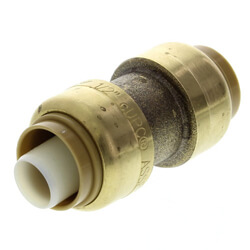
Couplings join two lengths of pipe of the same diameter and material, covering black steel, galvanized steel, and copper piping along with press-fit options that skip soldering or threading. MegaPress couplings extend that press-fit convenience to carbon and stainless steel pipe.
Selecting the right coupling style depends on the pipe material and whether a torch, press tool, or threading equipment is available on the job. Press-fit couplings have become increasingly common on jobs where hot work restrictions limit soldering or brazing near occupied spaces.





Subcategories
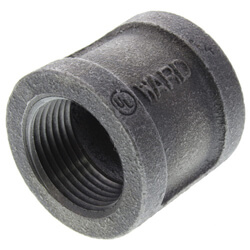
- Black Couplings: Black couplings are threaded malleable iron fittings used to join black steel pipe on gas lines, compressed air, and some fire protection systems. The black finish comes from the manufacturing process rather than a coating, and these couplings rely on pipe dope or thread sealant rated for the application to make a tight joint.
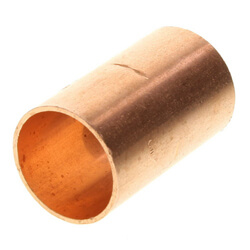
- Copper Couplings: Copper couplings join two lengths of copper tube with a soldered joint and are the traditional method for potable water, hydronic, and refrigeration lines. Wrot copper couplings, such as those made by NIBCO, meet ASME B16.22 and use commercially pure copper that solders cleanly to type L and type M tube.
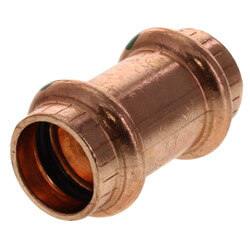
- Copper Press Couplings: Copper press couplings use a press tool instead of a torch to join copper or stainless tube, sealing the joint with an internal O-ring rather than solder. Viega's ProPress system presses copper and stainless pipe from 1/2 inch through 4 inches and is rated for 200 psi at temperatures up to 250 degrees Fahrenheit, making it a common choice on jobs where hot work is restricted.
- Galvanized Couplings: Galvanized couplings are threaded steel fittings with a zinc coating that resists corrosion better than black steel, making them a standard choice for exposed water piping and some drain applications. The zinc coating means galvanized couplings should not be joined directly to black steel fittings without a dielectric fitting in between, since mixing the two metals can accelerate corrosion at the joint.
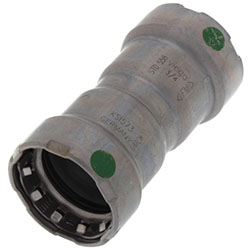
- MegaPress Couplings: MegaPress couplings from Viega join carbon steel and stainless steel pipe with a press tool instead of threading or welding, working with off-the-shelf Schedule 5 through Schedule 40 pipe. The system's Smart Connect feature leaves an unpressed fitting visibly leaking during a pressure test, which flags a missed connection before the system gets closed up.
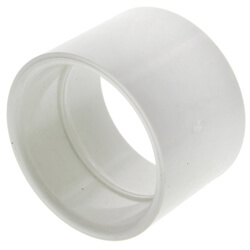
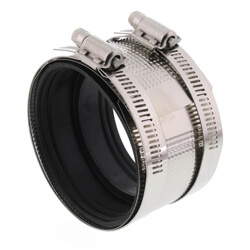
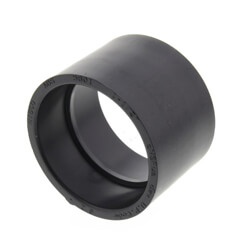
- Other Couplings: Specialty couplings in this group cover situations outside the standard black, galvanized, copper, and press categories, including repair couplings, dielectric couplings, and transition couplings that join two different pipe materials or sizes. Plumbers reach for this group when a repair or a material transition, such as tying copper into steel, does not fit neatly into one of the other coupling types.
Buying Guide
Pipe material already in the ground or wall is the starting point for coupling selection, since a coupling has to match the pipe it is joining. Mixing coupling types with incompatible pipe, like using a copper press coupling on threaded steel pipe, simply will not work regardless of size match.
Whether open flame is allowed on a job site changes the calculus for copper and steel connections. Soldered copper couplings need a torch, so press couplings, including ProPress for copper and MegaPress for steel, are the practical choice in occupied buildings, attics, or tight mechanical spaces where a hot work permit is not practical.
Pressure and temperature ratings deserve a check before assuming any coupling works for a given system. Press systems like ProPress and MegaPress carry specific psi and temperature ratings that need to match or exceed the system's operating conditions, particularly on hydronic, compressed air, and gas applications.
Corrosion risk drives the choice between black and galvanized steel couplings. Exposed piping subject to moisture calls for galvanized fittings, while gas and fire protection lines that stay dry typically use black steel, and mixing the two without a dielectric fitting between them can accelerate corrosion at the joint.
Tool ownership already on the truck often decides between a press coupling and a traditional threaded or soldered one. A contractor who already owns a press tool for one pipe type frequently finds it worth adding jaws or actuators to standardize on press fittings across copper, steel, and stainless jobs rather than carrying torches, dies, and pipe dope for multiple joining methods.
Frequently Asked Questions
Can a black coupling be used on galvanized pipe?
Threading a black coupling onto galvanized pipe works mechanically, but the dissimilar metals can accelerate corrosion at the joint over time, so most plumbers install a dielectric fitting or stick with galvanized-to-galvanized connections on water piping.
What is the difference between MegaPress and ProPress couplings?
MegaPress couplings join carbon and stainless steel pipe, while ProPress couplings join copper and stainless tube, and both use a press tool to form the connection without a torch, though the two systems use different fittings and are not interchangeable.
Do press couplings need a special tool?
Press couplings require a press tool with jaws or a ring sized to the specific fitting brand and pipe size, and a contractor needs to confirm the jaw or actuator is compatible with the coupling before starting a job, since tooling is not universal across every press system.
How can a technician tell if a press fitting was not fully pressed?
Systems like Viega's MegaPress and ProPress include a visual indicator, often called Smart Connect, that leaves an unpressed fitting leaking during the pressure test, which lets a tech spot a missed connection before the system gets closed up behind a wall or ceiling.
When should a dielectric fitting be used with a coupling?
A dielectric fitting belongs anywhere two dissimilar metals, such as copper and galvanized steel, connect in the same water line, since direct contact between the two metals can set up galvanic corrosion that shortens the life of the joint.
Resources
Subcategories
- Black Couplings: Black couplings are threaded malleable iron fittings used to join black steel pipe on gas lines, compressed air, and some fire protection systems. The black finish comes from the manufacturing process rather than a coating, and these couplings rely on pipe dope or thread sealant rated for the application to make a tight joint.
- Copper Couplings: Copper couplings join two lengths of copper tube with a soldered joint and are the traditional method for potable water, hydronic, and refrigeration lines. Wrot copper couplings, such as those made by NIBCO, meet ASME B16.22 and use commercially pure copper that solders cleanly to type L and type M tube.
- Copper Press Couplings: Copper press couplings use a press tool instead of a torch to join copper or stainless tube, sealing the joint with an internal O-ring rather than solder. Viega's ProPress system presses copper and stainless pipe from 1/2 inch through 4 inches and is rated for 200 psi at temperatures up to 250 degrees Fahrenheit, making it a common choice on jobs where hot work is restricted.
- Galvanized Couplings: Galvanized couplings are threaded steel fittings with a zinc coating that resists corrosion better than black steel, making them a standard choice for exposed water piping and some drain applications. The zinc coating means galvanized couplings should not be joined directly to black steel fittings without a dielectric fitting in between, since mixing the two metals can accelerate corrosion at the joint.
- MegaPress Couplings: MegaPress couplings from Viega join carbon steel and stainless steel pipe with a press tool instead of threading or welding, working with off-the-shelf Schedule 5 through Schedule 40 pipe. The system's Smart Connect feature leaves an unpressed fitting visibly leaking during a pressure test, which flags a missed connection before the system gets closed up.
- Other Couplings: Specialty couplings in this group cover situations outside the standard black, galvanized, copper, and press categories, including repair couplings, dielectric couplings, and transition couplings that join two different pipe materials or sizes. Plumbers reach for this group when a repair or a material transition, such as tying copper into steel, does not fit neatly into one of the other coupling types.
Buying Guide
Pipe material already in the ground or wall is the starting point for coupling selection, since a coupling has to match the pipe it is joining. Mixing coupling types with incompatible pipe, like using a copper press coupling on threaded steel pipe, simply will not work regardless of size match.
Whether open flame is allowed on a job site changes the calculus for copper and steel connections. Soldered copper couplings need a torch, so press couplings, including ProPress for copper and MegaPress for steel, are the practical choice in occupied buildings, attics, or tight mechanical spaces where a hot work permit is not practical.
Pressure and temperature ratings deserve a check before assuming any coupling works for a given system. Press systems like ProPress and MegaPress carry specific psi and temperature ratings that need to match or exceed the system's operating conditions, particularly on hydronic, compressed air, and gas applications.
Corrosion risk drives the choice between black and galvanized steel couplings. Exposed piping subject to moisture calls for galvanized fittings, while gas and fire protection lines that stay dry typically use black steel, and mixing the two without a dielectric fitting between them can accelerate corrosion at the joint.
Tool ownership already on the truck often decides between a press coupling and a traditional threaded or soldered one. A contractor who already owns a press tool for one pipe type frequently finds it worth adding jaws or actuators to standardize on press fittings across copper, steel, and stainless jobs rather than carrying torches, dies, and pipe dope for multiple joining methods.
Frequently Asked Questions
Can a black coupling be used on galvanized pipe?
Threading a black coupling onto galvanized pipe works mechanically, but the dissimilar metals can accelerate corrosion at the joint over time, so most plumbers install a dielectric fitting or stick with galvanized-to-galvanized connections on water piping.
What is the difference between MegaPress and ProPress couplings?
MegaPress couplings join carbon and stainless steel pipe, while ProPress couplings join copper and stainless tube, and both use a press tool to form the connection without a torch, though the two systems use different fittings and are not interchangeable.
Do press couplings need a special tool?
Press couplings require a press tool with jaws or a ring sized to the specific fitting brand and pipe size, and a contractor needs to confirm the jaw or actuator is compatible with the coupling before starting a job, since tooling is not universal across every press system.
How can a technician tell if a press fitting was not fully pressed?
Systems like Viega's MegaPress and ProPress include a visual indicator, often called Smart Connect, that leaves an unpressed fitting leaking during the pressure test, which lets a tech spot a missed connection before the system gets closed up behind a wall or ceiling.
When should a dielectric fitting be used with a coupling?
A dielectric fitting belongs anywhere two dissimilar metals, such as copper and galvanized steel, connect in the same water line, since direct contact between the two metals can set up galvanic corrosion that shortens the life of the joint.