




Electric Water Heaters
Electric water heaters cover tank, tankless, and heat pump models that heat water using electric resistance elements or, in the case of heat pump units, ambient heat pulled from the surrounding air. Tank models store a set volume of heated water, while tankless units heat water as it flows through.
Choosing between tank, tankless, and heat pump models depends on hot water demand, available electrical capacity, and installation space, since heat pump units need clearance for airflow around the unit. Tankless electric models often need a higher-amperage circuit than a comparable tank unit to deliver the same output.
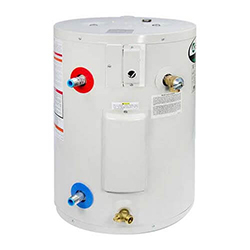
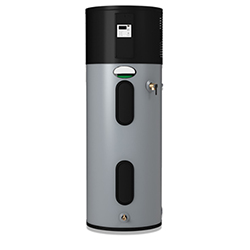
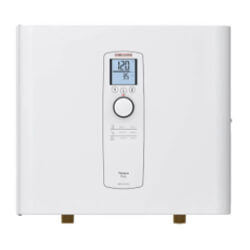

Subcategories
- Electric Heat Pump Water Heaters: Electric heat pump water heaters pull ambient heat from the surrounding air to warm the tank, using significantly less electricity than a standard resistance unit under typical conditions. They need adequate air volume around the unit and perform best in a conditioned or semi-conditioned space.
- Electric Tank Water Heaters: Electric tank water heaters store a set volume of heated water using one or two resistance elements, ready to draw on demand. They remain the most common replacement choice where a gas line is not available and installation simplicity matters.
- Electric Tankless Water Heaters: Electric tankless water heaters heat water as it passes through the unit rather than storing it, saving floor or closet space and cutting standby heat loss. They require sufficient electrical service, since instant heating draws a high amperage load compared with a tank unit.
- Electric Tankless Water Heaters: Electric tankless water heaters in a second listing style cover additional model lines and capacity points within the same on-demand category, letting a contractor match output to fixture count and simultaneous use.
- Heat Pump Water Heaters: Heat pump water heaters, listed separately from the standard electric tank line, cover higher-efficiency models built specifically around heat pump technology rather than resistance elements, typically carrying a different warranty and installation footprint than a standard electric tank unit.
Buying Guide
Confirm available electrical capacity before selecting a unit. Tankless and heat pump models often draw more amperage or require a dedicated circuit compared with a standard tank unit, and an older panel may need an upgrade to support the new load.
Size the unit to household or building demand. Tank capacity and recovery rate, or gallons-per-minute rating on a tankless unit, both need to match peak simultaneous use, such as multiple showers or a shower running alongside a dishwasher cycle.
Check the installation space for a heat pump model specifically. These units need enough surrounding air volume to draw heat efficiently, and installing one in a small, poorly ventilated closet can reduce performance below what the unit is rated for.
Review the warranty terms across Electric Water Heaters lines before quoting a job, since tank, tankless, and heat pump models frequently carry different coverage periods on the tank itself versus the electrical components.
Ask about existing water quality and hardness. Mineral buildup on heating elements is one of the most common service issues on electric tank units, and a water softener or more frequent flushing schedule can extend element life in hard water areas.
Frequently Asked Questions
How much more efficient is a heat pump water heater than a standard electric tank unit?
Heat pump water heaters typically use meaningfully less electricity than a standard resistance tank unit under normal conditions, since they move existing heat from the air rather than generating it directly, though exact savings depend on climate and installation location.
Do electric tankless water heaters need a dedicated electrical circuit?
Most electric tankless units require a dedicated circuit sized to the unit's amperage draw, and checking the manufacturer's electrical specification against the home's panel capacity before installation is a necessary step.
Can an electric water heater be installed in an unconditioned garage or basement?
Standard electric tank units can typically be installed in an unconditioned space as long as it stays above freezing, while heat pump models perform better in a space with stable, moderate temperatures and adequate air volume.
What causes an electric water heater to run out of hot water faster than expected?
A failing lower heating element, sediment buildup reducing effective tank capacity, or undersized tank capacity for household demand are common causes, and checking the elements and thermostat settings is usually the first troubleshooting step.
How long does a typical electric water heater last before replacement?
A well-maintained electric tank unit commonly lasts around a decade or more depending on water quality and usage, while heat pump and tankless models can vary based on component wear and manufacturer design.
Resources
Subcategories
- Electric Heat Pump Water Heaters: Electric heat pump water heaters pull ambient heat from the surrounding air to warm the tank, using significantly less electricity than a standard resistance unit under typical conditions. They need adequate air volume around the unit and perform best in a conditioned or semi-conditioned space.
- Electric Tank Water Heaters: Electric tank water heaters store a set volume of heated water using one or two resistance elements, ready to draw on demand. They remain the most common replacement choice where a gas line is not available and installation simplicity matters.
- Electric Tankless Water Heaters: Electric tankless water heaters heat water as it passes through the unit rather than storing it, saving floor or closet space and cutting standby heat loss. They require sufficient electrical service, since instant heating draws a high amperage load compared with a tank unit.
- Electric Tankless Water Heaters: Electric tankless water heaters in a second listing style cover additional model lines and capacity points within the same on-demand category, letting a contractor match output to fixture count and simultaneous use.
- Heat Pump Water Heaters: Heat pump water heaters, listed separately from the standard electric tank line, cover higher-efficiency models built specifically around heat pump technology rather than resistance elements, typically carrying a different warranty and installation footprint than a standard electric tank unit.
Buying Guide
Confirm available electrical capacity before selecting a unit. Tankless and heat pump models often draw more amperage or require a dedicated circuit compared with a standard tank unit, and an older panel may need an upgrade to support the new load.
Size the unit to household or building demand. Tank capacity and recovery rate, or gallons-per-minute rating on a tankless unit, both need to match peak simultaneous use, such as multiple showers or a shower running alongside a dishwasher cycle.
Check the installation space for a heat pump model specifically. These units need enough surrounding air volume to draw heat efficiently, and installing one in a small, poorly ventilated closet can reduce performance below what the unit is rated for.
Review the warranty terms across Electric Water Heaters lines before quoting a job, since tank, tankless, and heat pump models frequently carry different coverage periods on the tank itself versus the electrical components.
Ask about existing water quality and hardness. Mineral buildup on heating elements is one of the most common service issues on electric tank units, and a water softener or more frequent flushing schedule can extend element life in hard water areas.
Frequently Asked Questions
How much more efficient is a heat pump water heater than a standard electric tank unit?
Heat pump water heaters typically use meaningfully less electricity than a standard resistance tank unit under normal conditions, since they move existing heat from the air rather than generating it directly, though exact savings depend on climate and installation location.
Do electric tankless water heaters need a dedicated electrical circuit?
Most electric tankless units require a dedicated circuit sized to the unit's amperage draw, and checking the manufacturer's electrical specification against the home's panel capacity before installation is a necessary step.
Can an electric water heater be installed in an unconditioned garage or basement?
Standard electric tank units can typically be installed in an unconditioned space as long as it stays above freezing, while heat pump models perform better in a space with stable, moderate temperatures and adequate air volume.
What causes an electric water heater to run out of hot water faster than expected?
A failing lower heating element, sediment buildup reducing effective tank capacity, or undersized tank capacity for household demand are common causes, and checking the elements and thermostat settings is usually the first troubleshooting step.
How long does a typical electric water heater last before replacement?
A well-maintained electric tank unit commonly lasts around a decade or more depending on water quality and usage, while heat pump and tankless models can vary based on component wear and manufacturer design.