




Fans
Fans in an HVAC system move air across a coil, through ductwork, or out of a building, and the components in this category keep that movement working correctly, from the condenser fan motor spinning outside to the controls that switch a blower on and off. Failures in this equipment show up as short cycling, poor airflow, or a system that runs but doesn't heat or cool effectively, so diagnosing the right component saves a truck roll back to the same job.
Residential and light commercial technicians reach for this category most often on service calls rather than new installs, replacing a worn motor, a failed relay, or a cracked fan blade rather than redesigning an air handling system. Correct replacement depends on matching motor horsepower, rotation direction, and mounting configuration to the original part, since a mismatched motor can pull the wrong amperage or spin the wrong way.


Subcategories
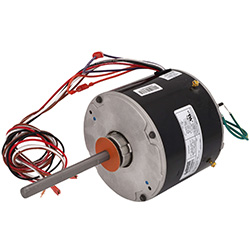
- Condenser Fan Motors: Condenser fan motors pull outdoor air across the condenser coil in a split system air conditioner or heat pump, and a failed motor is one of the most common outdoor unit service calls. Replacement motors need to match horsepower, rotation, voltage, and shaft configuration to the original unit.
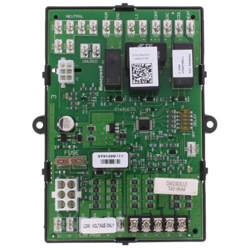
- Fan and Limit Controls: Fan and limit controls turn a furnace blower on and off based on plenum temperature and shut the burner down if temperatures climb past a safe limit. Older furnaces often use a mechanical fan and limit switch, while newer equipment relies on an electronic control board to perform the same function.
- Fan Blower Controls: Fan blower controls manage blower speed and timing on furnaces and air handlers, ranging from simple relays to multi speed or variable speed control modules. Technicians select a replacement based on the number of speeds and the control signal the existing system uses.
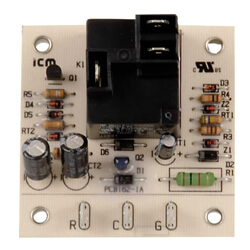
- Fan Relays: Fan relays switch power to a blower or condenser fan motor based on a signal from the thermostat or control board, and a failed relay is a common cause of a system that calls for cooling but never starts the fan. Replacement relays need matching coil voltage and contact rating to the original part.
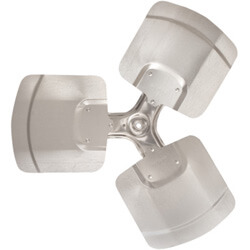
- Replacement Fan Blades: Replacement fan blades cover both condenser fan blades and furnace blower wheels, sized and pitched to match airflow requirements for the original equipment. A blade with the wrong pitch or diameter can starve airflow or overload the motor driving it.
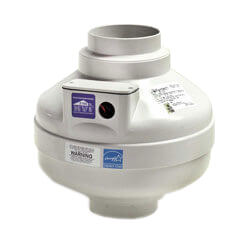
- Ventilation Fans: Ventilation fans cover exhaust and utility fans used for spot ventilation in bathrooms, utility rooms, and light commercial spaces, separate from whole house or attic ventilation equipment. Sizing depends on the room's required air changes per hour and available duct or wall opening size.
Buying Guide
Fan component replacement starts with pulling the exact model and serial number off the failed part, not just the equipment it's installed in, since motors, relays, and controls are frequently updated across a unit's production run. A universal replacement can work in many cases, but confirming electrical specifications first avoids a callback.
Motor replacement depends on matching horsepower, full load amperage, rotation direction, and shaft or mounting style rather than just physical size. A motor that looks similar but spins the wrong direction or draws more current than the original can shorten the life of the new motor or the equipment around it.
Fan and limit controls differ between mechanical and electronic designs, and the two aren't always drop in replacements for each other. Confirming whether the existing furnace uses a mechanical switch or a control board handles that function is worth doing before ordering a replacement part.
Relay selection comes down to coil voltage and contact rating matching the original component, since an undersized relay can fail prematurely under the load it's switching. Technicians carrying a small stock of common relay types can often cross reference an equivalent part rather than waiting on an exact factory match.
Ventilation fan sizing depends on the space being served rather than the HVAC system's overall capacity, since bathroom and utility fans are sized to local code requirements for air changes per hour in that specific room. Duct size and available wall or ceiling opening also narrow down which models will physically fit the job.
Frequently Asked Questions
How is a replacement condenser fan motor matched to the original?
Horsepower, rotation direction, voltage, and shaft configuration all need to match the original motor, along with the mounting style used on the unit. The data plate on the failed motor is the most reliable source for these specifications rather than assuming based on the equipment model.
What's the difference between a fan and limit control and a fan blower control?
A fan and limit control switches the blower on and off based on plenum temperature and includes a safety shutdown if temperatures climb too high, while a fan blower control manages blower speed and timing without that safety function. Some newer control boards combine both functions into a single component.
Why would a system call for cooling but the fan never starts?
A failed fan relay is a common cause, since the relay switches power to the blower or condenser fan motor based on a signal from the thermostat or control board. Testing the relay's coil and contacts can confirm whether it's the source of the problem before replacing other components.
Can a universal replacement motor be used instead of an exact factory match?
Often yes, provided the horsepower, rotation, voltage, and mounting style are confirmed to match the original, since universal motors are designed to cover a range of applications. Confirming electrical specifications against the failed motor's data plate is still the safest step before installing one.
How is a ventilation fan sized for a bathroom or utility room?
Sizing is based on the room's square footage and the air changes per hour required by local code, not on the HVAC system's overall capacity. Available duct size and wall or ceiling opening also affect which models will fit the installation.
Resources
Subcategories
- Condenser Fan Motors: Condenser fan motors pull outdoor air across the condenser coil in a split system air conditioner or heat pump, and a failed motor is one of the most common outdoor unit service calls. Replacement motors need to match horsepower, rotation, voltage, and shaft configuration to the original unit.
- Fan and Limit Controls: Fan and limit controls turn a furnace blower on and off based on plenum temperature and shut the burner down if temperatures climb past a safe limit. Older furnaces often use a mechanical fan and limit switch, while newer equipment relies on an electronic control board to perform the same function.
- Fan Blower Controls: Fan blower controls manage blower speed and timing on furnaces and air handlers, ranging from simple relays to multi speed or variable speed control modules. Technicians select a replacement based on the number of speeds and the control signal the existing system uses.
- Fan Relays: Fan relays switch power to a blower or condenser fan motor based on a signal from the thermostat or control board, and a failed relay is a common cause of a system that calls for cooling but never starts the fan. Replacement relays need matching coil voltage and contact rating to the original part.
- Replacement Fan Blades: Replacement fan blades cover both condenser fan blades and furnace blower wheels, sized and pitched to match airflow requirements for the original equipment. A blade with the wrong pitch or diameter can starve airflow or overload the motor driving it.
- Ventilation Fans: Ventilation fans cover exhaust and utility fans used for spot ventilation in bathrooms, utility rooms, and light commercial spaces, separate from whole house or attic ventilation equipment. Sizing depends on the room's required air changes per hour and available duct or wall opening size.
Buying Guide
Fan component replacement starts with pulling the exact model and serial number off the failed part, not just the equipment it's installed in, since motors, relays, and controls are frequently updated across a unit's production run. A universal replacement can work in many cases, but confirming electrical specifications first avoids a callback.
Motor replacement depends on matching horsepower, full load amperage, rotation direction, and shaft or mounting style rather than just physical size. A motor that looks similar but spins the wrong direction or draws more current than the original can shorten the life of the new motor or the equipment around it.
Fan and limit controls differ between mechanical and electronic designs, and the two aren't always drop in replacements for each other. Confirming whether the existing furnace uses a mechanical switch or a control board handles that function is worth doing before ordering a replacement part.
Relay selection comes down to coil voltage and contact rating matching the original component, since an undersized relay can fail prematurely under the load it's switching. Technicians carrying a small stock of common relay types can often cross reference an equivalent part rather than waiting on an exact factory match.
Ventilation fan sizing depends on the space being served rather than the HVAC system's overall capacity, since bathroom and utility fans are sized to local code requirements for air changes per hour in that specific room. Duct size and available wall or ceiling opening also narrow down which models will physically fit the job.
Frequently Asked Questions
How is a replacement condenser fan motor matched to the original?
Horsepower, rotation direction, voltage, and shaft configuration all need to match the original motor, along with the mounting style used on the unit. The data plate on the failed motor is the most reliable source for these specifications rather than assuming based on the equipment model.
What's the difference between a fan and limit control and a fan blower control?
A fan and limit control switches the blower on and off based on plenum temperature and includes a safety shutdown if temperatures climb too high, while a fan blower control manages blower speed and timing without that safety function. Some newer control boards combine both functions into a single component.
Why would a system call for cooling but the fan never starts?
A failed fan relay is a common cause, since the relay switches power to the blower or condenser fan motor based on a signal from the thermostat or control board. Testing the relay's coil and contacts can confirm whether it's the source of the problem before replacing other components.
Can a universal replacement motor be used instead of an exact factory match?
Often yes, provided the horsepower, rotation, voltage, and mounting style are confirmed to match the original, since universal motors are designed to cover a range of applications. Confirming electrical specifications against the failed motor's data plate is still the safest step before installing one.
How is a ventilation fan sized for a bathroom or utility room?
Sizing is based on the room's square footage and the air changes per hour required by local code, not on the HVAC system's overall capacity. Available duct size and wall or ceiling opening also affect which models will fit the installation.