




Filter Cartridges
Filter cartridges are the replaceable core of a water filtration system, fitting inside a filter housing to remove sediment, chemicals, or other contaminants as water passes through. Each cartridge is built around a specific micron rating and filtering material matched to the contaminant it targets, from loose sediment to dissolved chlorine.
Plumbers replace filter cartridges as routine maintenance on whole-house filtration systems, under-sink drinking water setups, and point-of-use filters, since a spent cartridge restricts flow and stops removing contaminants effectively. Keeping the right cartridge on hand for a given housing and application keeps a filtration system performing as intended between service calls.

Subcategories
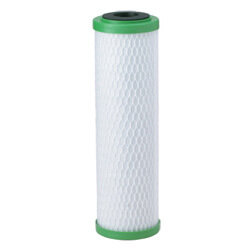
- Drinking Water Cartridges: Drinking water cartridges are sized for under-sink and point-of-use systems. They typically target taste, odor, and chlorine reduction for water used directly for cooking and drinking.
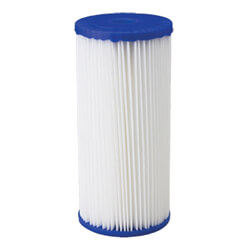
- Heavy Duty Cartridges: Heavy duty cartridges are built for higher-flow or higher-contaminant-load applications, such as whole-house systems or commercial setups, where a standard cartridge would need more frequent replacement.
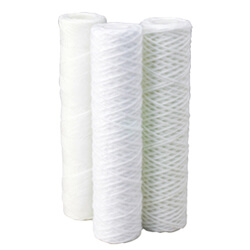
- Sediment Cartridges: Sediment cartridges filter out sand, rust, and other particulate matter. They protect downstream fixtures and appliances from grit that would otherwise clog aerators, valves, and water heaters.
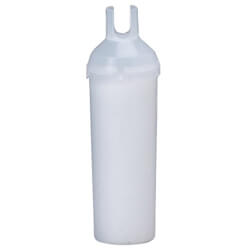
- Specialty Cartridges: Specialty cartridges cover filtration needs outside standard sediment or taste and odor reduction, such as targeting specific contaminants or serving equipment with a non-standard housing size or connection.
Buying Guide
The starting point for choosing a filter cartridge is the housing it needs to fit. Cartridge length, diameter, and end-cap style vary between manufacturers and housing models. A cartridge that doesn't seat properly in the housing won't seal, letting unfiltered water bypass the filter media entirely.
Micron rating determines what size particles the cartridge captures. A lower micron rating filters finer particles but restricts flow more and clogs faster under a heavy sediment load. A higher micron rating handles more volume before needing replacement but lets smaller particles through.
Match the cartridge type to the water quality problem being solved. Sediment cartridges address particulate matter, while cartridges built around activated carbon or other media target taste, odor, and chemical reduction. Using a sediment-only cartridge where chlorine or taste is the complaint won't resolve the issue.
Flow rate and expected service life should factor into cartridge selection, especially for whole-house or commercial installations. Heavy duty cartridges are built to handle higher flow and heavier contaminant loads before replacement is due, reducing how often a technician needs to return for a cartridge swap.
Replacement interval depends on the water source and how heavily the system is used. Monitor for reduced flow or pressure drop across the housing. Keeping the correct cartridge type and micron rating on hand for each job's housing model avoids return trips for the wrong part.
Frequently Asked Questions
How do I know which filter cartridge fits my housing?
Check the cartridge's length, diameter, and end-cap style against the housing's specifications. Cartridges are not universal across manufacturers, so matching the exact housing model is the most reliable way to get a proper fit.
What does micron rating mean on a filter cartridge?
Micron rating describes the smallest particle size the cartridge is designed to capture. A lower number filters finer particles but restricts flow more, while a higher number allows more flow but lets larger particles pass.
Will a sediment cartridge remove chlorine taste or odor?
No. Sediment cartridges are built to catch particulate matter like sand and rust. Reducing taste, odor, or chlorine typically requires a cartridge built around activated carbon or another targeted filtering media.
How often should a filter cartridge be replaced?
Replacement interval depends on water quality and system usage. Reduced flow or a pressure drop across the housing is a sign the cartridge is due for a swap.
What's the difference between a heavy duty cartridge and a standard one?
Heavy duty cartridges are built to handle higher flow rates or heavier contaminant loads before they need replacing. This suits whole-house or commercial systems that see more water volume than a single point-of-use filter.
Resources
Subcategories
- Drinking Water Cartridges: Drinking water cartridges are sized for under-sink and point-of-use systems. They typically target taste, odor, and chlorine reduction for water used directly for cooking and drinking.
- Heavy Duty Cartridges: Heavy duty cartridges are built for higher-flow or higher-contaminant-load applications, such as whole-house systems or commercial setups, where a standard cartridge would need more frequent replacement.
- Sediment Cartridges: Sediment cartridges filter out sand, rust, and other particulate matter. They protect downstream fixtures and appliances from grit that would otherwise clog aerators, valves, and water heaters.
- Specialty Cartridges: Specialty cartridges cover filtration needs outside standard sediment or taste and odor reduction, such as targeting specific contaminants or serving equipment with a non-standard housing size or connection.
Buying Guide
The starting point for choosing a filter cartridge is the housing it needs to fit. Cartridge length, diameter, and end-cap style vary between manufacturers and housing models. A cartridge that doesn't seat properly in the housing won't seal, letting unfiltered water bypass the filter media entirely.
Micron rating determines what size particles the cartridge captures. A lower micron rating filters finer particles but restricts flow more and clogs faster under a heavy sediment load. A higher micron rating handles more volume before needing replacement but lets smaller particles through.
Match the cartridge type to the water quality problem being solved. Sediment cartridges address particulate matter, while cartridges built around activated carbon or other media target taste, odor, and chemical reduction. Using a sediment-only cartridge where chlorine or taste is the complaint won't resolve the issue.
Flow rate and expected service life should factor into cartridge selection, especially for whole-house or commercial installations. Heavy duty cartridges are built to handle higher flow and heavier contaminant loads before replacement is due, reducing how often a technician needs to return for a cartridge swap.
Replacement interval depends on the water source and how heavily the system is used. Monitor for reduced flow or pressure drop across the housing. Keeping the correct cartridge type and micron rating on hand for each job's housing model avoids return trips for the wrong part.
Frequently Asked Questions
How do I know which filter cartridge fits my housing?
Check the cartridge's length, diameter, and end-cap style against the housing's specifications. Cartridges are not universal across manufacturers, so matching the exact housing model is the most reliable way to get a proper fit.
What does micron rating mean on a filter cartridge?
Micron rating describes the smallest particle size the cartridge is designed to capture. A lower number filters finer particles but restricts flow more, while a higher number allows more flow but lets larger particles pass.
Will a sediment cartridge remove chlorine taste or odor?
No. Sediment cartridges are built to catch particulate matter like sand and rust. Reducing taste, odor, or chlorine typically requires a cartridge built around activated carbon or another targeted filtering media.
How often should a filter cartridge be replaced?
Replacement interval depends on water quality and system usage. Reduced flow or a pressure drop across the housing is a sign the cartridge is due for a swap.
What's the difference between a heavy duty cartridge and a standard one?
Heavy duty cartridges are built to handle higher flow rates or heavier contaminant loads before they need replacing. This suits whole-house or commercial systems that see more water volume than a single point-of-use filter.