




Galvanized Pipe
Galvanized pipe is steel pipe coated with a layer of zinc to slow corrosion. It gives contractors a durable option for water supply lines, gas lines, and structural applications where bare steel would rust through over time. The zinc coating protects the base steel from moisture exposure both inside and outside the pipe, though the coating itself wears down gradually with age and water flow.
Plumbers and mechanical contractors run into galvanized pipe most often on repair and replacement jobs in older buildings. It was a common choice for water distribution before copper and plastic piping became standard. Matching new galvanized fittings and nipples to the existing thread pattern and pipe diameter keeps a repair job connecting cleanly to pipe that may be decades old.

Subcategories
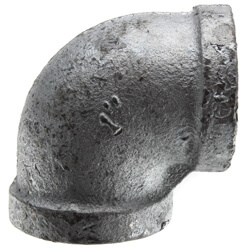
- Galvanized Fittings: Galvanized fittings connect sections of galvanized pipe using threaded connections. Elbows, tees, couplings, and similar shapes route a pipe run around obstacles or branch off to a fixture. They thread onto standard pipe thread the same way any threaded steel fitting would. Matching fitting size to the existing pipe diameter is straightforward since galvanized pipe sizing follows standard iron pipe size conventions. These fittings see steady use in repair work on older water and gas piping systems.
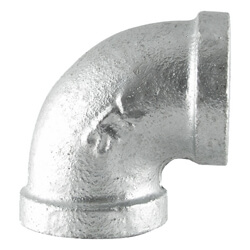
- Galvanized Fittings (Imported): Imported galvanized fittings offer the same threaded connection styles as domestic fittings at a different price point, giving contractors an alternative source for common elbow, tee, and coupling shapes. They thread onto standard galvanized or black pipe the same way as any other threaded steel fitting. Checking thread compatibility and coating quality before committing to a large order helps confirm the fittings meet the job's requirements.
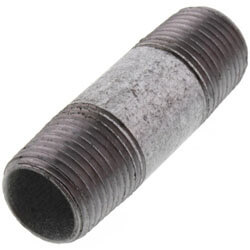
- Galvanized Nipples: Galvanized nipples are short threaded pipe sections that connect two fittings or extend a run by a small, specific distance. They fill gaps that a standard fitting-to-fitting connection can't close directly. They come in a range of standard lengths and diameters to match common repair needs. Close nipples, which have almost no unthreaded body between the two threaded ends, handle the tightest connection gaps. Keeping a stock of common nipple lengths on the truck speeds up repair calls where the exact gap isn't known until the job starts.
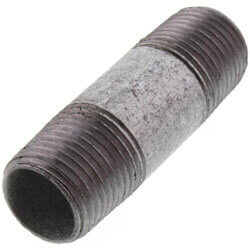
- Galvanized Schedule 80 Nipples: Galvanized Schedule 80 nipples have a thicker wall than standard Schedule 40 nipples, giving them added strength for higher-pressure applications or situations where the nipple faces more physical stress. They install the same way as standard nipples, threading into fittings on either end. Contractors reach for Schedule 80 when a job specification calls for extra wall thickness, such as certain gas piping or industrial applications. The thicker wall does reduce the interior diameter slightly compared to Schedule 40 at the same nominal size.
Buying Guide
Selecting galvanized pipe and fittings starts with confirming the application. Water supply, gas line, and structural uses each carry different code requirements and expectations for pipe schedule and fitting type. Checking local code before finalizing an order avoids a mismatch discovered during inspection.
Matching new parts to existing pipe requires checking both diameter and thread type, since older galvanized systems can vary in thread pattern depending on when they were installed. A fitting that doesn't thread cleanly onto the existing pipe leads to a leak no matter how well the rest of the joint is assembled.
Wall thickness is a real consideration for higher-pressure or higher-stress applications. Schedule 80 nipples and fittings offer more strength than standard Schedule 40 parts. The tradeoff is a slightly reduced interior diameter, which is worth weighing against the flow needs of the specific run.
Corrosion condition of the existing pipe should factor into any repair decision. If the pipe being tied into already shows heavy internal corrosion or reduced flow, replacing a larger section may be better than patching a single fitting. That can save a return trip once the surrounding pipe eventually fails too.
Sourcing decisions between domestic and imported fittings often come down to price and lead time. Confirming thread compatibility and coating quality before a bulk order protects against a batch that doesn't perform as expected in the field.
Frequently Asked Questions
Is galvanized pipe still used for new water supply installations?
It's less common than copper or plastic piping for new water supply work today. Galvanized pipe and fittings remain widely used for repairs and extensions to existing galvanized systems, along with certain gas and structural applications.
What's the difference between a standard nipple and a close nipple?
A close nipple has almost no unthreaded body between its two threaded ends. It is the shortest option for connecting two fittings that sit very close together. A standard nipple offers more length options for bigger gaps.
When is Schedule 80 galvanized pipe or fittings needed instead of Schedule 40?
Schedule 80 is specified when a job calls for extra wall thickness and strength, such as certain gas piping or higher-stress applications. It does reduce the interior diameter slightly compared to Schedule 40 at the same size.
Why does old galvanized pipe sometimes cause reduced water flow?
The zinc coating and the steel underneath can corrode internally over decades of water exposure. Deposits build up and narrow the effective diameter of the pipe, which reduces flow even though the pipe hasn't failed outright.
Do galvanized fittings need special tools to install?
No. They thread on with standard pipe wrenches the same way as any threaded steel fitting. A pipe thread sealant appropriate for the application should be used for a tight connection.
Resources
Subcategories
- Galvanized Fittings: Galvanized fittings connect sections of galvanized pipe using threaded connections. Elbows, tees, couplings, and similar shapes route a pipe run around obstacles or branch off to a fixture. They thread onto standard pipe thread the same way any threaded steel fitting would. Matching fitting size to the existing pipe diameter is straightforward since galvanized pipe sizing follows standard iron pipe size conventions. These fittings see steady use in repair work on older water and gas piping systems.
- Galvanized Fittings (Imported): Imported galvanized fittings offer the same threaded connection styles as domestic fittings at a different price point, giving contractors an alternative source for common elbow, tee, and coupling shapes. They thread onto standard galvanized or black pipe the same way as any other threaded steel fitting. Checking thread compatibility and coating quality before committing to a large order helps confirm the fittings meet the job's requirements.
- Galvanized Nipples: Galvanized nipples are short threaded pipe sections that connect two fittings or extend a run by a small, specific distance. They fill gaps that a standard fitting-to-fitting connection can't close directly. They come in a range of standard lengths and diameters to match common repair needs. Close nipples, which have almost no unthreaded body between the two threaded ends, handle the tightest connection gaps. Keeping a stock of common nipple lengths on the truck speeds up repair calls where the exact gap isn't known until the job starts.
- Galvanized Schedule 80 Nipples: Galvanized Schedule 80 nipples have a thicker wall than standard Schedule 40 nipples, giving them added strength for higher-pressure applications or situations where the nipple faces more physical stress. They install the same way as standard nipples, threading into fittings on either end. Contractors reach for Schedule 80 when a job specification calls for extra wall thickness, such as certain gas piping or industrial applications. The thicker wall does reduce the interior diameter slightly compared to Schedule 40 at the same nominal size.
Buying Guide
Selecting galvanized pipe and fittings starts with confirming the application. Water supply, gas line, and structural uses each carry different code requirements and expectations for pipe schedule and fitting type. Checking local code before finalizing an order avoids a mismatch discovered during inspection.
Matching new parts to existing pipe requires checking both diameter and thread type, since older galvanized systems can vary in thread pattern depending on when they were installed. A fitting that doesn't thread cleanly onto the existing pipe leads to a leak no matter how well the rest of the joint is assembled.
Wall thickness is a real consideration for higher-pressure or higher-stress applications. Schedule 80 nipples and fittings offer more strength than standard Schedule 40 parts. The tradeoff is a slightly reduced interior diameter, which is worth weighing against the flow needs of the specific run.
Corrosion condition of the existing pipe should factor into any repair decision. If the pipe being tied into already shows heavy internal corrosion or reduced flow, replacing a larger section may be better than patching a single fitting. That can save a return trip once the surrounding pipe eventually fails too.
Sourcing decisions between domestic and imported fittings often come down to price and lead time. Confirming thread compatibility and coating quality before a bulk order protects against a batch that doesn't perform as expected in the field.
Frequently Asked Questions
Is galvanized pipe still used for new water supply installations?
It's less common than copper or plastic piping for new water supply work today. Galvanized pipe and fittings remain widely used for repairs and extensions to existing galvanized systems, along with certain gas and structural applications.
What's the difference between a standard nipple and a close nipple?
A close nipple has almost no unthreaded body between its two threaded ends. It is the shortest option for connecting two fittings that sit very close together. A standard nipple offers more length options for bigger gaps.
When is Schedule 80 galvanized pipe or fittings needed instead of Schedule 40?
Schedule 80 is specified when a job calls for extra wall thickness and strength, such as certain gas piping or higher-stress applications. It does reduce the interior diameter slightly compared to Schedule 40 at the same size.
Why does old galvanized pipe sometimes cause reduced water flow?
The zinc coating and the steel underneath can corrode internally over decades of water exposure. Deposits build up and narrow the effective diameter of the pipe, which reduces flow even though the pipe hasn't failed outright.
Do galvanized fittings need special tools to install?
No. They thread on with standard pipe wrenches the same way as any threaded steel fitting. A pipe thread sealant appropriate for the application should be used for a tight connection.