




Gastite
Gastite is a corrugated stainless steel tubing (CSST) system. It routes natural gas and propane through flexible, semi-rigid tubing instead of rigid black iron pipe, cutting the number of joints and fittings needed to run gas through a structure.
The system pairs polyethylene-jacketed CSST with brass mechanical fittings and a Jacket Lock design that captures the tubing's outer jacket for a secure, gas-tight connection. Gastite CSST is manufactured in sizes from 1/2 inch to 2 inch NPS, and the fittings meet ASTM B16 type 360 brass requirements. Installers pair the tubing with recessed gas outlet boxes for a finished appliance connection point. They round out a run with the brackets, straps, and other mounting hardware needed to support tubing runs through framing. Gastite is listed with CSA, ICC, and IAPMO and complies with ANSI LC1, the standard covering CSST fuel gas piping systems.



Subcategories
- Gastite CSST Tubing: Gas fitters and mechanical contractors run Gastite CSST tubing in place of rigid black iron pipe. It moves gas through walls, floors, and framing cavities with fewer joints and less on-site bending or threading. The tubing is manufactured in sizes from 1/2 inch to 2 inch NPS and carries a polyethylene jacket over the corrugated stainless steel core for added protection.
- Gastite CSST Fittings: Installers use Gastite's mechanical fittings to terminate and join CSST runs without soldering or welding. The fittings are manufactured from ASTM B16 type 360 brass. They use a double wall flare with the Jacket Lock design, which mechanically captures the tubing's outer jacket for a gas-tight seal.
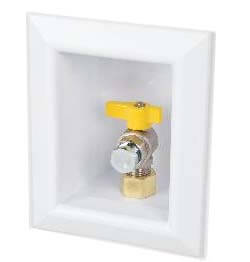
- Gas Outlet Boxes: Contractors install Gastite's recessed gas outlet boxes as the finished termination point for a gas appliance connection, keeping the shutoff valve and fitting recessed within the wall assembly. A FireStop version of the outlet box exists for fire-rated wall assemblies.
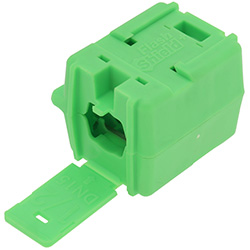
- Gastite Install Accessories: Crews round out a CSST run with Gastite's mounting hardware, including the brackets and straps used to support and secure tubing as it passes through framing. The accessories keep tubing seated properly and protected from mechanical damage over the length of a run.
Buying Guide
CSST makes the most sense on runs with several turns or long horizontal runs through framing. Flexible tubing installs faster than cutting, threading, and fitting rigid black iron pipe section by section. Straight, short, or exposed runs where rigid pipe is easy to run may not see the same labor savings.
Sizing a CSST run starts with the total gas load and the length of the run from the meter or regulator to the appliance. Gastite tubing covers a size range from 1/2 inch up to 2 inch NPS. Matching tubing size to the appliance's BTU demand and run length keeps pressure drop within an acceptable range.
Fittings need to come from the same system as the tubing. Gastite's mechanical fittings are engineered specifically for its CSST and Jacket Lock design. Mixing tubing and fittings from different CSST brands isn't a safe substitution, even when sizes appear to match.
Outlet box selection depends on where the connection lands. A standard recessed gas outlet box works for most appliance connections. The FireStop version belongs in fire-rated wall assemblies where the wall's fire rating has to be maintained around the penetration.
Rounding out a bid with enough mounting hardware, brackets, and straps keeps tubing properly supported and protected through its full run. This reduces the chance of damage to the jacket or corrugated core during and after installation.
Frequently Asked Questions
What's the difference between Gastite CSST and rigid black iron gas pipe?
CSST is a flexible, corrugated stainless steel tubing system. It routes gas through framing with fewer joints than rigid black iron pipe. Rigid pipe needs to be cut, threaded, and fitted section by section to make the same turns.
What sizes does Gastite CSST tubing come in?
Gastite CSST is manufactured in sizes ranging from 1/2 inch up to 2 inch NPS.
Can Gastite fittings be used with CSST tubing from another manufacturer?
No. Gastite's mechanical fittings are engineered for its own tubing and Jacket Lock design. Tubing and fittings need to come from the same CSST system rather than being mixed across brands.
When does a gas outlet box need to be the FireStop version instead of the standard version?
The FireStop outlet box belongs in fire-rated wall assemblies, where maintaining the wall's fire rating around the penetration matters. A standard recessed outlet box covers most other appliance connection points.
What certifications does the Gastite CSST system carry?
Gastite's CSST system is listed with CSA, ICC, and IAPMO and complies with ANSI LC1, the standard covering fuel gas piping systems that use corrugated stainless steel tubing.
Resources
Subcategories
- Gastite CSST Tubing: Gas fitters and mechanical contractors run Gastite CSST tubing in place of rigid black iron pipe. It moves gas through walls, floors, and framing cavities with fewer joints and less on-site bending or threading. The tubing is manufactured in sizes from 1/2 inch to 2 inch NPS and carries a polyethylene jacket over the corrugated stainless steel core for added protection.
- Gastite CSST Fittings: Installers use Gastite's mechanical fittings to terminate and join CSST runs without soldering or welding. The fittings are manufactured from ASTM B16 type 360 brass. They use a double wall flare with the Jacket Lock design, which mechanically captures the tubing's outer jacket for a gas-tight seal.
- Gas Outlet Boxes: Contractors install Gastite's recessed gas outlet boxes as the finished termination point for a gas appliance connection, keeping the shutoff valve and fitting recessed within the wall assembly. A FireStop version of the outlet box exists for fire-rated wall assemblies.
- Gastite Install Accessories: Crews round out a CSST run with Gastite's mounting hardware, including the brackets and straps used to support and secure tubing as it passes through framing. The accessories keep tubing seated properly and protected from mechanical damage over the length of a run.
Buying Guide
CSST makes the most sense on runs with several turns or long horizontal runs through framing. Flexible tubing installs faster than cutting, threading, and fitting rigid black iron pipe section by section. Straight, short, or exposed runs where rigid pipe is easy to run may not see the same labor savings.
Sizing a CSST run starts with the total gas load and the length of the run from the meter or regulator to the appliance. Gastite tubing covers a size range from 1/2 inch up to 2 inch NPS. Matching tubing size to the appliance's BTU demand and run length keeps pressure drop within an acceptable range.
Fittings need to come from the same system as the tubing. Gastite's mechanical fittings are engineered specifically for its CSST and Jacket Lock design. Mixing tubing and fittings from different CSST brands isn't a safe substitution, even when sizes appear to match.
Outlet box selection depends on where the connection lands. A standard recessed gas outlet box works for most appliance connections. The FireStop version belongs in fire-rated wall assemblies where the wall's fire rating has to be maintained around the penetration.
Rounding out a bid with enough mounting hardware, brackets, and straps keeps tubing properly supported and protected through its full run. This reduces the chance of damage to the jacket or corrugated core during and after installation.
Frequently Asked Questions
What's the difference between Gastite CSST and rigid black iron gas pipe?
CSST is a flexible, corrugated stainless steel tubing system. It routes gas through framing with fewer joints than rigid black iron pipe. Rigid pipe needs to be cut, threaded, and fitted section by section to make the same turns.
What sizes does Gastite CSST tubing come in?
Gastite CSST is manufactured in sizes ranging from 1/2 inch up to 2 inch NPS.
Can Gastite fittings be used with CSST tubing from another manufacturer?
No. Gastite's mechanical fittings are engineered for its own tubing and Jacket Lock design. Tubing and fittings need to come from the same CSST system rather than being mixed across brands.
When does a gas outlet box need to be the FireStop version instead of the standard version?
The FireStop outlet box belongs in fire-rated wall assemblies, where maintaining the wall's fire rating around the penetration matters. A standard recessed outlet box covers most other appliance connection points.
What certifications does the Gastite CSST system carry?
Gastite's CSST system is listed with CSA, ICC, and IAPMO and complies with ANSI LC1, the standard covering fuel gas piping systems that use corrugated stainless steel tubing.