




Filters
SORT
Product Availability –
Review Score –
 --%3E %3Csvg version='1.1' id='Fill' xmlns='http://www.w3.org/2000/svg' xmlns:xlink='http://www.w3.org/1999/xlink' x='0px' y='0px' viewBox='0 0 100 100' enable-background='new 0 0 100 100' xml:space='preserve'%3E %3Cpath fill='%23F15C02' d='M79.44,0.95H20.56C9.78,0.95,0.95,9.78,0.95,20.56v58.87c0,10.79,8.82,19.61,19.61,19.61h58.87 c10.79,0,19.61-8.83,19.61-19.61V20.56C99.05,9.78,90.22,0.95,79.44,0.95z M65.38,58.24l9.38,29.58L49.69,69.78L24.5,87.82 l9.34-29.6L8.8,39.6l30.73-0.17c0,0,6.98-19.61,10-28.93c0.54,1.36,9.88,29.1,9.88,29.1H91.2L65.38,58.24z'/%3E %3C/svg%3E)
Price Range –
Goodman Amana Compressors

 --%3E %3Csvg version='1.1' id='No-RB' xmlns='http://www.w3.org/2000/svg' xmlns:xlink='http://www.w3.org/1999/xlink' x='0px' y='0px' viewBox='0 0 100 100' enable-background='new 0 0 100 100' xml:space='preserve'%3E %3Cpath fill='%23CECECE' d='M79.44,0.95H20.56C9.78,0.95,0.95,9.78,0.95,20.56v58.87c0,10.79,8.82,19.61,19.61,19.61h58.87 c10.79,0,19.61-8.83,19.61-19.61V20.56C99.05,9.78,90.22,0.95,79.44,0.95z M65.38,58.24l9.38,29.58L49.69,69.78L24.5,87.82 l9.34-29.6L8.8,39.6l30.73-0.17c0,0,6.98-19.61,10-28.93c0.54,1.36,9.88,29.1,9.88,29.1H91.2L65.38,58.24z'/%3E %3C/svg%3E)
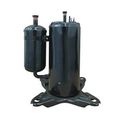
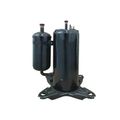
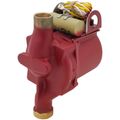


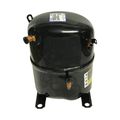
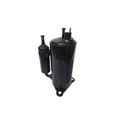
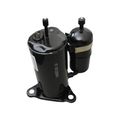
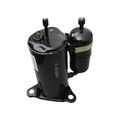
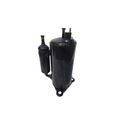
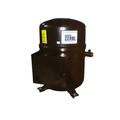
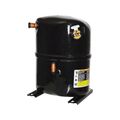
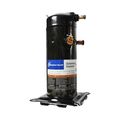
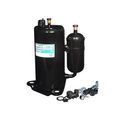
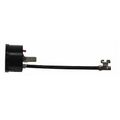

Goodman Amana compressors are replacement compressors built for air conditioning and heat pump systems sold under the Goodman and Amana brands, both manufactured by the same parent company and sharing significant equipment overlap. The compressor is the component that pressurizes refrigerant vapor and circulates it through the system, and it is generally the most expensive single part in an outdoor condensing unit, so replacing it is typically considered only after a technician confirms the compressor itself has failed rather than a more affordable component elsewhere in the refrigerant circuit. Compressor types across this product line include scroll and reciprocating designs, with scroll compressors dominating current residential and light commercial equipment. Matching the replacement compressor to the exact unit model and refrigerant type is essential, since an incorrect match can damage the new compressor or void a manufacturer warranty on the surrounding equipment.
Subcategories
- Scroll Compressors: Scroll compressors use two interleaving spiral-shaped scrolls to compress refrigerant vapor, a design that has largely replaced reciprocating compressors in current residential and light commercial Goodman and Amana equipment due to quieter operation and fewer moving parts subject to wear. Technicians select scroll replacements based on tonnage, refrigerant type, and voltage to match the original equipment exactly. These compressors are common in split-system air conditioners and heat pumps installed over roughly the last two decades. Confirming the specific model number on the failed unit is the standard way to identify the correct replacement.
- Reciprocating Compressors: Reciprocating compressors use a piston-driven design and are found mostly in older Goodman and Amana equipment predating widespread scroll compressor adoption. Technicians servicing older systems still occasionally need these parts, though scroll replacements are increasingly the only option manufactured for units at end of life. Reciprocating compressors typically run louder and see more wear over time than scroll designs handling the same load. Confirming parts availability early avoids a delay when servicing an older unit.
- Compressor Kits with Start Components: Compressor replacement kits bundle the compressor with start capacitors, relays, or other start-assist components needed to bring the motor up to speed reliably, particularly important on single-phase residential equipment. Installing a bare compressor without confirming these supporting components are also in good condition risks a hard start or short-cycling that can damage the new compressor prematurely. Technicians replacing a compressor after a hard-start failure often address these components in the same service call. Kits reduce the chance of a return trip for a secondary part.
Buying Guide
Confirming an actual compressor failure before ordering a replacement is the first step, since compressor replacement is a significant repair cost and several other issues, including a failed capacitor, a stuck contactor, or low refrigerant charge, can produce symptoms that resemble compressor failure without requiring the compressor itself to be replaced. A qualified technician diagnosing electrical readings and refrigerant pressures on the existing unit is the reliable way to confirm the compressor is the actual point of failure.
Matching the replacement to the original unit's exact specifications matters more here than with most other components, since compressor tonnage, refrigerant type, and voltage all need to align precisely with the surrounding system. A mismatched refrigerant type in particular can damage a new compressor quickly or interact poorly with existing system oil, making the original equipment's data plate the starting reference point for any replacement order.
Scroll versus reciprocating design generally is not a choice at this point for most current-generation equipment, since scroll compressors are the standard replacement for nearly all residential and light commercial units still receiving parts support. Technicians servicing older reciprocating-equipped systems should confirm parts availability before committing to that route, since availability narrows as older equipment ages out of production.
Deciding whether to replace supporting start components alongside the compressor itself is worth considering, particularly if the original failure involved a hard start or short cycling. Installing a new compressor without addressing a weak start capacitor or failing relay can shorten the life of the replacement part, so bundling those components into the same service call is often the more reliable approach.
Frequently Asked Questions
How can a technician confirm a compressor has actually failed?
Confirming compressor failure typically involves checking electrical readings, such as winding resistance and amp draw, along with refrigerant pressures on the system, since several other components can produce symptoms that resemble a bad compressor. A qualified technician ruling out a failed capacitor, stuck contactor, or low refrigerant charge first avoids replacing a functional compressor unnecessarily. This diagnostic step is standard practice before ordering the part given the cost involved.
Are Goodman and Amana compressors interchangeable?
Goodman and Amana are manufactured by the same parent company and share significant equipment overlap, so compressors are often compatible across compatible model lines within matching tonnage, refrigerant type, and voltage specifications. Confirming compatibility against the specific unit's data plate rather than assuming brand interchangeability is still the recommended approach. Not every model pairs directly across both brands.
What happens if the wrong refrigerant type compressor is installed?
Installing a compressor rated for the wrong refrigerant type can damage the new compressor relatively quickly and may interact poorly with the system's existing oil and refrigerant charge. This is one of the more costly mismatches possible in HVAC repair given the compressor's price. Always confirm refrigerant type against the original equipment's data plate before ordering.
Is a scroll compressor a direct replacement for an older reciprocating unit?
In many cases scroll compressors have become the standard replacement for aging reciprocating units as manufacturers phase out reciprocating parts production, but confirming compatibility with the existing system, including oil type and electrical connections, is necessary before installation. A qualified technician can confirm whether a direct scroll replacement is available for a specific older model.
Should start components be replaced along with a failed compressor?
It depends on the cause of the original failure, but replacing worn start capacitors, relays, or contactors alongside the compressor is common practice, particularly when the failure involved hard starting or short cycling. Leaving a weak supporting component in place can shorten the life of the newly installed compressor. Kits that bundle these parts together are a convenient option for this type of repair.
