




HVAC & Refrigeration Solenoid Valves
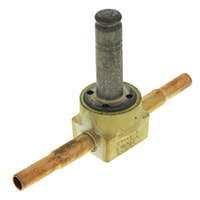
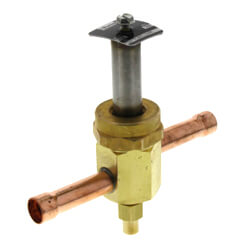
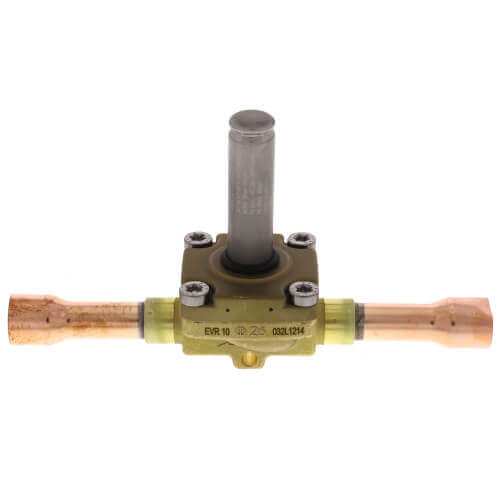
HVAC and refrigeration solenoid valves are electrically operated valves that open or close a refrigerant or fluid line in response to a control signal. They do not need manual operation at the valve itself. They're used throughout refrigeration and air conditioning systems to control refrigerant flow to a specific circuit, defrost cycle, or capacity stage.
Because a solenoid valve directly interrupts refrigerant flow, the valve must match the system's refrigerant type, line size, and operating pressure. This is necessary for it to function correctly and seal properly when closed. Technicians typically replace a solenoid valve with the same brand and model, or a confirmed equivalent, rather than substituting an unverified part.


Subcategories
- Danfoss Solenoid Valves: Danfoss solenoid valves control refrigerant flow in commercial and industrial refrigeration systems, available in configurations for different refrigerant types and line sizes. They're commonly paired with Danfoss's broader line of refrigeration controls on the same system. Matching the valve's refrigerant compatibility and pressure rating to the system it's installed on is necessary for correct operation.
- Emerson Flow Controls Solenoid Valves: Emerson Flow Controls solenoid valves control refrigerant flow in commercial refrigeration and air conditioning systems. The line includes valves for standard refrigerant lines as well as configurations for specific system functions like defrost control. Technicians typically replace a failed valve with the same Emerson Flow Controls model to keep the system's control sequence unchanged.
- Parker Hannifin Solenoid Valves: Parker Hannifin solenoid valves control refrigerant and fluid flow in refrigeration, air conditioning, and industrial fluid systems. The line covers a range of line sizes and pressure ratings for different system applications. Confirming a replacement valve's coil voltage in addition to its refrigerant and pressure rating helps it integrate correctly with the existing control wiring.
- Ranco Solenoid Valves: Ranco solenoid valves control refrigerant flow in commercial refrigeration systems and are often specified alongside other Ranco refrigeration controls on the same equipment. They're available in configurations sized for different line diameters and refrigerant types. Technicians commonly select a Ranco valve when servicing equipment that already uses other Ranco controls.
Buying Guide
Selecting an HVAC or refrigeration solenoid valve starts with the refrigerant type and line size already in use on the system. A valve rated for one refrigerant may not seal correctly or hold up under a different refrigerant's pressure characteristics.
Coil voltage needs to match the control wiring already in place. Installing a valve with a different coil voltage than the control circuit provides can prevent the valve from opening at all, or damage the coil over time.
Pressure rating matters as much as line size. A valve rated below the system's operating pressure risks failing to seal fully or being damaged under normal operating conditions. Confirming the valve's rated working pressure against the system's actual operating range before ordering is worthwhile.
Some systems already use controls from a specific manufacturer, such as Danfoss, Emerson Flow Controls, Ranco, or Parker Hannifin. Staying with that manufacturer's solenoid valve line keeps the control sequence and wiring consistent with the rest of the equipment.
HVAC & Refrigeration Solenoid Valves used for specialized functions, like defrost cycle control, are typically built for that specific role rather than general refrigerant line shutoff. Confirming a valve's intended function against the application before ordering avoids installing the wrong configuration.
Frequently Asked Questions
Can a solenoid valve from one manufacturer replace a different manufacturer's valve?
A replacement solenoid valve needs to match the original valve's refrigerant compatibility, line size, pressure rating, and coil voltage, regardless of manufacturer. A cross-brand replacement is possible only when those specifications line up. Many technicians default to the original manufacturer's part to avoid confirming compatibility across every specification. Checking a valve's full specification sheet against the original part is necessary before substituting brands.
What happens if a solenoid valve's coil voltage doesn't match the control circuit?
A coil voltage mismatch can prevent the valve from opening when signaled, since the coil needs the correct voltage to generate enough force to move the valve's internal mechanism. It can also cause the coil to overheat or fail prematurely if it receives a voltage higher than it's rated for. Confirming coil voltage against the existing control wiring before installation avoids both problems.
Why do some solenoid valves specify a particular refrigerant type?
Different refrigerants have different pressure and chemical characteristics. A valve's internal seals and materials need to be compatible with the specific refrigerant it will control. Using a valve with an incompatible refrigerant can lead to seal degradation or a valve that doesn't seal fully when closed. Checking a valve's listed refrigerant compatibility against the system's refrigerant is a standard part of specifying the right part.
Are HVAC and refrigeration solenoid valves used for anything besides basic on/off refrigerant control?
Beyond basic line shutoff, solenoid valves are also used in defrost cycle control, capacity staging, and other system functions. In these functions, a control signal needs to open or close a specific line automatically. These specialized applications typically call for a valve configuration built for that specific role rather than a general-purpose shutoff valve. Confirming the intended function against the valve's listed application helps avoid a mismatch.
How is a solenoid valve's pressure rating determined to be adequate for a system?
A solenoid valve's rated working pressure needs to meet or exceed the system's actual operating pressure under normal conditions, which varies by refrigerant type and system design. Installing a valve rated below the system's operating pressure risks a failure to seal or damage to the valve over time. Checking the system's operating pressure against the valve's specification sheet before ordering confirms it's an adequate match.
Resources
Subcategories
- Danfoss Solenoid Valves: Danfoss solenoid valves control refrigerant flow in commercial and industrial refrigeration systems, available in configurations for different refrigerant types and line sizes. They're commonly paired with Danfoss's broader line of refrigeration controls on the same system. Matching the valve's refrigerant compatibility and pressure rating to the system it's installed on is necessary for correct operation.
- Emerson Flow Controls Solenoid Valves: Emerson Flow Controls solenoid valves control refrigerant flow in commercial refrigeration and air conditioning systems. The line includes valves for standard refrigerant lines as well as configurations for specific system functions like defrost control. Technicians typically replace a failed valve with the same Emerson Flow Controls model to keep the system's control sequence unchanged.
- Parker Hannifin Solenoid Valves: Parker Hannifin solenoid valves control refrigerant and fluid flow in refrigeration, air conditioning, and industrial fluid systems. The line covers a range of line sizes and pressure ratings for different system applications. Confirming a replacement valve's coil voltage in addition to its refrigerant and pressure rating helps it integrate correctly with the existing control wiring.
- Ranco Solenoid Valves: Ranco solenoid valves control refrigerant flow in commercial refrigeration systems and are often specified alongside other Ranco refrigeration controls on the same equipment. They're available in configurations sized for different line diameters and refrigerant types. Technicians commonly select a Ranco valve when servicing equipment that already uses other Ranco controls.
Buying Guide
Selecting an HVAC or refrigeration solenoid valve starts with the refrigerant type and line size already in use on the system. A valve rated for one refrigerant may not seal correctly or hold up under a different refrigerant's pressure characteristics.
Coil voltage needs to match the control wiring already in place. Installing a valve with a different coil voltage than the control circuit provides can prevent the valve from opening at all, or damage the coil over time.
Pressure rating matters as much as line size. A valve rated below the system's operating pressure risks failing to seal fully or being damaged under normal operating conditions. Confirming the valve's rated working pressure against the system's actual operating range before ordering is worthwhile.
Some systems already use controls from a specific manufacturer, such as Danfoss, Emerson Flow Controls, Ranco, or Parker Hannifin. Staying with that manufacturer's solenoid valve line keeps the control sequence and wiring consistent with the rest of the equipment.
HVAC & Refrigeration Solenoid Valves used for specialized functions, like defrost cycle control, are typically built for that specific role rather than general refrigerant line shutoff. Confirming a valve's intended function against the application before ordering avoids installing the wrong configuration.
Frequently Asked Questions
Can a solenoid valve from one manufacturer replace a different manufacturer's valve?
A replacement solenoid valve needs to match the original valve's refrigerant compatibility, line size, pressure rating, and coil voltage, regardless of manufacturer. A cross-brand replacement is possible only when those specifications line up. Many technicians default to the original manufacturer's part to avoid confirming compatibility across every specification. Checking a valve's full specification sheet against the original part is necessary before substituting brands.
What happens if a solenoid valve's coil voltage doesn't match the control circuit?
A coil voltage mismatch can prevent the valve from opening when signaled, since the coil needs the correct voltage to generate enough force to move the valve's internal mechanism. It can also cause the coil to overheat or fail prematurely if it receives a voltage higher than it's rated for. Confirming coil voltage against the existing control wiring before installation avoids both problems.
Why do some solenoid valves specify a particular refrigerant type?
Different refrigerants have different pressure and chemical characteristics. A valve's internal seals and materials need to be compatible with the specific refrigerant it will control. Using a valve with an incompatible refrigerant can lead to seal degradation or a valve that doesn't seal fully when closed. Checking a valve's listed refrigerant compatibility against the system's refrigerant is a standard part of specifying the right part.
Are HVAC and refrigeration solenoid valves used for anything besides basic on/off refrigerant control?
Beyond basic line shutoff, solenoid valves are also used in defrost cycle control, capacity staging, and other system functions. In these functions, a control signal needs to open or close a specific line automatically. These specialized applications typically call for a valve configuration built for that specific role rather than a general-purpose shutoff valve. Confirming the intended function against the valve's listed application helps avoid a mismatch.
How is a solenoid valve's pressure rating determined to be adequate for a system?
A solenoid valve's rated working pressure needs to meet or exceed the system's actual operating pressure under normal conditions, which varies by refrigerant type and system design. Installing a valve rated below the system's operating pressure risks a failure to seal or damage to the valve over time. Checking the system's operating pressure against the valve's specification sheet before ordering confirms it's an adequate match.