




High Efficiency ECM Products
High efficiency ECM products use electronically commutated motor technology to reduce electricity use compared to standard motors, covering replacement motors, ventilation fans, and circulator pumps. Evergreen motors swap directly into existing HVAC equipment, while Taco's ECM circulators reduce pumping energy in hydronic systems.
Upgrading to ECM technology during a routine motor or pump replacement can lower a system's ongoing electricity use without changing the rest of the equipment. Panasonic's WhisperWarm fans combine ventilation with a built-in heater for bathroom installations where both functions are needed in one unit.


Subcategories
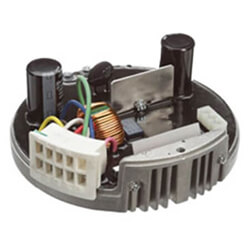
- Evergreen Motors: Evergreen replacement motors use ECM technology to swap directly into HVAC equipment that originally shipped with a standard PSC or multi-tap blower motor. The variable-speed control ramps output up or down to match airflow demand instead of running at a single fixed speed, which reduces the electrical draw over a full heating or cooling season. Contractors use these motors most often on furnace and air handler replacements where the original motor has failed or the equipment is being upgraded for efficiency.
- Panasonic WhisperWarm Ventilation Fans: WhisperWarm fans combine a ventilation fan with a built-in heater in a single bathroom ceiling unit, pulling moist air out while adding warmth during use. The ECM-driven fan motor runs quieter than a standard AC fan motor at comparable airflow, which matters in a small bathroom where fan noise is noticeable. Some models add an integrated light or night-light, letting one ceiling unit cover ventilation, heat, and lighting in a single install.
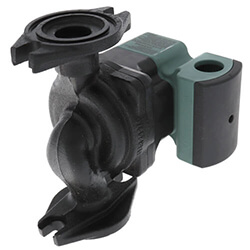
- Taco High Efficiency Pumps: Taco's high efficiency circulator pumps use ECM motors to move water through hydronic heating loops at the flow rate the system actually calls for, rather than running continuously at full speed. Variable-speed circulation lowers electrical draw on systems that cycle frequently or run long heating seasons, and it reduces the noise and vibration that a fixed-speed pump can transmit through piping. Replacing an older single-speed circulator with a variable-speed model is a common upgrade on boilers and radiant heating systems.
Buying Guide
Selecting an ECM product starts with matching it to the equipment it will run inside, since motor mounting, shaft size, and control wiring vary between a furnace blower, a circulator pump, and a ventilation fan. Cross-referencing the original part number or equipment model against the replacement's fitment list avoids an install that looks right but doesn't actually bolt in.
Variable-speed control is the core benefit of ECM technology, but it only pays off on equipment that runs for extended periods or cycles often, like a furnace blower during heating season or a circulator on a hydronic loop that runs most of the day. Equipment that runs briefly and infrequently sees a smaller efficiency gain from the upgrade.
Noise matters more in some installs than others. A ventilation fan going into a bathroom directly above a bedroom benefits from the lower operating noise an ECM motor typically delivers at low speed, while a utility room installation may not need that consideration weighed as heavily.
Control compatibility deserves a check before ordering. Some ECM motors take a simple on and off signal from existing equipment controls, while others need a specific control board or a wiring harness that isn't interchangeable with a standard motor. Verifying the control interface against the existing equipment prevents a return trip for the wrong wiring kit.
Electrical draw and heating or cooling season length work together to determine how quickly an ECM upgrade offsets its higher upfront cost. A unit that runs many hours a day for most of the year sees a faster return than one used only a few weeks each year, which is worth factoring into a replacement decision on equipment that isn't at the end of its service life yet.
Frequently Asked Questions
What does ECM stand for in an ECM motor?
ECM stands for electronically commutated motor. Unlike a standard AC motor that runs at one speed set by the incoming power frequency, an ECM uses an internal control board to vary its speed electronically based on the load it's driving.
Are ECM motors compatible with older HVAC equipment?
Many ECM replacement motors are built to bolt directly into equipment that originally used a PSC or multi-tap motor, matching the shaft size, mounting bracket, and horsepower range. Confirming the replacement motor's fitment against the equipment's model number before ordering avoids a mismatch in mounting or wiring.
Do ECM circulator pumps require special wiring?
Some ECM circulator pumps run on standard line voltage wiring similar to a fixed-speed pump, while others include a control input for a thermostat or zone valve signal. Checking the wiring diagram included with the specific pump model confirms which setup applies before installation begins.
How much quieter is an ECM ventilation fan compared to a standard fan?
The noise reduction varies by model and airflow setting, but ECM-driven fans generally run quieter than comparable AC fan motors at low and medium speeds because the motor doesn't need to run at full speed to move adequate air. Checking the manufacturer's published sound rating for a specific model gives an exact comparison.
Can an ECM motor be repaired, or does it need full replacement?
Most ECM motors are sold as sealed assemblies with the control board built in, so a failure typically calls for full motor replacement rather than a repair. Swapping in a new motor of the same specification restores normal operation without needing to replace the surrounding equipment.
Resources
Subcategories
- Evergreen Motors: Evergreen replacement motors use ECM technology to swap directly into HVAC equipment that originally shipped with a standard PSC or multi-tap blower motor. The variable-speed control ramps output up or down to match airflow demand instead of running at a single fixed speed, which reduces the electrical draw over a full heating or cooling season. Contractors use these motors most often on furnace and air handler replacements where the original motor has failed or the equipment is being upgraded for efficiency.
- Panasonic WhisperWarm Ventilation Fans: WhisperWarm fans combine a ventilation fan with a built-in heater in a single bathroom ceiling unit, pulling moist air out while adding warmth during use. The ECM-driven fan motor runs quieter than a standard AC fan motor at comparable airflow, which matters in a small bathroom where fan noise is noticeable. Some models add an integrated light or night-light, letting one ceiling unit cover ventilation, heat, and lighting in a single install.
- Taco High Efficiency Pumps: Taco's high efficiency circulator pumps use ECM motors to move water through hydronic heating loops at the flow rate the system actually calls for, rather than running continuously at full speed. Variable-speed circulation lowers electrical draw on systems that cycle frequently or run long heating seasons, and it reduces the noise and vibration that a fixed-speed pump can transmit through piping. Replacing an older single-speed circulator with a variable-speed model is a common upgrade on boilers and radiant heating systems.
Buying Guide
Selecting an ECM product starts with matching it to the equipment it will run inside, since motor mounting, shaft size, and control wiring vary between a furnace blower, a circulator pump, and a ventilation fan. Cross-referencing the original part number or equipment model against the replacement's fitment list avoids an install that looks right but doesn't actually bolt in.
Variable-speed control is the core benefit of ECM technology, but it only pays off on equipment that runs for extended periods or cycles often, like a furnace blower during heating season or a circulator on a hydronic loop that runs most of the day. Equipment that runs briefly and infrequently sees a smaller efficiency gain from the upgrade.
Noise matters more in some installs than others. A ventilation fan going into a bathroom directly above a bedroom benefits from the lower operating noise an ECM motor typically delivers at low speed, while a utility room installation may not need that consideration weighed as heavily.
Control compatibility deserves a check before ordering. Some ECM motors take a simple on and off signal from existing equipment controls, while others need a specific control board or a wiring harness that isn't interchangeable with a standard motor. Verifying the control interface against the existing equipment prevents a return trip for the wrong wiring kit.
Electrical draw and heating or cooling season length work together to determine how quickly an ECM upgrade offsets its higher upfront cost. A unit that runs many hours a day for most of the year sees a faster return than one used only a few weeks each year, which is worth factoring into a replacement decision on equipment that isn't at the end of its service life yet.
Frequently Asked Questions
What does ECM stand for in an ECM motor?
ECM stands for electronically commutated motor. Unlike a standard AC motor that runs at one speed set by the incoming power frequency, an ECM uses an internal control board to vary its speed electronically based on the load it's driving.
Are ECM motors compatible with older HVAC equipment?
Many ECM replacement motors are built to bolt directly into equipment that originally used a PSC or multi-tap motor, matching the shaft size, mounting bracket, and horsepower range. Confirming the replacement motor's fitment against the equipment's model number before ordering avoids a mismatch in mounting or wiring.
Do ECM circulator pumps require special wiring?
Some ECM circulator pumps run on standard line voltage wiring similar to a fixed-speed pump, while others include a control input for a thermostat or zone valve signal. Checking the wiring diagram included with the specific pump model confirms which setup applies before installation begins.
How much quieter is an ECM ventilation fan compared to a standard fan?
The noise reduction varies by model and airflow setting, but ECM-driven fans generally run quieter than comparable AC fan motors at low and medium speeds because the motor doesn't need to run at full speed to move adequate air. Checking the manufacturer's published sound rating for a specific model gives an exact comparison.
Can an ECM motor be repaired, or does it need full replacement?
Most ECM motors are sold as sealed assemblies with the control board built in, so a failure typically calls for full motor replacement rather than a repair. Swapping in a new motor of the same specification restores normal operation without needing to replace the surrounding equipment.