




Johnson Controls Parts
Johnson Controls parts cover the pneumatic and electronic control hardware used in commercial building automation and HVAC systems, including pneumatic switches, relays, and transducers that translate one type of signal into another.
Transmitters in this category sense a building variable such as temperature, humidity, or pressure and feed that reading into the larger control system. Facility technicians servicing pneumatic control systems rely on this category for the specific components that keep older building automation systems functioning.
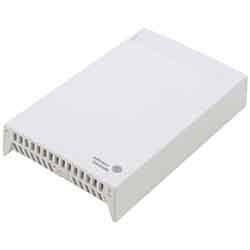
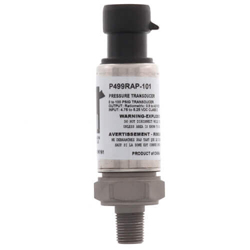
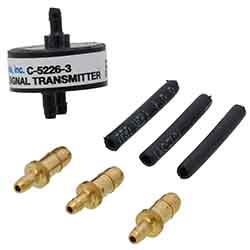
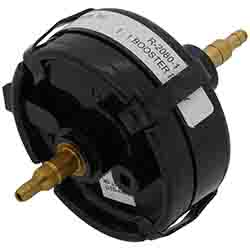
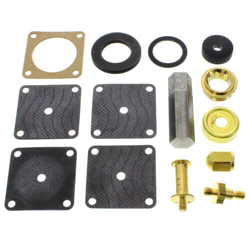

Subcategories
- Johnson Controls Miscellaneous Parts: Miscellaneous parts cover the pneumatic and electronic hardware that doesn't fall under switches, relays, transducers, or transmitters, including gauges, restrictors, and mounting hardware needed to finish a control panel repair. Building automation techs turn here when a service call needs a small companion part rather than a full control component.
- Johnson Controls Pneumatic Switches: Pneumatic switches take a branch-line air signal and use it to open or close an electrical circuit, commonly for staging equipment or triggering an alarm point at a set pressure. They fit older pneumatic control panels where a technician needs to add or replace a pressure-actuated switch without rewiring the whole panel.
- Johnson Controls Relays: Relays use a small pilot air volume in an input chamber to govern a larger air volume in a supply chamber, letting a low-capacity sensor operate high-capacity dampers or actuators. Controls technicians rely on these to amplify a weak signal into enough air volume to drive larger terminal equipment.
- Johnson Controls Transducers: Transducers convert one type of input signal into a different output type, such as an electric-pneumatic transducer that turns an electronic control signal into a proportional air pressure signal. They serve as the bridge point where a building's electronic control layer needs to operate legacy pneumatic actuators or valves.
- Johnson Controls Transmitters: Transmitters sense a variable such as temperature, humidity, or pressure and send a proportional signal, commonly 3 to 15 psig in pneumatic systems, back to a receiver or controller. Techs replace these when a control loop reads a sensed value inaccurately and the transmitter itself is out of calibration rather than the receiver.
Buying Guide
Confirming system type comes before ordering a part. These components largely support legacy pneumatic and hybrid pneumatic-electronic panels rather than pure DDC systems, so verifying which control layer is in place avoids ordering the wrong signal type.
Matching by the original tag or bulletin number works better than matching by function alone, since calibration ranges and psig outputs vary between models even within the same category.
Replacing a transmitter or transducer calls for checking the signal range, whether a pressure span, temperature span, or psig output, against what the downstream receiver or controller expects.
Relays and switches need their mounting pattern and port configuration checked against the existing panel layout to avoid re-piping tubing runs during a swap.
Keeping a small stock of miscellaneous parts, gauges, restrictors, and fittings alongside primary components helps close out a pneumatic panel repair in one trip, since these jobs often need a secondary part beyond the main component.
Frequently Asked Questions
What's the difference between a Johnson Controls transducer and a transmitter?
A transmitter senses a variable and sends out a proportional signal, while a transducer converts one signal type into another, such as an electric input into a pneumatic output. They serve different points in the same control loop rather than doing the same job.
Can a Johnson Controls pneumatic relay work with a low volume sensor?
Yes. A relay's design amplifies a small pilot signal into enough air volume to operate larger dampers or actuators, which is exactly the situation where a relay gets added to a control loop.
Do Johnson Controls pneumatic parts still work on modern building automation systems?
They support legacy pneumatic branch-line systems and hybrid panels where pneumatic actuators remain in place, which is still common in older commercial buildings going through a partial control upgrade rather than a full replacement.
How do I match a Johnson Controls part to an existing panel?
Matching by the original tag or bulletin number works better than matching by general function, since the psig range or calibration point can differ between parts that otherwise look identical.
What does a pneumatic switch do in a Johnson Controls panel?
It converts a branch-line air pressure signal into an electrical contact closure, commonly used to stage equipment or trigger an alarm point once pressure crosses a set threshold.
Resources
Subcategories
- Johnson Controls Miscellaneous Parts: Miscellaneous parts cover the pneumatic and electronic hardware that doesn't fall under switches, relays, transducers, or transmitters, including gauges, restrictors, and mounting hardware needed to finish a control panel repair. Building automation techs turn here when a service call needs a small companion part rather than a full control component.
- Johnson Controls Pneumatic Switches: Pneumatic switches take a branch-line air signal and use it to open or close an electrical circuit, commonly for staging equipment or triggering an alarm point at a set pressure. They fit older pneumatic control panels where a technician needs to add or replace a pressure-actuated switch without rewiring the whole panel.
- Johnson Controls Relays: Relays use a small pilot air volume in an input chamber to govern a larger air volume in a supply chamber, letting a low-capacity sensor operate high-capacity dampers or actuators. Controls technicians rely on these to amplify a weak signal into enough air volume to drive larger terminal equipment.
- Johnson Controls Transducers: Transducers convert one type of input signal into a different output type, such as an electric-pneumatic transducer that turns an electronic control signal into a proportional air pressure signal. They serve as the bridge point where a building's electronic control layer needs to operate legacy pneumatic actuators or valves.
- Johnson Controls Transmitters: Transmitters sense a variable such as temperature, humidity, or pressure and send a proportional signal, commonly 3 to 15 psig in pneumatic systems, back to a receiver or controller. Techs replace these when a control loop reads a sensed value inaccurately and the transmitter itself is out of calibration rather than the receiver.
Buying Guide
Confirming system type comes before ordering a part. These components largely support legacy pneumatic and hybrid pneumatic-electronic panels rather than pure DDC systems, so verifying which control layer is in place avoids ordering the wrong signal type.
Matching by the original tag or bulletin number works better than matching by function alone, since calibration ranges and psig outputs vary between models even within the same category.
Replacing a transmitter or transducer calls for checking the signal range, whether a pressure span, temperature span, or psig output, against what the downstream receiver or controller expects.
Relays and switches need their mounting pattern and port configuration checked against the existing panel layout to avoid re-piping tubing runs during a swap.
Keeping a small stock of miscellaneous parts, gauges, restrictors, and fittings alongside primary components helps close out a pneumatic panel repair in one trip, since these jobs often need a secondary part beyond the main component.
Frequently Asked Questions
What's the difference between a Johnson Controls transducer and a transmitter?
A transmitter senses a variable and sends out a proportional signal, while a transducer converts one signal type into another, such as an electric input into a pneumatic output. They serve different points in the same control loop rather than doing the same job.
Can a Johnson Controls pneumatic relay work with a low volume sensor?
Yes. A relay's design amplifies a small pilot signal into enough air volume to operate larger dampers or actuators, which is exactly the situation where a relay gets added to a control loop.
Do Johnson Controls pneumatic parts still work on modern building automation systems?
They support legacy pneumatic branch-line systems and hybrid panels where pneumatic actuators remain in place, which is still common in older commercial buildings going through a partial control upgrade rather than a full replacement.
How do I match a Johnson Controls part to an existing panel?
Matching by the original tag or bulletin number works better than matching by general function, since the psig range or calibration point can differ between parts that otherwise look identical.
What does a pneumatic switch do in a Johnson Controls panel?
It converts a branch-line air pressure signal into an electrical contact closure, commonly used to stage equipment or trigger an alarm point once pressure crosses a set threshold.