



'/%3E%3C/svg%3E)
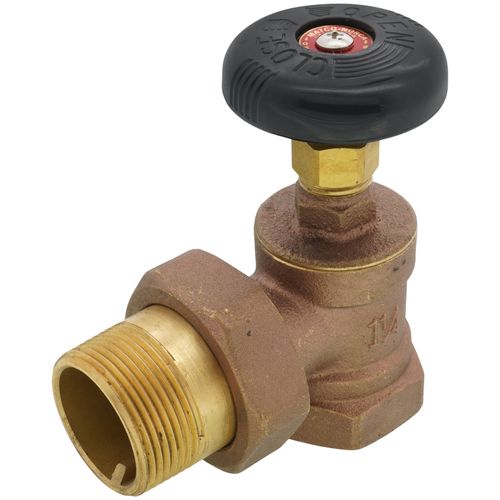
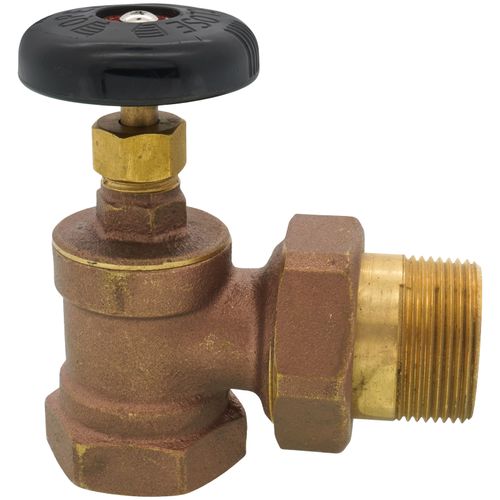
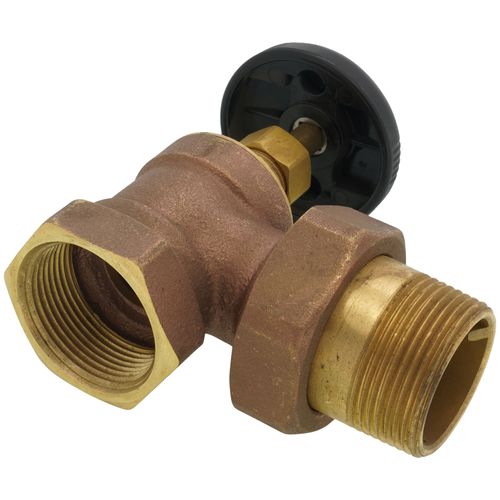
1-1/4" (FIP x Male Union) Hot Water Angle Radiator Valve, AHV-1250
 --%3E %3Csvg version='1.1' id='Fill' xmlns='http://www.w3.org/2000/svg' xmlns:xlink='http://www.w3.org/1999/xlink' x='0px' y='0px' viewBox='0 0 100 100' enable-background='new 0 0 100 100' xml:space='preserve'%3E %3Cpath fill='%23F15C02' d='M79.44,0.95H20.56C9.78,0.95,0.95,9.78,0.95,20.56v58.87c0,10.79,8.82,19.61,19.61,19.61h58.87 c10.79,0,19.61-8.83,19.61-19.61V20.56C99.05,9.78,90.22,0.95,79.44,0.95z M65.38,58.24l9.38,29.58L49.69,69.78L24.5,87.82 l9.34-29.6L8.8,39.6l30.73-0.17c0,0,6.98-19.61,10-28.93c0.54,1.36,9.88,29.1,9.88,29.1H91.2L65.38,58.24z'/%3E %3C/svg%3E)
 --%3E %3Csvg version='1.1' id='Half' xmlns='http://www.w3.org/2000/svg' xmlns:xlink='http://www.w3.org/1999/xlink' x='0px' y='0px' viewBox='0 0 100 100' enable-background='new 0 0 100 100' xml:space='preserve'%3E %3Cg%3E %3Cpath fill='%23F15C02' d='M30.05,70.23l3.79-12.01L8.8,39.6l30.73-0.17c0,0,6.98-19.61,10-28.93c0.54,1.36,9.88,29.1,9.88,29.1h1.58 L93.71,7.18c-3.58-3.82-8.66-6.23-14.28-6.23H20.56C9.78,0.95,0.95,9.78,0.95,20.56v58.87c0,5.41,2.22,10.32,5.79,13.88 L30.05,70.23z'/%3E %3C/g%3E %3Cpath fill='%23FBC8B4' d='M93.71,7.18L60.98,39.6H91.2L65.38,58.24l9.38,29.58L49.69,69.78L24.5,87.82l5.55-17.59L6.75,93.32 c3.55,3.54,8.44,5.73,13.82,5.73h58.87c10.79,0,19.61-8.83,19.61-19.61V20.56C99.05,15.4,97.01,10.69,93.71,7.18z'/%3E %3C/svg%3E)


MANUALS (1)
Product Highlights


Specs
| Size: | 1-1/4" |
|---|---|
| Type: | Hot Water Angle Radiator Valve |
| Body Pattern: | Angle |
| Material: | Brass |
| Application: | Heating |

Questions?
Product Reviews
Most Liked Positive Review
I would buy it again. Lifesaver.
Most Liked Negative Review
 --%3E %3Csvg version='1.1' id='With-RB' xmlns='http://www.w3.org/2000/svg' xmlns:xlink='http://www.w3.org/1999/xlink' x='0px' y='0px' viewBox='0 0 100 100' enable-background='new 0 0 100 100' xml:space='preserve'%3E %3Cpath fill='%23FBC8B4' d='M79.44,0.95H20.56C9.78,0.95,0.95,9.78,0.95,20.56v58.87c0,10.79,8.82,19.61,19.61,19.61h58.87 c10.79,0,19.61-8.83,19.61-19.61V20.56C99.05,9.78,90.22,0.95,79.44,0.95z M65.38,58.24l9.38,29.58L49.69,69.78L24.5,87.82 l9.34-29.6L8.8,39.6l30.73-0.17c0,0,6.98-19.61,10-28.93c0.54,1.36,9.88,29.1,9.88,29.1H91.2L65.38,58.24z'/%3E %3C/svg%3E)
Installation problem
I will buy this product again
One major issue
Product was very good quality
On time
Works like a charm
Good product
Exactly what I needed.
Great deal? I will be buying more valves to replace the old.
Hot water angle valve
Nominal Quality
Product Q&A
3 QuestionsQ: Does this valve fully shut-off flow when closed or does it have a by-pass? By-passes are typical on many hot water radiator valves.
Asked by Stephen 13 years ago
Add your answer
Stephen: Before I installed it on my radiator, I believe I looked down into it, and it closed completely when turned into the " off " position. For my application, it actually serves as a redundant valve, because I have a PEX manifold that has an individual shutoff valve for this branch. So the brass valve is almost for show only! I did find that I needed a very small and narrow-jawed adjustable wrench to apply a back hold on the smooth brass you see on the horizontal pipe in the picture. Sent from my iPad
It fully shuts off. Sent from my iPhone
No, there is no bypass - it can shut off completely. This controls how much water goes into the hot water radiator. In my house, the main circulating pipe (one-pipe system) goes under the room and comes up to each radiator, where this valve is. If this valve is off, the "bypass" is through the main pipe.
Most hot water valves DO have a bypass hole somewhere (this prevented radiators and pipes from freezing when a room's heat was shut off). According to the diagram, this valve also has a small hole drilled between sides 'for hot water use'. It is about the diameter of a paper clip.
I recently bought these and they do have a small bypass hole
As per the manufacturer spec sheet, there is a hole drilled in the valve seat for hot water use.
Q: Are the union nut and tailpiece included with the valve as shown
Asked by 16 years ago
Add your answer
Verified Reply- PexSupply StaffYes, both the union nut and tailpiece are included with this valve.
Q: Do you have a tool for tightening the union half in the radiator. Thank You John
Asked by 16 years ago
Add your answer
Verified Reply- PexSupply StaffYou do not need a special tool to tighten the union on this radiator valve. A standard wrench would work perfectly fine.
A .875" maximum opening slip jaw plyers worked for me, barely. They were narrow enough to clear between union nut and bushings on the radiator. I reviewed this product and gave it a low mark for design, it's as if those who designed and built it never had to turn a wrench and actually install one! How typical!
Yes, sometimes called spud wrench or nipple wrench
You use a radiator nipple (spud) wrench. You are NOT supposed to use pliers or a pipe wrench on the nipple itself...the nipple is splined on the inside to catch the mating splines of the spud wrench. Then you apply a crescent wrench to the square head of the spud wrench. Easy. Plenty of torque, and won't make ugly gouge marks in the soft metal of the nipple. Even the 100 year old nipples on my radiators have these splines...this is nothing new. The spud wrench is available on this same page.