




Multi-Zone Mini Splits
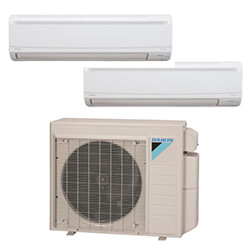
Multi-zone mini splits connect one outdoor condensing unit to several indoor air handlers, letting a contractor heat and cool multiple rooms or zones independently without running ductwork. Each indoor unit can be set to its own temperature, which makes the system a common fit for additions, converted spaces, and buildings where duct installation is impractical.
Sizing a multi-zone system means balancing the total capacity of the outdoor unit against the combined demand of every connected indoor unit, since running all zones at once draws differently than running just one. Contractors also plan refrigerant line routing between the outdoor unit and each indoor head before finalizing equipment placement.



Subcategories
- Flex Multi-Split Ductless Air Conditioners: Flex multi-split systems allow a contractor to combine indoor units of different types and capacities on a single outdoor condenser, offering flexibility when a project needs a mix of wall mounted, ceiling cassette, or other indoor unit styles. This flexibility helps match each room's layout to the best suited indoor unit. Installers plan refrigerant line lengths carefully since flex systems often support longer total line runs across multiple zones.
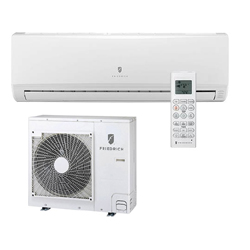
- Friedrich Multi Zone Mini Split Air Conditioners: Friedrich's multi zone lineup pairs a single outdoor condenser with multiple indoor air handlers for independent zone control. Contractors specify this line when a project calls for a specific manufacturer's warranty and parts support alongside multi-zone capability. Indoor unit options typically include wall mounted styles suited to a range of room sizes.
- Multi Zone Mini Split Ductless Air Conditioners: This general multi zone category covers ductless systems built to run two or more indoor units off one outdoor condenser for independent temperature control in each zone. Contractors use these systems in additions, renovated spaces, and buildings where extending ductwork is not practical. Zone count and total capacity both need to match the specific project's layout.
- VFH Interflex Multi Zone Heat Pumps: VFH Interflex multi zone heat pumps provide both heating and cooling from a single outdoor unit connected to multiple indoor heads, making them suited to climates with cold winters as well as warm summers. Contractors specify heat pump versions over air conditioner only systems when year round temperature control is needed. Sizing follows the same multi-zone capacity planning as other systems in this category.
Buying Guide
Total zone count and combined indoor unit capacity need to stay within the outdoor unit's rated range. Exceeding the manufacturer's maximum combined capacity, even if each individual indoor unit is properly sized, can lead to poor performance across all zones when several run at once.
Heat pump versus cooling only equipment depends on the climate and heating needs of the building. A heat pump multi-zone system provides both heating and cooling from the same equipment, while a cooling only system needs a separate heat source, which matters most in climates with cold winters.
Indoor unit style should match the room it serves. Wall mounted units suit most bedrooms and living spaces, while ceiling cassettes or ducted indoor units work better in rooms where a wall mounted unit would not fit the layout or aesthetic preferences of the space.
Refrigerant line length and routing between the outdoor unit and each indoor head affect both installation complexity and system performance. Longer total line runs across multiple zones can reduce efficiency, so planning equipment placement to minimize line length helps the system perform as designed.
Manufacturer compatibility matters when mixing indoor unit types on one outdoor condenser. Systems marketed as flex multi-split are built to support mixed indoor unit styles, while some manufacturer lines expect matched indoor units, so confirming compatibility before ordering prevents a mismatched system.
Frequently Asked Questions
How many indoor units can connect to one multi-zone outdoor unit?
The number of indoor units a multi-zone outdoor unit supports varies by manufacturer and model, typically ranging from two to eight zones. The combined capacity of all connected indoor units must stay within the outdoor unit's rated maximum.
Can different types of indoor units be mixed on the same multi-zone system?
Some multi-zone systems, often marketed as flex multi-split, are designed to support a mix of indoor unit styles such as wall mounted and ceiling cassette units on one outdoor condenser. Other manufacturer lines expect matched indoor units, so checking compatibility first is important.
What is the difference between a multi-zone air conditioner and a multi-zone heat pump?
A multi-zone air conditioner only provides cooling and needs a separate heating source, while a multi-zone heat pump provides both heating and cooling from the same outdoor unit. Heat pump systems are the better fit for climates with cold winters.
Why does refrigerant line length matter on a multi-zone install?
Longer refrigerant line runs between the outdoor unit and each indoor head can reduce system efficiency and affect performance. Planning equipment placement to keep line lengths within the manufacturer's recommended range helps the system run as intended.
Can each zone in a multi-zone system be set to a different temperature?
Yes, each indoor unit in a multi-zone system operates independently, allowing different rooms or zones to be set to different temperatures at the same time. This is one of the main advantages over a single zone ducted system.
Resources
Subcategories
- Flex Multi-Split Ductless Air Conditioners: Flex multi-split systems allow a contractor to combine indoor units of different types and capacities on a single outdoor condenser, offering flexibility when a project needs a mix of wall mounted, ceiling cassette, or other indoor unit styles. This flexibility helps match each room's layout to the best suited indoor unit. Installers plan refrigerant line lengths carefully since flex systems often support longer total line runs across multiple zones.
- Friedrich Multi Zone Mini Split Air Conditioners: Friedrich's multi zone lineup pairs a single outdoor condenser with multiple indoor air handlers for independent zone control. Contractors specify this line when a project calls for a specific manufacturer's warranty and parts support alongside multi-zone capability. Indoor unit options typically include wall mounted styles suited to a range of room sizes.
- Multi Zone Mini Split Ductless Air Conditioners: This general multi zone category covers ductless systems built to run two or more indoor units off one outdoor condenser for independent temperature control in each zone. Contractors use these systems in additions, renovated spaces, and buildings where extending ductwork is not practical. Zone count and total capacity both need to match the specific project's layout.
- VFH Interflex Multi Zone Heat Pumps: VFH Interflex multi zone heat pumps provide both heating and cooling from a single outdoor unit connected to multiple indoor heads, making them suited to climates with cold winters as well as warm summers. Contractors specify heat pump versions over air conditioner only systems when year round temperature control is needed. Sizing follows the same multi-zone capacity planning as other systems in this category.
Buying Guide
Total zone count and combined indoor unit capacity need to stay within the outdoor unit's rated range. Exceeding the manufacturer's maximum combined capacity, even if each individual indoor unit is properly sized, can lead to poor performance across all zones when several run at once.
Heat pump versus cooling only equipment depends on the climate and heating needs of the building. A heat pump multi-zone system provides both heating and cooling from the same equipment, while a cooling only system needs a separate heat source, which matters most in climates with cold winters.
Indoor unit style should match the room it serves. Wall mounted units suit most bedrooms and living spaces, while ceiling cassettes or ducted indoor units work better in rooms where a wall mounted unit would not fit the layout or aesthetic preferences of the space.
Refrigerant line length and routing between the outdoor unit and each indoor head affect both installation complexity and system performance. Longer total line runs across multiple zones can reduce efficiency, so planning equipment placement to minimize line length helps the system perform as designed.
Manufacturer compatibility matters when mixing indoor unit types on one outdoor condenser. Systems marketed as flex multi-split are built to support mixed indoor unit styles, while some manufacturer lines expect matched indoor units, so confirming compatibility before ordering prevents a mismatched system.
Frequently Asked Questions
How many indoor units can connect to one multi-zone outdoor unit?
The number of indoor units a multi-zone outdoor unit supports varies by manufacturer and model, typically ranging from two to eight zones. The combined capacity of all connected indoor units must stay within the outdoor unit's rated maximum.
Can different types of indoor units be mixed on the same multi-zone system?
Some multi-zone systems, often marketed as flex multi-split, are designed to support a mix of indoor unit styles such as wall mounted and ceiling cassette units on one outdoor condenser. Other manufacturer lines expect matched indoor units, so checking compatibility first is important.
What is the difference between a multi-zone air conditioner and a multi-zone heat pump?
A multi-zone air conditioner only provides cooling and needs a separate heating source, while a multi-zone heat pump provides both heating and cooling from the same outdoor unit. Heat pump systems are the better fit for climates with cold winters.
Why does refrigerant line length matter on a multi-zone install?
Longer refrigerant line runs between the outdoor unit and each indoor head can reduce system efficiency and affect performance. Planning equipment placement to keep line lengths within the manufacturer's recommended range helps the system run as intended.
Can each zone in a multi-zone system be set to a different temperature?
Yes, each indoor unit in a multi-zone system operates independently, allowing different rooms or zones to be set to different temperatures at the same time. This is one of the main advantages over a single zone ducted system.