




'/%3E%3C/svg%3E)
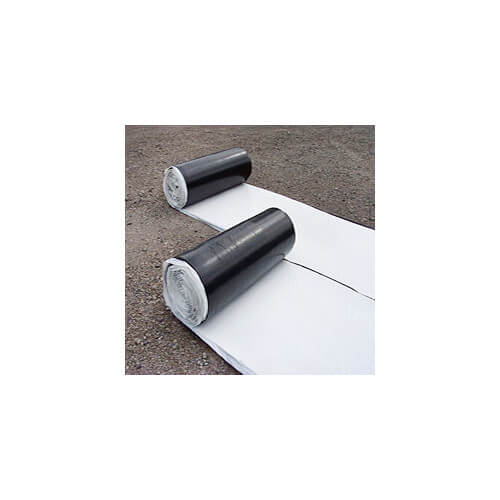
3/8" x 4' x 60' Thick The Barrier Insulation (3mil Blk/3mil Blk)
 --%3E %3Csvg version='1.1' id='Fill' xmlns='http://www.w3.org/2000/svg' xmlns:xlink='http://www.w3.org/1999/xlink' x='0px' y='0px' viewBox='0 0 100 100' enable-background='new 0 0 100 100' xml:space='preserve'%3E %3Cpath fill='%23F15C02' d='M79.44,0.95H20.56C9.78,0.95,0.95,9.78,0.95,20.56v58.87c0,10.79,8.82,19.61,19.61,19.61h58.87 c10.79,0,19.61-8.83,19.61-19.61V20.56C99.05,9.78,90.22,0.95,79.44,0.95z M65.38,58.24l9.38,29.58L49.69,69.78L24.5,87.82 l9.34-29.6L8.8,39.6l30.73-0.17c0,0,6.98-19.61,10-28.93c0.54,1.36,9.88,29.1,9.88,29.1H91.2L65.38,58.24z'/%3E %3C/svg%3E)
 --%3E %3Csvg version='1.1' id='Half' xmlns='http://www.w3.org/2000/svg' xmlns:xlink='http://www.w3.org/1999/xlink' x='0px' y='0px' viewBox='0 0 100 100' enable-background='new 0 0 100 100' xml:space='preserve'%3E %3Cg%3E %3Cpath fill='%23F15C02' d='M30.05,70.23l3.79-12.01L8.8,39.6l30.73-0.17c0,0,6.98-19.61,10-28.93c0.54,1.36,9.88,29.1,9.88,29.1h1.58 L93.71,7.18c-3.58-3.82-8.66-6.23-14.28-6.23H20.56C9.78,0.95,0.95,9.78,0.95,20.56v58.87c0,5.41,2.22,10.32,5.79,13.88 L30.05,70.23z'/%3E %3C/g%3E %3Cpath fill='%23FBC8B4' d='M93.71,7.18L60.98,39.6H91.2L65.38,58.24l9.38,29.58L49.69,69.78L24.5,87.82l5.55-17.59L6.75,93.32 c3.55,3.54,8.44,5.73,13.82,5.73h58.87c10.79,0,19.61-8.83,19.61-19.61V20.56C99.05,15.4,97.01,10.69,93.71,7.18z'/%3E %3C/svg%3E)
 --%3E %3Csvg version='1.1' id='With-RB' xmlns='http://www.w3.org/2000/svg' xmlns:xlink='http://www.w3.org/1999/xlink' x='0px' y='0px' viewBox='0 0 100 100' enable-background='new 0 0 100 100' xml:space='preserve'%3E %3Cpath fill='%23FBC8B4' d='M79.44,0.95H20.56C9.78,0.95,0.95,9.78,0.95,20.56v58.87c0,10.79,8.82,19.61,19.61,19.61h58.87 c10.79,0,19.61-8.83,19.61-19.61V20.56C99.05,9.78,90.22,0.95,79.44,0.95z M65.38,58.24l9.38,29.58L49.69,69.78L24.5,87.82 l9.34-29.6L8.8,39.6l30.73-0.17c0,0,6.98-19.61,10-28.93c0.54,1.36,9.88,29.1,9.88,29.1H91.2L65.38,58.24z'/%3E %3C/svg%3E)
' fill='%23F15C02' d='M49 0C21.938 0 0 21.938 0 49s21.938 49 49 49 49-21.938 49-49S76.062 0 49 0m0 82.709a7.54 7.54 0 1 1 0-15.08 7.54 7.54 0 0 1 0 15.08m7.54-28.412a7.541 7.541 0 0 1-15.08 0V22.831a7.54 7.54 0 0 1 15.08 0v31.466z'/%3E%3C/svg%3E)
MANUALS (1)

Product Highlights


Description
Specs
| Length (Feet): | 60' |
|---|---|
| Width: | 4 ft. |
| Height: | 3/8" |
| Length: | 60 ft. |
| Application: | Heating Radiant Heat |
| R-Value: | 4 |
| Material: | Polystyrene |


Questions?
Product Reviews
Excellent barrier

Easy to handle, Easy to install.
Great Barrier
good product
dont waste your time
Product Q&A
5 QuestionsQ: is this really what I need or could I just use plastic and staple the seams?
Asked by tom 13 years ago
Add your answer
Just staple. Sent from my iPhone
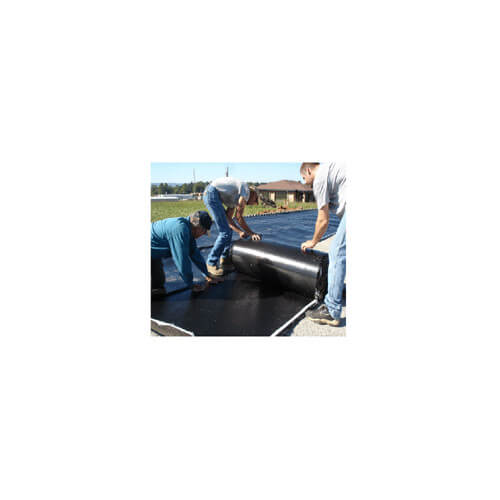
The Barrier insulation is easy to install and fast. The tape seems and layers for vapor barrier and insulation, allows for instalation in the wind and few people needed.
Q: what is the r-value of this material?
Asked by Anonymous 15 years ago
Add your answer
Verified Reply- PexSupply StaffPlease refer to page 2 of link the link below. http://www.nofp.com/barrier-sales.pdf
R4.
Q: It sounds as if this product will replace putting 2' rigid foam board under the pex when heating my driveway. Or under the slab in my garage. Is this true? or is it just a super vapour barrier.
Asked by Anonymous 15 years ago
Add your answer
It does both, it has an R value and heat radiates upwards so not much insulation is required for the purpose described. Its been 2 or 3 yrs now since I built and all works well and I live in central canada. Cheers Stever Sent from my BlackBerry device on the Rogers Wireless Network
Yes, It is both an insulator and vapor barrier. It's much easier to install than rigid foam board. Bob Bogert Alpine Air Heating & Air Conditioning, LLC
Yes. Do not used rigid foam. That is a nightmare. Use this product and wire mesh. 3300 sqft basement done in 2 days with 3 guys. Thanks, Jason
This will not have the R-value of 2 inch rigid foam, but will be much easier to use. It's like a thick styrofoam cup that's flexable. I used it as a vapor barrier and insulation both. Sent from my iPhone
Not sure if I would use it to replace 2" foam.... But I used it under a basement floor where we couldn't add the 2" foam for height reasons. It worked out great and the floor performs as normal. Marc Gallardo
I have used this product in both 3/8" and 1-1/4" thickness. In my opinion, it is easier, faster, and a better vapor barrior than foam board. It doesn't break when walking on it to lay tubing. The 3/8" has about the same R value as one inch foam board, but will not have the small gaps that I find are unavoidable with foam. I use the 3/8 on lower temp applications like a garage and the 1-1/4 for living space. Bigshrub
I can't speak to heating a driveway, but for me, I still used plastic sheeting, and 1" rigid foam board underneath the Barrier Product in the garage. I just wanted to be sure I got maximum insulation quality. As I understand it though, you technically shouldn't need anything else besides the Barrier Product. Hope that helps. *David Anderson*
We used it under our slab for our winery. We have radiant floor heat and as far as we can tell everything is working perfectly. We taped the seams and sealed it up. It worked well and I would recommend it. Jim
I bought it for the insulation factor and placed it under the garage floor. But the heat isn't installed yet so I can’t say for sure how it will work.
I used it under my shop floor, 50 x 60, I live on the Oregon coast, it only freezes a few times a year but is cold and rainy all winter. No way could I afford to put 2" foam down so I used this product, I suppose it is just a super vapor barrier, but instead of one piece of plastic it is two pieces w/ 3/8" foam inbetween, way better than a plain vapor barrier, I like my heated floor but really have nothing to compare to as Ihave never used the 2" foam .
Q: I have a cabin with a 24" crawl space underneath. The cabin is old and I plan to install a new layer of floor plywood over the existing old plywood floor before I install the finished floor materials. I would like to lay THE 3/8"x4'x60' Barrier Insulation betwween the two layers of plywood to keep moisture out and also add to the insulation value of the floor. I do not intend to use radiant heating, I just wish to seal and insulate the cabin's living space from the area below. Are there any problems with using this material for this application?
Asked by Mr. H 15 years ago
Add your answer
Verified Reply- PexSupply StaffThere would not be any problem with this application.
This might help a little Mr. H Wood Floor Insulation Creating and maintaining a vapor barrier is important for any floor, but a wood floor is especially susceptible to water damage. Unfaced batts are the best idea because, while you can use faced batts, this type of insulation is harder to keep up and doesn't have rigid ends. Any loss of integrity will break the vapor barrier and make your wood floor insulation and the floor itself vulnerable to ground moisture. The batting can be held in place with thin metal rods, called lightening rods. Spacing the rods every 18 inches are the easiest way to hold your insulation in place. You can use plywood or lattice boards, but this will cost more for only slightly better performance. You can also use netting, but this can be a lot of work. Read more: http://www.servicemagic.com/article.show.Insulating-Under-a-Wood-Floor.11081.html#ixzz1bo44ysqx
Q: is this product ok for under the slab in a garage, under the wire mesh and the pex over that?
Asked by Dondo 15 years ago
Add your answer
Verified Reply- PexSupply StaffYes, it is.