




Filters
SORT
Product Availability –
Review Score –
 --%3E %3Csvg version='1.1' id='Fill' xmlns='http://www.w3.org/2000/svg' xmlns:xlink='http://www.w3.org/1999/xlink' x='0px' y='0px' viewBox='0 0 100 100' enable-background='new 0 0 100 100' xml:space='preserve'%3E %3Cpath fill='%23F15C02' d='M79.44,0.95H20.56C9.78,0.95,0.95,9.78,0.95,20.56v58.87c0,10.79,8.82,19.61,19.61,19.61h58.87 c10.79,0,19.61-8.83,19.61-19.61V20.56C99.05,9.78,90.22,0.95,79.44,0.95z M65.38,58.24l9.38,29.58L49.69,69.78L24.5,87.82 l9.34-29.6L8.8,39.6l30.73-0.17c0,0,6.98-19.61,10-28.93c0.54,1.36,9.88,29.1,9.88,29.1H91.2L65.38,58.24z'/%3E %3C/svg%3E)
Price Range –
Nordyne Drain Pans

 --%3E %3Csvg version='1.1' id='No-RB' xmlns='http://www.w3.org/2000/svg' xmlns:xlink='http://www.w3.org/1999/xlink' x='0px' y='0px' viewBox='0 0 100 100' enable-background='new 0 0 100 100' xml:space='preserve'%3E %3Cpath fill='%23CECECE' d='M79.44,0.95H20.56C9.78,0.95,0.95,9.78,0.95,20.56v58.87c0,10.79,8.82,19.61,19.61,19.61h58.87 c10.79,0,19.61-8.83,19.61-19.61V20.56C99.05,9.78,90.22,0.95,79.44,0.95z M65.38,58.24l9.38,29.58L49.69,69.78L24.5,87.82 l9.34-29.6L8.8,39.6l30.73-0.17c0,0,6.98-19.61,10-28.93c0.54,1.36,9.88,29.1,9.88,29.1H91.2L65.38,58.24z'/%3E %3C/svg%3E)
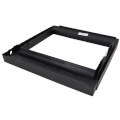

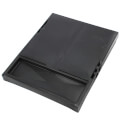
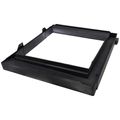


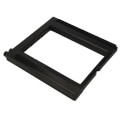
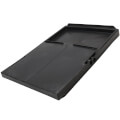

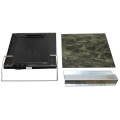
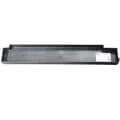
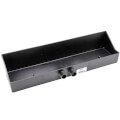
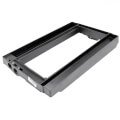




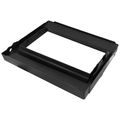
Nordyne drain pans are secondary condensate collection trays designed to fit beneath Nordyne air handlers, furnaces, and coil cabinets, catching overflow or leaked condensate before it can reach finished living space or a mechanical room floor. Nordyne equipment, sold under related Nortek brands, relies on a primary condensate line to carry moisture away from the evaporator coil, and a secondary pan acts as a backup when that line clogs or the coil ices over. Most pans are molded from galvanized steel or durable plastic and sized to match a specific cabinet width, so a technician needs the correct model number rather than a generic universal pan. Many jurisdictions require a secondary pan or float switch on any air handler installed in an attic or over finished space, which keeps these pans in steady demand for both new installs and replacements after a pan cracks or rusts through.
Subcategories
- Furnace Drain Pans: Furnace drain pans sit beneath gas or electric furnaces that pair with an add-on cooling coil, catching condensate produced during the cooling season. Contractors typically match the pan to the furnace cabinet's width and depth so it seats flush without gaps at the corners. A cracked or undersized pan is one of the most common reasons a homeowner calls about a water stain on the ceiling below a mechanical closet. These pans usually include a threaded or push-fit drain connection sized for standard condensate tubing.
- Air Handler Drain Pans: Air handler drain pans are built specifically for Nordyne air handler cabinets rather than furnaces, since the two enclosures use different footprints and mounting points. Because air handlers produce condensate year-round in humid climates, the pan sees more continuous exposure to standing water than a furnace pan does. Techs should check pan pitch during installation since a pan installed out of level lets water pool in one corner instead of draining to the outlet. Replacement pans are typically ordered by the air handler's model or serial number to confirm a proper fit.
- Coil Cabinet Drain Pans: Coil cabinet drain pans mount underneath a standalone evaporator coil section installed downstream of a furnace, common in split-system setups. These pans catch primary condensate directly off the coil before it reaches the main trunk line, making pan material and coating especially important since they sit in near-constant contact with moisture. Galvanized steel pans typically include a corrosion-resistant coating, while plastic pans resist rust entirely but can become brittle in unconditioned attic spaces over time. Matching the coil cabinet's exact width keeps the pan from shifting or leaving gaps once set in place.
- Universal Fit Pans: Universal fit pans are trimmable or adjustable-width pans that a contractor can cut down to match cabinets when the exact factory replacement isn't available or is back-ordered. They typically ship oversized with scored trim lines and a repositionable drain fitting so one part number can cover several cabinet widths. These pans buy contractors flexibility on a service call but are usually a stopgap rather than a first choice against a factory-matched pan. Checking local code before installing a universal pan matters, since some jurisdictions specify pan depth and drain connection requirements for secondary containment.
Buying Guide
Choosing the right drain pan starts with matching it to the exact equipment rather than picking by pan size alone. Pull the model and serial number off the Nordyne unit's data plate before ordering, since cabinet widths can look similar between furnace and air handler lines but use different mounting lips and drain locations. Confirm whether the equipment needs a pan for primary condensate collection, secondary overflow protection, or both, because some installations require a pan under the coil as well as one under the full cabinet.
Material matters for longevity. Galvanized steel pans hold up well in conditioned mechanical rooms but can corrode faster in humid crawlspaces or unvented attics, where a plastic pan often lasts longer without rusting through. Whichever material is chosen, check that the drain outlet size matches the existing condensate line so no adapter fitting is needed at the connection.
Nordyne drain pans should always be installed level, since even a slight pitch away from the drain outlet lets water collect in a corner and can eventually overflow the pan's edge. Pair a new pan with a float switch where local code allows or requires one, since a switch shuts down the system before an undetected leak causes water damage. For attic or over-ceiling installations, this combination of a properly sized pan and a working switch is usually the difference between a nuisance clog and a costly repair.
Frequently Asked Questions
What's the difference between a primary and secondary drain pan on Nordyne equipment?
A primary pan sits directly under the evaporator coil and catches the normal condensate produced during every cooling cycle, feeding it into the main drain line. A secondary pan sits underneath the entire air handler or furnace cabinet and only fills if the primary line clogs, the coil overflows, or condensate bypasses the first pan. Code in many areas requires a secondary pan whenever the equipment sits in an attic, above a ceiling, or anywhere a leak could damage the space below.
Can a universal drain pan replace a factory Nordyne pan?
A trimmable universal pan can work as a temporary or budget fix when the exact factory part isn't available, but it needs to be cut and fitted carefully to avoid gaps at the cabinet edges. Because universal pans use a repositionable drain fitting, double-check that the outlet lines up with the existing condensate line before final installation. A factory-matched pan is still the more reliable long-term choice since it's built to the cabinet's exact dimensions.
How do I know which pan size fits a Nordyne unit?
Check the model and serial number on the equipment's data plate and cross-reference it against the manufacturer's parts breakdown, since cabinet width varies between furnace, air handler, and coil-only configurations. Measuring the existing pan's length, width, and drain location before ordering also helps confirm a correct match. Ordering by model number rather than by pan dimensions alone avoids a pan that looks close but doesn't seat flush.
Should a float switch be installed with the drain pan?
Pairing a float switch with the secondary pan is standard practice and required by code in many areas for attic and over-ceiling installations. The switch shuts the system down as soon as water in the pan reaches a set level, stopping the leak before it overflows the pan and reaches the space below. It's a low-cost addition that can prevent a much larger water-damage repair.
What causes a Nordyne drain pan to fail?
Galvanized steel pans typically fail from rust after years of standing condensate, especially in humid or poorly ventilated spaces, while plastic pans can crack from age, physical impact, or extreme temperature swings in an attic. A pan installed out of level also wears unevenly since water pools in one section instead of draining fully. Regular visual inspection during seasonal maintenance calls catches most failing pans before they leak.
