




Nordyne Motors
Nordyne Motors covers the blower, condenser fan, and inducer motors built for equipment sold under the Nordyne family of brands. That equipment includes furnaces, air handlers, and condensing units found in many residential and manufactured-housing installations. Contractors turn to this category when a Nordyne-built system needs a direct-fit motor replacement rather than a generic cross-reference part.
The lineup separates motors by function. Blower motors move conditioned air through the ductwork. Condenser fan motors cool the outdoor unit's coil. Inducer motors vent combustion gases from gas furnaces. Matching the correct motor type to the failed component keeps a repair limited to a single part rather than a broader system rebuild.


Subcategories
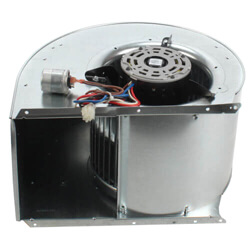
- Blower Motors: Blower Motors covers the indoor motors responsible for circulating air across the furnace or air handler's coil and out through the supply ductwork. These motors come in multiple horsepower and speed configurations to match the equipment's designed airflow. A failed blower motor typically shows up as reduced airflow, a system that won't distribute heat evenly, or a unit that runs but doesn't push air.
- Condenser Fan Motors: Condenser Fan Motors covers the outdoor motors that draw air across the condensing unit's coil to reject heat during cooling operation. A failing condenser fan motor often causes the outdoor unit to run hot, trip on high-pressure protection, or shut down on a compressor overload. These motors are sized by horsepower, RPM, and shaft configuration to match the outdoor unit's fan blade.
- Inducer Motors: Inducer Motors covers the draft inducer assemblies used on gas furnaces to vent combustion byproducts safely before and during burner operation. These motors work together with a pressure switch that confirms adequate airflow before allowing ignition. A failed inducer motor commonly prevents a furnace from starting at all, since the pressure switch won't close without proper draft.
Buying Guide
Replacing a Nordyne motor starts with confirming which of the three motor types the failed component is. Blower, condenser fan, and inducer motors aren't interchangeable, even within the same piece of equipment. The equipment's model and serial number, combined with the failed part's physical location, narrows down the correct replacement quickly.
Horsepower, voltage, and RPM need to match the original motor's nameplate. Do not estimate them from the equipment's overall tonnage or BTU rating, since a single furnace or condensing unit model can ship with more than one motor variant depending on production date. Pulling the motor's nameplate before ordering avoids installing an underpowered or mismatched replacement.
Condenser fan motor replacement also calls for matching the fan blade's mounting configuration and rotation direction. A fan blade turning the wrong way moves noticeably less air across the coil. Confirming shaft diameter and length alongside rotation direction keeps the fan blade properly secured and spinning the correct way.
Inducer motor replacement should account for the pressure switch's calibrated airflow range. Installing an inducer motor with a different CFM output than the original can prevent the pressure switch from closing during startup. Cross-referencing the inducer assembly as a full unit, rather than swapping the motor in isolation, helps keep the pressure switch and motor working within the same calibrated range.
For any of the three motor types, checking the part number against the failed motor's nameplate remains the most reliable way to confirm a proper fit before ordering a replacement.
Frequently Asked Questions
How do I tell a blower motor from a condenser fan motor?
A blower motor sits inside the furnace or air handler cabinet and drives a squirrel-cage wheel that pushes air through the ductwork. A condenser fan motor is mounted in the outdoor unit and turns a propeller-style fan blade that pulls air across the condensing coil. Their mounting location within the system is the clearest way to tell them apart.
What causes an inducer motor to fail?
Inducer motors run every heating cycle and are exposed to condensation and combustion byproducts, which over time can wear out bearings or corrode internal components. A failed inducer motor typically prevents the furnace from starting since the pressure switch won't detect sufficient draft to allow ignition.
Do I need to replace the fan blade when I replace a condenser fan motor?
Not necessarily, but the replacement motor's shaft diameter, length, and rotation direction need to match the existing fan blade for it to mount and spin correctly. If the original fan blade is damaged or doesn't match the new motor's shaft, it should be replaced along with the motor.
Why won't my furnace start even though the inducer motor is running?
If the inducer motor runs but the furnace still won't ignite, the pressure switch may not be detecting the airflow it's calibrated for. This can happen if the inducer motor's CFM output doesn't match the original part. Blocked venting or a failed pressure switch itself can cause the same symptom.
Can I use a universal motor instead of a Nordyne-specific one?
Some universal replacement motors are built to cross-reference Nordyne applications. Regardless of brand, horsepower, RPM, and shaft configuration must match the original part. For inducer motors, CFM output must match as well. Matching those specifications matters more than matching the motor brand.
Resources
Subcategories
- Blower Motors: Blower Motors covers the indoor motors responsible for circulating air across the furnace or air handler's coil and out through the supply ductwork. These motors come in multiple horsepower and speed configurations to match the equipment's designed airflow. A failed blower motor typically shows up as reduced airflow, a system that won't distribute heat evenly, or a unit that runs but doesn't push air.
- Condenser Fan Motors: Condenser Fan Motors covers the outdoor motors that draw air across the condensing unit's coil to reject heat during cooling operation. A failing condenser fan motor often causes the outdoor unit to run hot, trip on high-pressure protection, or shut down on a compressor overload. These motors are sized by horsepower, RPM, and shaft configuration to match the outdoor unit's fan blade.
- Inducer Motors: Inducer Motors covers the draft inducer assemblies used on gas furnaces to vent combustion byproducts safely before and during burner operation. These motors work together with a pressure switch that confirms adequate airflow before allowing ignition. A failed inducer motor commonly prevents a furnace from starting at all, since the pressure switch won't close without proper draft.
Buying Guide
Replacing a Nordyne motor starts with confirming which of the three motor types the failed component is. Blower, condenser fan, and inducer motors aren't interchangeable, even within the same piece of equipment. The equipment's model and serial number, combined with the failed part's physical location, narrows down the correct replacement quickly.
Horsepower, voltage, and RPM need to match the original motor's nameplate. Do not estimate them from the equipment's overall tonnage or BTU rating, since a single furnace or condensing unit model can ship with more than one motor variant depending on production date. Pulling the motor's nameplate before ordering avoids installing an underpowered or mismatched replacement.
Condenser fan motor replacement also calls for matching the fan blade's mounting configuration and rotation direction. A fan blade turning the wrong way moves noticeably less air across the coil. Confirming shaft diameter and length alongside rotation direction keeps the fan blade properly secured and spinning the correct way.
Inducer motor replacement should account for the pressure switch's calibrated airflow range. Installing an inducer motor with a different CFM output than the original can prevent the pressure switch from closing during startup. Cross-referencing the inducer assembly as a full unit, rather than swapping the motor in isolation, helps keep the pressure switch and motor working within the same calibrated range.
For any of the three motor types, checking the part number against the failed motor's nameplate remains the most reliable way to confirm a proper fit before ordering a replacement.
Frequently Asked Questions
How do I tell a blower motor from a condenser fan motor?
A blower motor sits inside the furnace or air handler cabinet and drives a squirrel-cage wheel that pushes air through the ductwork. A condenser fan motor is mounted in the outdoor unit and turns a propeller-style fan blade that pulls air across the condensing coil. Their mounting location within the system is the clearest way to tell them apart.
What causes an inducer motor to fail?
Inducer motors run every heating cycle and are exposed to condensation and combustion byproducts, which over time can wear out bearings or corrode internal components. A failed inducer motor typically prevents the furnace from starting since the pressure switch won't detect sufficient draft to allow ignition.
Do I need to replace the fan blade when I replace a condenser fan motor?
Not necessarily, but the replacement motor's shaft diameter, length, and rotation direction need to match the existing fan blade for it to mount and spin correctly. If the original fan blade is damaged or doesn't match the new motor's shaft, it should be replaced along with the motor.
Why won't my furnace start even though the inducer motor is running?
If the inducer motor runs but the furnace still won't ignite, the pressure switch may not be detecting the airflow it's calibrated for. This can happen if the inducer motor's CFM output doesn't match the original part. Blocked venting or a failed pressure switch itself can cause the same symptom.
Can I use a universal motor instead of a Nordyne-specific one?
Some universal replacement motors are built to cross-reference Nordyne applications. Regardless of brand, horsepower, RPM, and shaft configuration must match the original part. For inducer motors, CFM output must match as well. Matching those specifications matters more than matching the motor brand.