



PEX Pipe Tools
PEX pipe tools cover the crimping, clamping, pressing, and cutting equipment needed to make PEX connections, organized by the connection system each tool supports. The category includes battery-powered ProPEX expander tools, PEX clamp and crimp tool systems, and Viega's PEX press tools.
Matching a tool to the specific PEX connection method already specified for a job is essential, since a crimp tool will not work with ProPEX expansion fittings and vice versa. PEX uncoilers and cutters round out the category for the everyday tasks of dispensing and prepping tubing before making a connection.




ProPEX Expander Tools and Heads are the Milwaukee battery-powered expansion tools and interchangeable size heads used with the Uponor ProPEX system. The expander tool enlarges the end of PEX-a tubing and a ProPEX ring, and when the fitting is inserted, the material memory of the PEX-a tubing contracts to create a connection rated stronger than the tubing itself. The M12 tool handles 3/8" to 1" PEX, the M18 handles 1" to 1-1/2", and the ProPEX 201 is for 2" commercial applications.
PEX Clamp Tools and Clamps are the installation tools and stainless steel clamps used to make connections with the PEX clamp system. The clamp tool presses the ear of a stainless steel clamp closed around the PEX tubing and fitting. The clamp system is compatible with standard ASTM-sized PEX-b and PEX-c tubing in sizes from 3/8" to 1" and is widely considered the most economical and beginner-friendly PEX connection method.
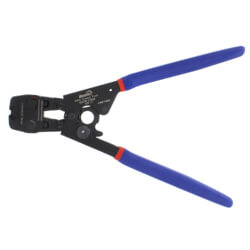
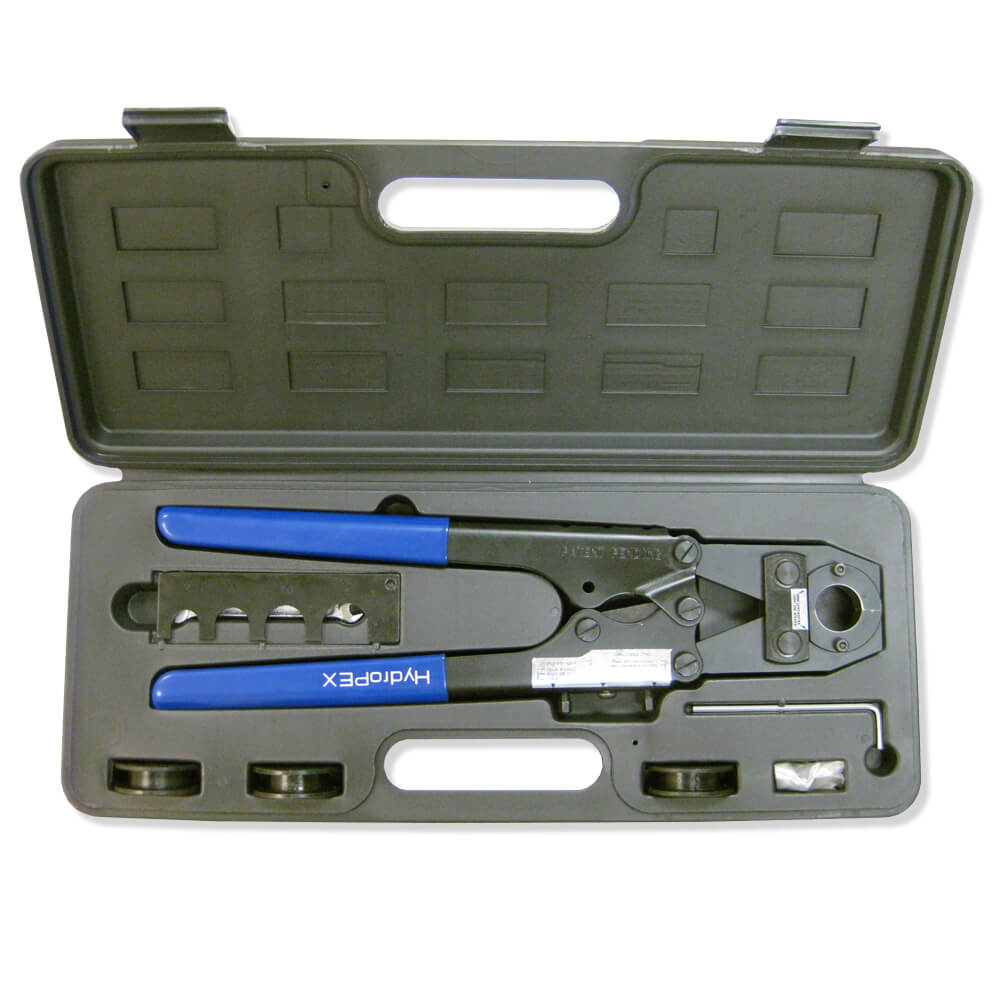
PEX Crimp Tools and Rings are the installation tools and copper crimp rings used to make connections with the PEX crimp system. The crimp tool compresses a copper ring around the PEX tubing and barb fitting using a ratcheting jaw that closes to a fixed diameter, creating a uniform compression joint. A go-no-go gauge is used after crimping to verify that the ring has been compressed to the correct diameter.
PEX Press Tools (Viega) are the battery-powered press tools used with the Viega PEX press fitting system. The press tool compresses a stainless steel sleeve over a Viega press fitting and PEX tubing, creating a connection compatible with standard ASTM-sized PEX tubing from 3/8" to 1-1/2". The Viega press system is commonly paired with Viega FostaPEX tubing but is compatible with any standard ASTM PEX pipe.
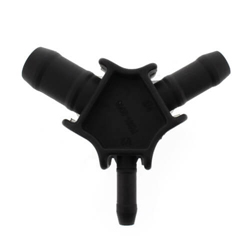
PEX Cutters are tube cutting tools designed to make clean, square cuts on PEX tubing prior to fitting installation. A square, burr-free cut is essential for leak-free PEX connections regardless of the fitting system used. Standard cutters handle 3/8" to 1" PEX, and large-diameter models handle up to 2" tubing.
PEX Uncoilers are pipe dispensing stands used to feed PEX tubing from a coil without tangling or kinking during installation. A PEX uncoiler holds the coil on a rotating axle and feeds tubing smoothly as it is pulled, allowing a single installer to run long tubing loops without assistance. Uncoilers are available for tubing from 5/16" to 1".
The most important decision when selecting PEX tools is choosing a connection system and committing to it across the job. Expansion, crimp, clamp, and press fittings are not interchangeable, and each requires its own tool. Contractors who have invested in a ProPEX expansion tool platform can use the same tool and heads across many jobs. DIY installers doing a single project often choose the clamp or crimp system for its lower tool cost.
Crimp and clamp systems are interchangeable at the fitting level, meaning both tools use the same barb fittings. The difference is the ring type: copper rings for crimp and stainless steel ear clamps for the clamp system. Both work with PEX-b and PEX-c tubing. The clamp system is slightly easier for beginners because the connection result is visually obvious. The crimp system requires a go-no-go gauge check to confirm correct ring compression.
PEX cutters should be sharp and cutting correctly before starting a connection. A dull cutter can deform the tubing end, leave ragged edges, or cut at an angle, all of which prevent the tubing from fully seating against the fitting stop. After cutting, confirm that the end of the tubing is round and flat before installing the crimp ring or clamp and inserting the fitting.
What PEX tool system should I use for a whole-home plumbing installation?
For a professional contractor, the Uponor ProPEX expansion system is the most widely recommended choice. ProPEX connections are stronger than the tubing itself, and PEX-a material is the most flexible and repair-friendly of the PEX types. For a DIY installer or smaller project, the PEX crimp or clamp system is practical because the tools cost significantly less and the barb fittings are widely available.
Can I use PEX crimp fittings with PEX-a tubing?
Yes. Copper crimp rings and stainless steel clamps can be used with PEX-a tubing. Only the ProPEX expansion system requires PEX-a tubing, because the expansion connection relies on the memory of PEX-a to contract the fitting. Using the expansion system with PEX-b or PEX-c tubing, which do not have the same material memory, will produce a failed connection.
How do I verify that a PEX crimp connection was made correctly?
Use a go-no-go gauge matched to the tubing diameter and the ring size after completing the crimp. The go side should slide over the crimped ring freely, confirming minimum compression. The no-go side should not fit over the ring, confirming the ring has not been over-compressed. A connection that fails the go side is under-compressed and must be cut out and remade.
What size PEX cutter do I need for 3/4" PEX?
A standard PEX cutter rated for 3/8" to 1" tubing is appropriate for 3/4" PEX. Most standard single-blade ratchet cutters and scissor-style cutters cover this range. Confirm that the cutter is rated for the outside diameter of the specific tubing type being cut, as PEX-a has a slightly larger outside diameter than PEX-b or PEX-c of the same nominal size.
Do I need a separate tool for each PEX tubing size when using the ProPEX system?
The ProPEX expansion tool handles multiple sizes through interchangeable heads rather than requiring a separate tool for each size. The Milwaukee M12 tool uses separate heads for each size from 3/8" to 1", and the M18 tool handles 1" to 1-1/2" with separate heads. The heads are purchased individually or in sets and are model-specific to the Milwaukee ProPEX tool.
Resources
ProPEX Expander Tools and Heads are the Milwaukee battery-powered expansion tools and interchangeable size heads used with the Uponor ProPEX system. The expander tool enlarges the end of PEX-a tubing and a ProPEX ring, and when the fitting is inserted, the material memory of the PEX-a tubing contracts to create a connection rated stronger than the tubing itself. The M12 tool handles 3/8" to 1" PEX, the M18 handles 1" to 1-1/2", and the ProPEX 201 is for 2" commercial applications.
PEX Clamp Tools and Clamps are the installation tools and stainless steel clamps used to make connections with the PEX clamp system. The clamp tool presses the ear of a stainless steel clamp closed around the PEX tubing and fitting. The clamp system is compatible with standard ASTM-sized PEX-b and PEX-c tubing in sizes from 3/8" to 1" and is widely considered the most economical and beginner-friendly PEX connection method.
PEX Crimp Tools and Rings are the installation tools and copper crimp rings used to make connections with the PEX crimp system. The crimp tool compresses a copper ring around the PEX tubing and barb fitting using a ratcheting jaw that closes to a fixed diameter, creating a uniform compression joint. A go-no-go gauge is used after crimping to verify that the ring has been compressed to the correct diameter.
PEX Press Tools (Viega) are the battery-powered press tools used with the Viega PEX press fitting system. The press tool compresses a stainless steel sleeve over a Viega press fitting and PEX tubing, creating a connection compatible with standard ASTM-sized PEX tubing from 3/8" to 1-1/2". The Viega press system is commonly paired with Viega FostaPEX tubing but is compatible with any standard ASTM PEX pipe.
PEX Cutters are tube cutting tools designed to make clean, square cuts on PEX tubing prior to fitting installation. A square, burr-free cut is essential for leak-free PEX connections regardless of the fitting system used. Standard cutters handle 3/8" to 1" PEX, and large-diameter models handle up to 2" tubing.
PEX Uncoilers are pipe dispensing stands used to feed PEX tubing from a coil without tangling or kinking during installation. A PEX uncoiler holds the coil on a rotating axle and feeds tubing smoothly as it is pulled, allowing a single installer to run long tubing loops without assistance. Uncoilers are available for tubing from 5/16" to 1".
The most important decision when selecting PEX tools is choosing a connection system and committing to it across the job. Expansion, crimp, clamp, and press fittings are not interchangeable, and each requires its own tool. Contractors who have invested in a ProPEX expansion tool platform can use the same tool and heads across many jobs. DIY installers doing a single project often choose the clamp or crimp system for its lower tool cost.
Crimp and clamp systems are interchangeable at the fitting level, meaning both tools use the same barb fittings. The difference is the ring type: copper rings for crimp and stainless steel ear clamps for the clamp system. Both work with PEX-b and PEX-c tubing. The clamp system is slightly easier for beginners because the connection result is visually obvious. The crimp system requires a go-no-go gauge check to confirm correct ring compression.
PEX cutters should be sharp and cutting correctly before starting a connection. A dull cutter can deform the tubing end, leave ragged edges, or cut at an angle, all of which prevent the tubing from fully seating against the fitting stop. After cutting, confirm that the end of the tubing is round and flat before installing the crimp ring or clamp and inserting the fitting.
What PEX tool system should I use for a whole-home plumbing installation?
For a professional contractor, the Uponor ProPEX expansion system is the most widely recommended choice. ProPEX connections are stronger than the tubing itself, and PEX-a material is the most flexible and repair-friendly of the PEX types. For a DIY installer or smaller project, the PEX crimp or clamp system is practical because the tools cost significantly less and the barb fittings are widely available.
Can I use PEX crimp fittings with PEX-a tubing?
Yes. Copper crimp rings and stainless steel clamps can be used with PEX-a tubing. Only the ProPEX expansion system requires PEX-a tubing, because the expansion connection relies on the memory of PEX-a to contract the fitting. Using the expansion system with PEX-b or PEX-c tubing, which do not have the same material memory, will produce a failed connection.
How do I verify that a PEX crimp connection was made correctly?
Use a go-no-go gauge matched to the tubing diameter and the ring size after completing the crimp. The go side should slide over the crimped ring freely, confirming minimum compression. The no-go side should not fit over the ring, confirming the ring has not been over-compressed. A connection that fails the go side is under-compressed and must be cut out and remade.
What size PEX cutter do I need for 3/4" PEX?
A standard PEX cutter rated for 3/8" to 1" tubing is appropriate for 3/4" PEX. Most standard single-blade ratchet cutters and scissor-style cutters cover this range. Confirm that the cutter is rated for the outside diameter of the specific tubing type being cut, as PEX-a has a slightly larger outside diameter than PEX-b or PEX-c of the same nominal size.
Do I need a separate tool for each PEX tubing size when using the ProPEX system?
The ProPEX expansion tool handles multiple sizes through interchangeable heads rather than requiring a separate tool for each size. The Milwaukee M12 tool uses separate heads for each size from 3/8" to 1", and the M18 tool handles 1" to 1-1/2" with separate heads. The heads are purchased individually or in sets and are model-specific to the Milwaukee ProPEX tool.