




PVC Swedge Reducers

 --%3E %3Csvg version='1.1' id='No-RB' xmlns='http://www.w3.org/2000/svg' xmlns:xlink='http://www.w3.org/1999/xlink' x='0px' y='0px' viewBox='0 0 100 100' enable-background='new 0 0 100 100' xml:space='preserve'%3E %3Cpath fill='%23CECECE' d='M79.44,0.95H20.56C9.78,0.95,0.95,9.78,0.95,20.56v58.87c0,10.79,8.82,19.61,19.61,19.61h58.87 c10.79,0,19.61-8.83,19.61-19.61V20.56C99.05,9.78,90.22,0.95,79.44,0.95z M65.38,58.24l9.38,29.58L49.69,69.78L24.5,87.82 l9.34-29.6L8.8,39.6l30.73-0.17c0,0,6.98-19.61,10-28.93c0.54,1.36,9.88,29.1,9.88,29.1H91.2L65.38,58.24z'/%3E %3C/svg%3E)

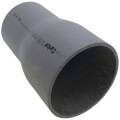

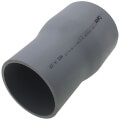
PVC Swedge Reducers are PVC Schedule 40 conduit fittings that join two different pipe diameters into a single fused-looking transition, used mainly by electricians and low-voltage techs running conduit for HVAC control wiring and building power. Carlon manufactures a wide range of sizes, including a 4 inch by 2 inch reducer available in a male by female end configuration and a 6 inch by 5 inch reducer in a male by male configuration. Unlike a standard reducer coupling, a swedge reducer forms one continuous fitting rather than requiring a separate coupling and bushing, which cuts down on the number of joints in a conduit run. Sizes range from smaller diameters like 2-1/2 inch by 2 inch to larger diameters like 6 inch by 5 inch, covering most conduit transitions found on commercial and industrial job sites. Electricians and HVAC installers specify swedge reducers when reducing conduit size at a panel, junction box, or equipment connection without adding an extra fitting to the run.
Subcategories
- Male by Female Swedge Reducers: Male by female swedge reducers, such as the 4 inch by 2 inch E952NJF, transition from a larger male spigot end to a smaller female socket end in a single fitting. Electricians use this configuration when moving from larger conduit into a smaller run right at a box or fitting that requires a female connection. The single-piece design eliminates the need for a separate bushing to make up the size difference. Conduit runs stepping from a larger main trunk into individual branch circuits commonly use this configuration.
- Male by Male Swedge Reducers: Male by male swedge reducers, including the 6 inch by 5 inch E952RP and the 2-1/2 inch by 2 inch E952KJ, provide two male spigot ends of different diameters on a single fitting. Techs use this style when both sides of the transition need to slip into female couplings or boxes already in place. Having both ends male keeps the fitting compact compared to using two separate reducing bushings. The male by male configuration covers a wide span of the product line, from smaller branch conduit sizes to large diameter mains.
- Large Diameter Reducers: Large diameter swedge reducers, such as the 6 inch by 5 inch model, handle transitions on main conduit runs feeding electrical rooms, mechanical rooms, or large commercial services. Larger fittings like this see less frequent use than smaller sizes but are necessary when a project's main conduit trunk steps to a smaller branch size. Schedule 40 PVC construction keeps the fitting compatible with standard solvent cement and existing conduit runs. Large diameter reducers are less common on typical job sites but remain necessary equipment for main trunk transitions on bigger commercial and industrial projects.
- Small Diameter Reducers: Small diameter swedge reducers, such as the 2-1/2 inch by 2 inch model, handle the more frequent size transitions found in standard commercial branch conduit work. Sizes like this see regular use on typical electrical and HVAC control wiring installs where conduit steps from a slightly larger size into a smaller run at a junction box. The smaller fitting body is easier to handle and glue in tight panel and box locations. The 2-1/2 by 2 inch range covers some of the most commonly encountered conduit diameter transitions on a job site.
Buying Guide
Identify both diameters in the transition before ordering, since swedge reducers are sized by the specific pair of diameters they join rather than a single nominal size. A run stepping from 4 inch conduit into a 2 inch box connection needs a reducer sized specifically for that 4 inch by 2 inch transition, not a generic reducer paired with a separate bushing. Next, confirm which ends need to be male or female based on what the reducer connects to on each side. PVC Swedge Reducers come in male by female and male by male configurations, so match the configuration to the fittings, boxes, or conduit already specified for the run. Getting this wrong means adding an extra bushing or coupling to make the connection work, which defeats the purpose of using a one-piece reducer in the first place. Consider the scale of the project when selecting diameter range. Smaller transitions like 2-1/2 inch by 2 inch cover routine branch conduit work found on most commercial and HVAC control wiring jobs, while larger sizes like 6 inch by 5 inch are reserved for main trunk runs feeding electrical or mechanical rooms on bigger commercial and industrial projects. Finally, confirm the fitting is rated for Schedule 40 PVC to match the rest of the conduit system, since mixing schedules can create fit and solvent cement compatibility issues at the joint. Sticking with one schedule throughout a conduit run keeps wall thickness and solvent cement bonding consistent across every fitting.
Frequently Asked Questions
What is a PVC swedge reducer used for?
A PVC swedge reducer joins two different conduit diameters into one continuous fitting, commonly used by electricians and HVAC techs running control or power conduit. It eliminates the need for a separate coupling and bushing when a conduit run steps to a different size. Schedule 40 PVC construction keeps it compatible with standard conduit and solvent cement.
What is the difference between male by female and male by male swedge reducers?
A male by female swedge reducer has a larger male spigot end on one side and a smaller female socket end on the other, while a male by male reducer has male spigot ends of different diameters on both sides. The correct configuration depends on what the reducer connects to at each end, such as a box, coupling, or another length of conduit. Choosing the wrong configuration means an extra fitting is needed to complete the connection.
What sizes of PVC swedge reducers are available?
Sizes range from smaller transitions like 2-1/2 inch by 2 inch to larger transitions like 6 inch by 5 inch, covering most conduit diameter changes found on commercial and industrial projects. Carlon manufactures much of this size range, with individual reducers sized to specific diameter pairs rather than sold as adjustable fittings. Matching the reducer to both diameters in the transition is necessary since each size is fitting-specific.
Can a standard reducer coupling be used instead of a swedge reducer?
A standard reducer coupling typically requires pairing with a separate bushing to reduce conduit diameter, adding an extra joint to the run. A swedge reducer combines both diameter transitions into one fitting, reducing the number of solvent-welded joints in the conduit. Fewer joints generally means fewer potential failure points in the run.
What material and schedule are PVC swedge reducers made from?
PVC Swedge Reducers are made from Schedule 40 PVC, matching the wall thickness and solvent cement compatibility of standard Schedule 40 conduit. Keeping the same schedule throughout a conduit run helps maintain consistent fit and bonding at every joint. Carlon is one of the manufacturers producing this fitting in a range of diameter pairs.
