




Filters
SORT
Product Availability –
Brand –
Review Score –
 --%3E %3Csvg version='1.1' id='Fill' xmlns='http://www.w3.org/2000/svg' xmlns:xlink='http://www.w3.org/1999/xlink' x='0px' y='0px' viewBox='0 0 100 100' enable-background='new 0 0 100 100' xml:space='preserve'%3E %3Cpath fill='%23F15C02' d='M79.44,0.95H20.56C9.78,0.95,0.95,9.78,0.95,20.56v58.87c0,10.79,8.82,19.61,19.61,19.61h58.87 c10.79,0,19.61-8.83,19.61-19.61V20.56C99.05,9.78,90.22,0.95,79.44,0.95z M65.38,58.24l9.38,29.58L49.69,69.78L24.5,87.82 l9.34-29.6L8.8,39.6l30.73-0.17c0,0,6.98-19.61,10-28.93c0.54,1.36,9.88,29.1,9.88,29.1H91.2L65.38,58.24z'/%3E %3C/svg%3E)
 --%3E %3Csvg version='1.1' id='With-RB' xmlns='http://www.w3.org/2000/svg' xmlns:xlink='http://www.w3.org/1999/xlink' x='0px' y='0px' viewBox='0 0 100 100' enable-background='new 0 0 100 100' xml:space='preserve'%3E %3Cpath fill='%23FBC8B4' d='M79.44,0.95H20.56C9.78,0.95,0.95,9.78,0.95,20.56v58.87c0,10.79,8.82,19.61,19.61,19.61h58.87 c10.79,0,19.61-8.83,19.61-19.61V20.56C99.05,9.78,90.22,0.95,79.44,0.95z M65.38,58.24l9.38,29.58L49.69,69.78L24.5,87.82 l9.34-29.6L8.8,39.6l30.73-0.17c0,0,6.98-19.61,10-28.93c0.54,1.36,9.88,29.1,9.88,29.1H91.2L65.38,58.24z'/%3E %3C/svg%3E)
Price Range –
Radiator Valve Tools



 --%3E %3Csvg version='1.1' id='Half' xmlns='http://www.w3.org/2000/svg' xmlns:xlink='http://www.w3.org/1999/xlink' x='0px' y='0px' viewBox='0 0 100 100' enable-background='new 0 0 100 100' xml:space='preserve'%3E %3Cg%3E %3Cpath fill='%23F15C02' d='M30.05,70.23l3.79-12.01L8.8,39.6l30.73-0.17c0,0,6.98-19.61,10-28.93c0.54,1.36,9.88,29.1,9.88,29.1h1.58 L93.71,7.18c-3.58-3.82-8.66-6.23-14.28-6.23H20.56C9.78,0.95,0.95,9.78,0.95,20.56v58.87c0,5.41,2.22,10.32,5.79,13.88 L30.05,70.23z'/%3E %3C/g%3E %3Cpath fill='%23FBC8B4' d='M93.71,7.18L60.98,39.6H91.2L65.38,58.24l9.38,29.58L49.69,69.78L24.5,87.82l5.55-17.59L6.75,93.32 c3.55,3.54,8.44,5.73,13.82,5.73h58.87c10.79,0,19.61-8.83,19.61-19.61V20.56C99.05,15.4,97.01,10.69,93.71,7.18z'/%3E %3C/svg%3E)
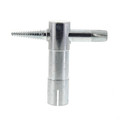
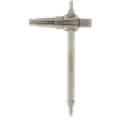

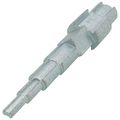
Radiator valve tools are hand tools designed for servicing and adjusting the valves found on steam and hot water radiators in older residential and commercial heating systems. Technicians use them to remove stuck valve stems, repack leaking valve bodies, and adjust steam vents without damaging fittings that are often decades old and no longer made to current tolerances. Because many of these valves were installed long before modern parts standards, a tool that fits properly matters more than it does on newer HVAC equipment where replacement parts are easy to source. Contractors working on older buildings with steam or hydronic heat keep a dedicated set of these tools on hand, since a generic wrench or pliers can round off the fittings on cast iron valves and turn a simple repack into a full valve replacement. Having the right tool for the job protects aging equipment that would otherwise be expensive or difficult to replace.
Subcategories
- Valve Wrenches & Keys: Specialized wrenches grip the unusual shapes and worn edges common on old radiator valve stems without slipping or rounding them off further. Some are adjustable to fit multiple valve sizes found across a single building. They see the most use on steam systems where valve bodies have been in service for decades.
- Packing & Repacking Tools: Packing tools remove old, hardened packing material from a leaking valve stem and help seat new packing evenly around it. A clean repack often solves a leak without needing to replace the entire valve body. They matter most on older cast iron valves where replacement parts can be hard to source.
- Steam Vent & Air Valve Tools: Steam vents and air valves need periodic cleaning or adjustment to keep a one-pipe steam system balanced across all the radiators it feeds. Dedicated tools help remove and reinstall these small components without damaging their threads. A poorly adjusted vent is a common cause of uneven heat complaints in older buildings.
- Valve Seat & Reseating Tools: Reseating tools resurface a worn valve seat so it closes properly again instead of dripping or allowing steam to pass when the valve should be shut. A resurfaced seat can extend the service life of a valve that would otherwise need full replacement. They see the most use on older systems where matching replacement valves are difficult to find.
Buying Guide
Selecting radiator valve tools starts with identifying the type of heating system involved, since steam systems and hydronic hot water systems use different valve designs that call for different tools. Contractors working on radiator valve tools for older steam buildings should prioritize a quality valve wrench or key set first, since stuck or worn valve stems are the most common service call on that type of system. Packing and repacking tools come next on the list for anyone regularly servicing older cast iron valves, since a proper repack solves most leaks without the cost and labor of a full valve replacement. Buildings with one-pipe steam systems benefit from dedicated steam vent and air valve tools as well, since balancing heat across multiple radiators often comes down to properly adjusted vents rather than anything at the boiler itself. For technicians who run into worn valve seats regularly, a reseating tool can extend the life of an otherwise-failing valve, which matters on jobs where an exact replacement valve is no longer manufactured. Buying a basic kit that covers wrenches, packing tools, and vent tools together covers most service calls on older buildings, with specialty reseating tools added once a technician sees enough of that specific failure to justify the investment.
Frequently Asked Questions
What's the most common radiator valve repair on older steam systems?
Leaking valve packing is one of the most common issues on older steam radiator valves, and it's usually fixed by removing the hardened old packing and installing new packing material rather than replacing the whole valve. A dedicated packing tool makes this repair faster and reduces the risk of damaging the valve body.
Why do stuck radiator valves need special wrenches instead of standard tools?
Old cast iron valve stems are often worn, corroded, or shaped differently than modern fittings, so a standard wrench or pliers can slip and round off the edges further. Specialized valve wrenches are designed to grip these worn shapes without adding more damage.
How do steam vent tools help with uneven heat in a building?
In one-pipe steam systems, each radiator's air vent controls how quickly it fills with steam relative to the others, so a clogged or poorly adjusted vent can leave one radiator cold while another overheats. Dedicated vent tools allow a technician to remove, clean, or adjust these small components without damaging their threads.
Can a worn valve seat be fixed without replacing the whole valve?
In many cases, a reseating tool can resurface a worn valve seat so it closes fully again instead of dripping or letting steam pass when it should be shut. Trying this before sourcing a replacement valve is often worthwhile, especially on older systems where an exact match is hard to find.
What tools should a technician carry for a first service call on an old steam system?
A basic kit covering a valve wrench or key set, packing tools, and steam vent tools handles most common service calls on older steam radiators. Reseating tools and other specialty items are worth adding once a technician sees enough worn valve seats or unusual fittings to justify carrying them.
