




Reznor Motors & Parts
Reznor motors and parts cover the replacement components for Reznor gas-fired unit heaters, including the motors that drive both the blower wheel and the combustion venter, along with the blower housing and wheels themselves.
A unit heater relies on its blower motor for both air circulation and, on some models, combustion venting, so a failed motor can affect both heating output and safe operation. Matching motor horsepower and speed rating to the original equipment keeps airflow within the unit's designed specifications.

Subcategories
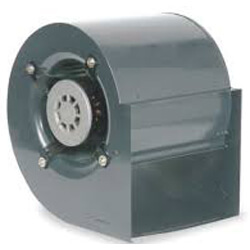
- Blower Housing: Blower housing encloses the blower wheel and motor assembly inside a Reznor unit heater, directing the airflow the wheel generates out through the heater's discharge opening instead of letting it circulate inside the cabinet. A housing that's cracked, dented, or corroded from years in a garage or industrial space can throw off airflow even when the motor and wheel inside are still working correctly.
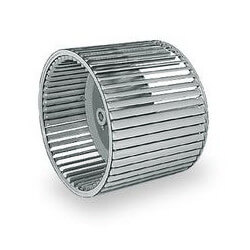
- Blower Wheels: Blower wheels are the centrifugal fans that pull air across a Reznor unit heater's heat exchanger and push it out into the space, sized and balanced to match the motor's horsepower and the heater's rated airflow. A wheel that's out of balance or has debris built up on the blades can cause the noise and vibration technicians often trace back to a motor problem that turns out to be the wheel instead.
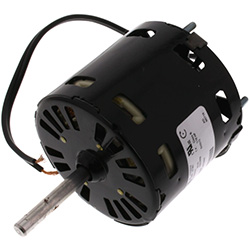
- Motors: Motors drive both the blower wheel that circulates heated air and the venter that manages combustion airflow on separated combustion Reznor unit heaters. Reznor pairs its heaters with vibration and noise isolated fan and venter motors, which keeps operating sound down in occupied shop and warehouse spaces where the heater runs for extended periods.
Buying Guide
Matching the replacement part to the exact unit heater model and serial number comes first, since blower wheels, housings, and motors are sized differently across Reznor's unit heater lineup even when two models look similar from the outside. The nameplate on the heater lists the model and serial number needed to cross reference the correct part.
Motor horsepower and voltage need to match the original specification exactly, not just fit the mounting bracket. A motor with the wrong horsepower can either underperform, leaving the heat exchanger under ventilated, or overload the blower wheel and housing it's paired with, so confirming nameplate horsepower, voltage, and phase before ordering avoids a callback.
Blower wheel diameter and width affect airflow volume, so a wheel that looks similar but is undersized for the application reduces the heater's rated output even if the motor is correct. Confirming the wheel's part number against the heater's parts diagram is more reliable than matching by physical dimensions alone.
Housing condition affects performance as much as the components inside it. A housing with damaged seams or a warped mounting flange can let air recirculate inside the cabinet instead of discharging where it's needed, so a technician troubleshooting weak airflow should inspect the housing along with the wheel and motor.
Separated combustion unit heaters add a venter motor to the parts list alongside the standard blower motor, and the two aren't interchangeable since they're sized for different airflow and pressure requirements. Keeping the venter and blower motor specifications separate when ordering parts for this style of heater avoids installing the wrong motor in the wrong position.
Frequently Asked Questions
How is the correct Reznor blower motor identified for a replacement?
The heater's nameplate lists the model and serial number needed to cross reference the exact motor specification, including horsepower, voltage, and phase, in Reznor's parts documentation. Matching by physical appearance or mounting bracket alone can lead to installing a motor with the wrong horsepower or speed for the application.
What causes a Reznor unit heater to run louder than normal?
Increased noise often traces back to a blower wheel that's out of balance, has debris built up on the blades, or a motor bearing starting to wear, any of which can be diagnosed by inspecting the wheel and motor separately rather than assuming the whole assembly needs replacement. Reznor unit heaters use vibration and noise isolated motor mounts, so a sudden increase in noise or vibration usually points to a specific worn component rather than a design issue.
Can a blower wheel be replaced without replacing the motor?
Yes, in most cases the blower wheel and motor are separate components that mount together on a shaft, so a worn or out of balance wheel can be replaced on its own as long as the motor is still functioning correctly. Confirming the wheel's part number against the heater's specific model keeps the replacement wheel properly balanced for the existing motor.
What's the difference between a blower motor and a venter motor on a Reznor heater?
The blower motor drives the wheel that circulates heated air into the space, while the venter motor manages combustion air intake and exhaust on separated combustion unit heater models. The two motors are sized for different airflow and pressure requirements and aren't interchangeable, so ordering the correct one depends on identifying which function is failing.
Why does the blower housing matter if the motor and wheel are working correctly?
A damaged or corroded housing can let air recirculate inside the cabinet instead of discharging into the space, reducing the heater's effective output even when the motor and wheel are functioning normally. Inspecting the housing for cracks, dents, or warped mounting points is worth doing any time airflow seems weaker than expected.
Resources
Subcategories
- Blower Housing: Blower housing encloses the blower wheel and motor assembly inside a Reznor unit heater, directing the airflow the wheel generates out through the heater's discharge opening instead of letting it circulate inside the cabinet. A housing that's cracked, dented, or corroded from years in a garage or industrial space can throw off airflow even when the motor and wheel inside are still working correctly.
- Blower Wheels: Blower wheels are the centrifugal fans that pull air across a Reznor unit heater's heat exchanger and push it out into the space, sized and balanced to match the motor's horsepower and the heater's rated airflow. A wheel that's out of balance or has debris built up on the blades can cause the noise and vibration technicians often trace back to a motor problem that turns out to be the wheel instead.
- Motors: Motors drive both the blower wheel that circulates heated air and the venter that manages combustion airflow on separated combustion Reznor unit heaters. Reznor pairs its heaters with vibration and noise isolated fan and venter motors, which keeps operating sound down in occupied shop and warehouse spaces where the heater runs for extended periods.
Buying Guide
Matching the replacement part to the exact unit heater model and serial number comes first, since blower wheels, housings, and motors are sized differently across Reznor's unit heater lineup even when two models look similar from the outside. The nameplate on the heater lists the model and serial number needed to cross reference the correct part.
Motor horsepower and voltage need to match the original specification exactly, not just fit the mounting bracket. A motor with the wrong horsepower can either underperform, leaving the heat exchanger under ventilated, or overload the blower wheel and housing it's paired with, so confirming nameplate horsepower, voltage, and phase before ordering avoids a callback.
Blower wheel diameter and width affect airflow volume, so a wheel that looks similar but is undersized for the application reduces the heater's rated output even if the motor is correct. Confirming the wheel's part number against the heater's parts diagram is more reliable than matching by physical dimensions alone.
Housing condition affects performance as much as the components inside it. A housing with damaged seams or a warped mounting flange can let air recirculate inside the cabinet instead of discharging where it's needed, so a technician troubleshooting weak airflow should inspect the housing along with the wheel and motor.
Separated combustion unit heaters add a venter motor to the parts list alongside the standard blower motor, and the two aren't interchangeable since they're sized for different airflow and pressure requirements. Keeping the venter and blower motor specifications separate when ordering parts for this style of heater avoids installing the wrong motor in the wrong position.
Frequently Asked Questions
How is the correct Reznor blower motor identified for a replacement?
The heater's nameplate lists the model and serial number needed to cross reference the exact motor specification, including horsepower, voltage, and phase, in Reznor's parts documentation. Matching by physical appearance or mounting bracket alone can lead to installing a motor with the wrong horsepower or speed for the application.
What causes a Reznor unit heater to run louder than normal?
Increased noise often traces back to a blower wheel that's out of balance, has debris built up on the blades, or a motor bearing starting to wear, any of which can be diagnosed by inspecting the wheel and motor separately rather than assuming the whole assembly needs replacement. Reznor unit heaters use vibration and noise isolated motor mounts, so a sudden increase in noise or vibration usually points to a specific worn component rather than a design issue.
Can a blower wheel be replaced without replacing the motor?
Yes, in most cases the blower wheel and motor are separate components that mount together on a shaft, so a worn or out of balance wheel can be replaced on its own as long as the motor is still functioning correctly. Confirming the wheel's part number against the heater's specific model keeps the replacement wheel properly balanced for the existing motor.
What's the difference between a blower motor and a venter motor on a Reznor heater?
The blower motor drives the wheel that circulates heated air into the space, while the venter motor manages combustion air intake and exhaust on separated combustion unit heater models. The two motors are sized for different airflow and pressure requirements and aren't interchangeable, so ordering the correct one depends on identifying which function is failing.
Why does the blower housing matter if the motor and wheel are working correctly?
A damaged or corroded housing can let air recirculate inside the cabinet instead of discharging into the space, reducing the heater's effective output even when the motor and wheel are functioning normally. Inspecting the housing for cracks, dents, or warped mounting points is worth doing any time airflow seems weaker than expected.