




Filters
SORT
Product Availability –
Review Score –
 --%3E %3Csvg version='1.1' id='Fill' xmlns='http://www.w3.org/2000/svg' xmlns:xlink='http://www.w3.org/1999/xlink' x='0px' y='0px' viewBox='0 0 100 100' enable-background='new 0 0 100 100' xml:space='preserve'%3E %3Cpath fill='%23F15C02' d='M79.44,0.95H20.56C9.78,0.95,0.95,9.78,0.95,20.56v58.87c0,10.79,8.82,19.61,19.61,19.61h58.87 c10.79,0,19.61-8.83,19.61-19.61V20.56C99.05,9.78,90.22,0.95,79.44,0.95z M65.38,58.24l9.38,29.58L49.69,69.78L24.5,87.82 l9.34-29.6L8.8,39.6l30.73-0.17c0,0,6.98-19.61,10-28.93c0.54,1.36,9.88,29.1,9.88,29.1H91.2L65.38,58.24z'/%3E %3C/svg%3E)
Price Range –
Rheem Solenoid Valves


 --%3E %3Csvg version='1.1' id='No-RB' xmlns='http://www.w3.org/2000/svg' xmlns:xlink='http://www.w3.org/1999/xlink' x='0px' y='0px' viewBox='0 0 100 100' enable-background='new 0 0 100 100' xml:space='preserve'%3E %3Cpath fill='%23CECECE' d='M79.44,0.95H20.56C9.78,0.95,0.95,9.78,0.95,20.56v58.87c0,10.79,8.82,19.61,19.61,19.61h58.87 c10.79,0,19.61-8.83,19.61-19.61V20.56C99.05,9.78,90.22,0.95,79.44,0.95z M65.38,58.24l9.38,29.58L49.69,69.78L24.5,87.82 l9.34-29.6L8.8,39.6l30.73-0.17c0,0,6.98-19.61,10-28.93c0.54,1.36,9.88,29.1,9.88,29.1H91.2L65.38,58.24z'/%3E %3C/svg%3E)



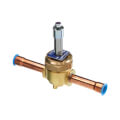
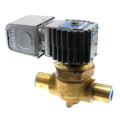
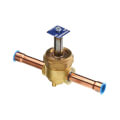
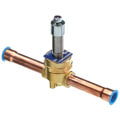
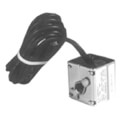
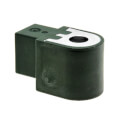
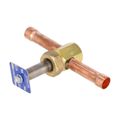
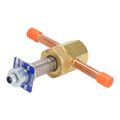
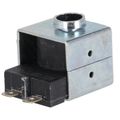
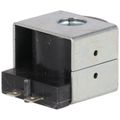
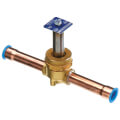
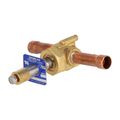

Rheem solenoid valves are electrically operated shutoff valves used to control refrigerant or fluid flow in HVAC and water heating systems that carry the Rheem name. Technicians install them in liquid lines, hot gas bypass circuits, and defrost systems where a solenoid coil needs to open or close a line automatically in response to a control signal. Because these valves are matched to Rheem equipment, they help installers keep original-equipment compatibility when replacing a failed valve body or coil during a service call. Body materials and orifice sizing vary by application, so pulling the model number off the equipment nameplate before ordering a replacement is the fastest way to avoid a mismatched part. Solenoid valves are wear items, since coils burn out over time and valve seats can develop leaks, so keeping a few common models on the truck cuts down on repeat visits for HVAC and hydronic service contractors.
Subcategories
- Solenoid Valve Bodies: Valve bodies form the core of the assembly, directing refrigerant or water through an internal port that opens and closes with the coil. Contractors replace a valve body when the seat or diaphragm wears out rather than the entire line set. Matching the body's port size and connection type to the existing line keeps the swap straightforward. Correct orientation during installation keeps the valve operating as designed.
- Solenoid Coils: Coils are the electrical component that lifts the valve's plunger to open the flow path when energized. Coils fail independently of the valve body more often than not, so replacing just the coil is a common, lower-cost repair. Confirming the coil's voltage and lead style against the original before ordering prevents a return trip. A failed coil often shows as a valve stuck in one position with no visible leak.
- Hot Gas Bypass Valves: Hot gas bypass valves route hot discharge gas around the evaporator to manage capacity and prevent low-suction problems on part-load systems. Technicians working on commercial refrigeration and larger HVAC systems use them to stabilize head pressure. Bypass line sizing depends on total system capacity. Correct wiring to the appropriate control signal keeps the bypass valve cycling only when needed.
- Replacement Kits & Parts: Rebuild kits bundle the gaskets, plungers, and springs needed to service a valve body without buying a full replacement. Kits are practical for higher-value valve bodies where the seat and internals wear out before the housing does. Keeping torque specs in mind when reassembling prevents leaks at the cover plate. A kit-based repair is often faster than sourcing a full replacement on a service call.
Buying Guide
Start by identifying whether the replacement is for the valve body, the coil, or both, since most solenoid valve failures on a service call trace back to one or the other, not the entire assembly. Pulling the model and part number stamped on the equipment or the existing valve is the most reliable way to order a match, since orifice size and port configuration vary across the Rheem lineup.
Voltage compatibility matters as much as physical fit. Coils are built for specific voltage and frequency combinations, and installing the wrong one can cause premature failure or a valve that won't fully seat. Confirming the control circuit's voltage before ordering a coil rather than assuming a standard rating applies is worth the extra minute on site.
Line size and connection type, whether sweat, flare, or threaded, need to match the existing line set to avoid additional fittings or unnecessary joints, which add potential leak points to a refrigerant circuit. For hot gas bypass applications, capacity sizing should reflect the total system tonnage rather than a single component's rating.
Rheem solenoid valves purchased for warranty or manufacturer-specified service work should match the original equipment's approved parts list, since substituting a generic valve can affect coverage. Stocking common coil voltages and a few standard body sizes reduces callbacks for shops that service a range of Rheem equipment.
Frequently Asked Questions
What causes a solenoid valve to fail?
Coil burnout from repeated cycling or voltage spikes is the most common failure, followed by a worn valve seat that lets refrigerant or water leak past when the valve should be closed. A valve stuck open or closed usually points to one of these two issues rather than a problem with the line itself.
Can the coil be replaced without replacing the valve body?
Yes, in most cases. Coils are held on with a retaining nut or clip and can be swapped without breaking into the refrigerant or water circuit, as long as the replacement coil matches the original voltage and lead configuration.
How is the correct orifice size determined for a replacement valve?
Orifice size is typically stamped on the valve body or listed in the equipment's parts manual, and it should match the line size and system capacity it's serving. Installing an undersized or oversized orifice can affect flow control and system performance.
Do hot gas bypass valves need special wiring?
Hot gas bypass valves are wired to a control signal that only energizes the valve under specific load conditions, rather than running continuously with the compressor. Wiring them to the wrong control point can cause the bypass to run when it shouldn't, wasting capacity.
What's the difference between a normally open and normally closed solenoid valve?
A normally closed valve stays shut until the coil is energized, which is the more common configuration for line shutoff applications. A normally open valve stays open until energized and is used in applications where flow needs to continue if power is lost. Confirming which type the application calls for prevents an installation that fails in the wrong state.
