




Ridgid Pipe Threaders
Ridgid pipe threaders are tools used to cut standard pipe threads onto the end of steel, iron, and stainless pipe so it can be joined with threaded fittings. Plumbers and mechanical contractors use them on job sites and in the shop to thread pipe to length. Factory-threaded pipe isn't always cut to the exact dimension a job requires.
The category includes handheld and power threading tools along with the dies, oil, and grooving accessories that go with them. Threading pipe correctly depends on using the right die head for the pipe size and material. The cut should be kept lubricated with thread cutting oil. The result is a clean, properly sized thread that seals when the fitting is made up.



Subcategories
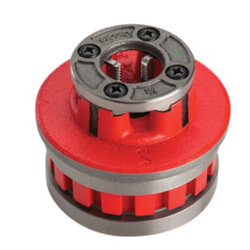
- Ridgid Pipe Threader Pipe Dies & Die Heads: Ridgid pipe dies and die heads cut the actual thread pattern onto the pipe and mount into a compatible Ridgid threading machine. Die heads are sized and shaped to a specific pipe diameter and thread type, so matching the die to the pipe being threaded is what determines thread quality.
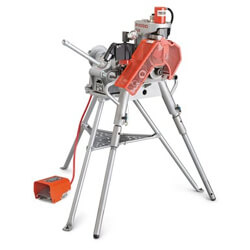
- Ridgid Pipe Threading Tools & Kits: Ridgid pipe threading tools and kits range from handheld ratchet-style threaders to powered threading machines, often bundled with the dies and accessories needed to get started. A kit lets a contractor equip a truck or shop with a complete threading setup in one purchase.
- Ridgid Roll Groovers: Ridgid roll groovers cut a groove into the end of pipe so it can be joined with a mechanical grooved coupling instead of a threaded or welded connection. They're often used alongside threading equipment on jobs that combine threaded and grooved piping systems.
- Ridgid Thread Cutting Oil: Ridgid thread cutting oil lubricates and cools the die during the threading process, which extends die life and produces a cleaner, more consistent thread. Using the correct cutting oil for the pipe material being threaded is part of getting a thread that seals properly.
Buying Guide
Determine the pipe size and material range the threader needs to cover. Die heads and threading machines are built around specific pipe diameter ranges. Confirm that the range needed on the job matches the tool's rated capacity. This avoids buying a threader that can't handle the largest pipe on the job.
Decide between a handheld ratchet threader and a powered threading machine based on volume. Occasional threading work on small-diameter pipe can be handled with a handheld tool. Frequent threading or larger pipe diameters generally call for a powered machine to keep the work efficient.
Confirm die compatibility with the threading machine being used. Dies are sized and shaped for specific machine models and pipe diameters, so check that any dies purchased separately are rated for the threader already on hand.
Factor in thread cutting oil as part of the setup, not an afterthought. Threading dry or with the wrong oil accelerates die wear and can produce a rough thread that doesn't seal well once the fitting is made up.
If the job also involves grooved piping, consider whether a roll groover is needed alongside the threading equipment. Some jobs mix threaded and grooved connections on the same run, and having both tool types on hand avoids scheduling a separate trip for grooving work.
Frequently Asked Questions
What's the difference between a die head and a threading machine?
A die head is the cutting tool that forms the thread pattern onto the pipe. A threading machine powers and rotates the pipe or die to make the cut. Die heads mount into a compatible threading machine and are sized to specific pipe diameters.
Do I need thread cutting oil every time I thread pipe?
Yes. Thread cutting oil lubricates and cools the die during the cut, which extends die life and produces a cleaner thread. Threading without oil accelerates wear on the die and can leave a rough thread that doesn't seal as well.
Can a Ridgid roll groover replace a pipe threader?
No. A roll groover cuts a groove for a mechanical grooved coupling, while a threader cuts threads for threaded fittings. The two make different types of connections, so which one is needed depends on the piping system being installed.
What pipe sizes can Ridgid pipe threaders handle?
Available die heads and threading machines cover a range of pipe diameters, and the specific range depends on the model. Checking a threader's rated capacity against the pipe sizes needed on the job is the way to confirm compatibility.
Are Ridgid dies interchangeable between different threading machines?
Dies are sized and shaped for specific machine models, so a die built for one threading machine may not fit or perform correctly in a different model. Checking compatibility between the die and the machine on hand avoids a mismatch.
Resources
Subcategories
- Ridgid Pipe Threader Pipe Dies & Die Heads: Ridgid pipe dies and die heads cut the actual thread pattern onto the pipe and mount into a compatible Ridgid threading machine. Die heads are sized and shaped to a specific pipe diameter and thread type, so matching the die to the pipe being threaded is what determines thread quality.
- Ridgid Pipe Threading Tools & Kits: Ridgid pipe threading tools and kits range from handheld ratchet-style threaders to powered threading machines, often bundled with the dies and accessories needed to get started. A kit lets a contractor equip a truck or shop with a complete threading setup in one purchase.
- Ridgid Roll Groovers: Ridgid roll groovers cut a groove into the end of pipe so it can be joined with a mechanical grooved coupling instead of a threaded or welded connection. They're often used alongside threading equipment on jobs that combine threaded and grooved piping systems.
- Ridgid Thread Cutting Oil: Ridgid thread cutting oil lubricates and cools the die during the threading process, which extends die life and produces a cleaner, more consistent thread. Using the correct cutting oil for the pipe material being threaded is part of getting a thread that seals properly.
Buying Guide
Determine the pipe size and material range the threader needs to cover. Die heads and threading machines are built around specific pipe diameter ranges. Confirm that the range needed on the job matches the tool's rated capacity. This avoids buying a threader that can't handle the largest pipe on the job.
Decide between a handheld ratchet threader and a powered threading machine based on volume. Occasional threading work on small-diameter pipe can be handled with a handheld tool. Frequent threading or larger pipe diameters generally call for a powered machine to keep the work efficient.
Confirm die compatibility with the threading machine being used. Dies are sized and shaped for specific machine models and pipe diameters, so check that any dies purchased separately are rated for the threader already on hand.
Factor in thread cutting oil as part of the setup, not an afterthought. Threading dry or with the wrong oil accelerates die wear and can produce a rough thread that doesn't seal well once the fitting is made up.
If the job also involves grooved piping, consider whether a roll groover is needed alongside the threading equipment. Some jobs mix threaded and grooved connections on the same run, and having both tool types on hand avoids scheduling a separate trip for grooving work.
Frequently Asked Questions
What's the difference between a die head and a threading machine?
A die head is the cutting tool that forms the thread pattern onto the pipe. A threading machine powers and rotates the pipe or die to make the cut. Die heads mount into a compatible threading machine and are sized to specific pipe diameters.
Do I need thread cutting oil every time I thread pipe?
Yes. Thread cutting oil lubricates and cools the die during the cut, which extends die life and produces a cleaner thread. Threading without oil accelerates wear on the die and can leave a rough thread that doesn't seal as well.
Can a Ridgid roll groover replace a pipe threader?
No. A roll groover cuts a groove for a mechanical grooved coupling, while a threader cuts threads for threaded fittings. The two make different types of connections, so which one is needed depends on the piping system being installed.
What pipe sizes can Ridgid pipe threaders handle?
Available die heads and threading machines cover a range of pipe diameters, and the specific range depends on the model. Checking a threader's rated capacity against the pipe sizes needed on the job is the way to confirm compatibility.
Are Ridgid dies interchangeable between different threading machines?
Dies are sized and shaped for specific machine models, so a die built for one threading machine may not fit or perform correctly in a different model. Checking compatibility between the die and the machine on hand avoids a mismatch.