



Ridgid Tube Cutting & Preparation Tools
Ridgid tube cutting and preparation tools are hand tools built to cut, deburr, clean, and prep copper and plastic tubing. They're used before a joint is soldered, brazed, or pressed. Plumbers and HVAC/R technicians use them to get a clean, square cut and a properly prepared tube end. A rough or out-of-round cut can keep a fitting from seating correctly and compromise the joint.
The category covers tubing cutters sized for different tube diameters. It also includes deburring tools that remove the burr left after cutting. Cleaning brushes prep the tube's outer surface and a fitting's inner surface for soldering. Selecting the right combination of tools for the tube material and diameter being worked on is part of making sure the finished joint holds pressure reliably.

Subcategories
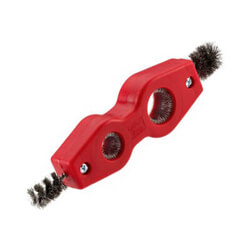
- Ridgid Copper Cleaning Brushes: Ridgid copper cleaning brushes remove oxidation and debris from the outside of copper tubing and the inside of fittings before soldering. A clean, bright surface on both parts of the joint helps solder flow evenly and form a solid seal.
- Ridgid Deburring Tools: Ridgid deburring tools remove the burr left on a tube's inner and outer edge after cutting. Clearing the burr keeps the tube's inside diameter open for full flow and lets the tube seat fully inside the fitting.
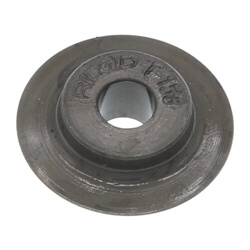
- Ridgid Pipe & Tubing Cutter Wheels: Ridgid pipe and tubing cutter wheels are replacement cutting wheels sized for Ridgid tubing cutters. Swapping in a new wheel restores a clean, square cut once the original wheel dulls from regular use.
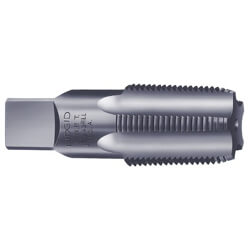
- Ridgid Pipe Taps, Reamers & Extractors: Ridgid pipe taps, reamers, and extractors clean up pipe threads, remove interior burrs from cut pipe ends, and back out broken fittings or fasteners. They cover the finishing and repair work that comes up around pipe cutting and threading.
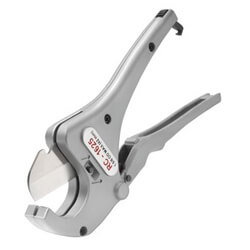
- Ridgid Plastic Pipe Cutters: Ridgid plastic pipe cutters make a clean, square cut on PVC, CPVC, and PEX tubing without the burring that a metal-cutting tool can leave on plastic pipe. A square cut matters for plastic pipe since fittings depend on a flat, even surface to seal properly.
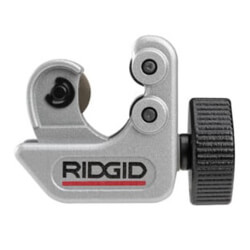
- Ridgid Tubing Cutters: Ridgid tubing cutters make the initial cut on copper, aluminum, and thin-wall tubing. A rotating cutting wheel scores and separates the tube as it's turned around the diameter. They're sized to different tube diameter ranges depending on the model.
Buying Guide
Start with the tubing material and diameter range being worked on most often. Copper, plastic, and thin-wall tubing each call for a cutter designed for that material, and a cutter sized outside its intended diameter range won't produce a clean, square cut.
Consider whether the job calls for a standalone cutter or a full set that also includes deburring and cleaning tools. A cutter alone handles the cut, but a clean joint also depends on deburring the cut end and cleaning both mating surfaces before soldering or pressing.
For copper work headed to a soldered joint, plan for a cleaning brush sized to the tube's outer diameter and the fitting's inner diameter. A joint that isn't properly cleaned is one of the more common causes of a solder joint that leaks under pressure.
Check replacement wheel and blade availability for the cutter being purchased. Cutting wheels wear down with regular use, and confirming that replacement wheels are available for the specific cutter model avoids replacing the whole tool once the original wheel dulls.
Match the tool to the working conditions. Tight spaces such as wall cavities or crawlspaces often call for a compact or mini tubing cutter. Open bench work can use a full-size cutter with a longer handle for more leverage.
Frequently Asked Questions
What's the difference between a tubing cutter and a plastic pipe cutter?
A tubing cutter makes the initial cut on copper, aluminum, and thin-wall tubing. A plastic pipe cutter makes a clean, square cut on PVC, CPVC, and PEX without the burring a metal-cutting tool can leave. Matching the tool to the material and diameter keeps the cut clean and square.
Why is deburring necessary after cutting copper tubing?
Cutting leaves a burr on the tube's inner and outer edge that can restrict flow and keep the tube from seating fully inside a fitting. A deburring tool clears that burr so the joint fits together properly before soldering.
Can Ridgid tubing cutters be used on plastic pipe?
Ridgid makes separate cutters specifically for plastic pipe such as PVC, CPVC, and PEX, since a metal tubing cutter's wheel isn't designed to cut plastic cleanly. Using the plastic-specific cutter avoids the burring a metal-cutting tool can cause.
How often do cutting wheels need to be replaced?
A cutting wheel needs replacing once it stops producing a clean, square cut. Replacement wheels are sold separately and sized to specific cutter models.
What's the purpose of a cleaning brush before soldering copper?
A cleaning brush removes oxidation and debris from the tube's outer surface and the fitting's inner surface, giving solder a clean surface to bond to. Skipping this step is a common cause of a soldered joint that doesn't seal properly.
Resources
Subcategories
- Ridgid Copper Cleaning Brushes: Ridgid copper cleaning brushes remove oxidation and debris from the outside of copper tubing and the inside of fittings before soldering. A clean, bright surface on both parts of the joint helps solder flow evenly and form a solid seal.
- Ridgid Deburring Tools: Ridgid deburring tools remove the burr left on a tube's inner and outer edge after cutting. Clearing the burr keeps the tube's inside diameter open for full flow and lets the tube seat fully inside the fitting.
- Ridgid Pipe & Tubing Cutter Wheels: Ridgid pipe and tubing cutter wheels are replacement cutting wheels sized for Ridgid tubing cutters. Swapping in a new wheel restores a clean, square cut once the original wheel dulls from regular use.
- Ridgid Pipe Taps, Reamers & Extractors: Ridgid pipe taps, reamers, and extractors clean up pipe threads, remove interior burrs from cut pipe ends, and back out broken fittings or fasteners. They cover the finishing and repair work that comes up around pipe cutting and threading.
- Ridgid Plastic Pipe Cutters: Ridgid plastic pipe cutters make a clean, square cut on PVC, CPVC, and PEX tubing without the burring that a metal-cutting tool can leave on plastic pipe. A square cut matters for plastic pipe since fittings depend on a flat, even surface to seal properly.
- Ridgid Tubing Cutters: Ridgid tubing cutters make the initial cut on copper, aluminum, and thin-wall tubing. A rotating cutting wheel scores and separates the tube as it's turned around the diameter. They're sized to different tube diameter ranges depending on the model.
Buying Guide
Start with the tubing material and diameter range being worked on most often. Copper, plastic, and thin-wall tubing each call for a cutter designed for that material, and a cutter sized outside its intended diameter range won't produce a clean, square cut.
Consider whether the job calls for a standalone cutter or a full set that also includes deburring and cleaning tools. A cutter alone handles the cut, but a clean joint also depends on deburring the cut end and cleaning both mating surfaces before soldering or pressing.
For copper work headed to a soldered joint, plan for a cleaning brush sized to the tube's outer diameter and the fitting's inner diameter. A joint that isn't properly cleaned is one of the more common causes of a solder joint that leaks under pressure.
Check replacement wheel and blade availability for the cutter being purchased. Cutting wheels wear down with regular use, and confirming that replacement wheels are available for the specific cutter model avoids replacing the whole tool once the original wheel dulls.
Match the tool to the working conditions. Tight spaces such as wall cavities or crawlspaces often call for a compact or mini tubing cutter. Open bench work can use a full-size cutter with a longer handle for more leverage.
Frequently Asked Questions
What's the difference between a tubing cutter and a plastic pipe cutter?
A tubing cutter makes the initial cut on copper, aluminum, and thin-wall tubing. A plastic pipe cutter makes a clean, square cut on PVC, CPVC, and PEX without the burring a metal-cutting tool can leave. Matching the tool to the material and diameter keeps the cut clean and square.
Why is deburring necessary after cutting copper tubing?
Cutting leaves a burr on the tube's inner and outer edge that can restrict flow and keep the tube from seating fully inside a fitting. A deburring tool clears that burr so the joint fits together properly before soldering.
Can Ridgid tubing cutters be used on plastic pipe?
Ridgid makes separate cutters specifically for plastic pipe such as PVC, CPVC, and PEX, since a metal tubing cutter's wheel isn't designed to cut plastic cleanly. Using the plastic-specific cutter avoids the burring a metal-cutting tool can cause.
How often do cutting wheels need to be replaced?
A cutting wheel needs replacing once it stops producing a clean, square cut. Replacement wheels are sold separately and sized to specific cutter models.
What's the purpose of a cleaning brush before soldering copper?
A cleaning brush removes oxidation and debris from the tube's outer surface and the fitting's inner surface, giving solder a clean surface to bond to. Skipping this step is a common cause of a soldered joint that doesn't seal properly.