




Rotalock Gaskets

 --%3E %3Csvg version='1.1' id='No-RB' xmlns='http://www.w3.org/2000/svg' xmlns:xlink='http://www.w3.org/1999/xlink' x='0px' y='0px' viewBox='0 0 100 100' enable-background='new 0 0 100 100' xml:space='preserve'%3E %3Cpath fill='%23CECECE' d='M79.44,0.95H20.56C9.78,0.95,0.95,9.78,0.95,20.56v58.87c0,10.79,8.82,19.61,19.61,19.61h58.87 c10.79,0,19.61-8.83,19.61-19.61V20.56C99.05,9.78,90.22,0.95,79.44,0.95z M65.38,58.24l9.38,29.58L49.69,69.78L24.5,87.82 l9.34-29.6L8.8,39.6l30.73-0.17c0,0,6.98-19.61,10-28.93c0.54,1.36,9.88,29.1,9.88,29.1H91.2L65.38,58.24z'/%3E %3C/svg%3E)

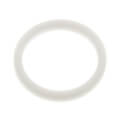

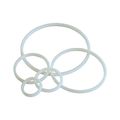
Rotalock gaskets are the sealing components used inside rotalock service valves, the threaded, quick-connect valves commonly found on refrigeration and air conditioning compressors and receivers. A rotalock valve seals its threaded connection with a flat gasket or O-ring seated against a machined surface, and that seal is what keeps refrigerant contained as a technician turns the valve body during service. Over repeated service cycles, exposure to refrigerant and compressor oil, and simple age, the gasket compresses, hardens, or tears, which lets refrigerant leak past the connection even when the valve itself is mechanically sound. Technicians replace the gasket any time a rotalock valve is opened for compressor changeout, gauge connection, or system evacuation, since reusing a worn gasket risks a leak that wastes refrigerant and can trigger a return trip. Stocking gaskets across the common rotalock sizes keeps a routine compressor service call from turning into a delay waiting on a part.
Subcategories
- 3/4 Inch Rotalock Gaskets: The 3/4 inch size covers many smaller rotalock connections found on light commercial refrigeration compressors and smaller receivers. Technicians use this size when servicing suction or discharge valve connections on compact refrigeration equipment. The gasket seats the same way regardless of application, sealing the threaded rotalock joint against the machined valve surface. Confirming the exact port size against the compressor's valve before ordering avoids a gasket that doesn't seat correctly.
- 1 Inch and 1-1/4 Inch Rotalock Gaskets: The 1 inch and 1-1/4 inch sizes cover mid-range rotalock connections common on larger commercial refrigeration and air conditioning compressors. Technicians reach for these sizes on equipment with higher refrigerant flow requirements than the smallest residential and light commercial units. The gasket material needs to hold up to the specific refrigerant and oil combination in the system. Keeping both sizes on a service truck covers most mid-size commercial compressor work.
- Rotalock Valve O-Rings and Seal Kits: O-rings and seal kits provide an alternative or supplementary seal option for rotalock valves that use an O-ring rather than a flat gasket, along with kits that bundle multiple seal sizes for technicians who service a range of equipment. Technicians select O-ring style seals when the specific valve design calls for that seal type instead of a flat gasket. The subcategory groups seals by the sizes most common across refrigeration and air conditioning service work. Carrying an assortment kit reduces the chance of a service call stalling for lack of the right seal.
Buying Guide
Buying the right rotalock gasket starts with confirming the exact size of the valve connection being serviced, since rotalock gaskets are sized to match specific valve port diameters and a gasket that's slightly off in size won't seat correctly against the machined surface. Material compatibility with the system's refrigerant and compressor oil matters just as much as size, since a gasket material that isn't compatible with the refrigerant in use can degrade faster than expected and fail well before a normal service interval. Technicians who service a mix of equipment sizes benefit from stocking rotalock gaskets across the common sizes, generally 3/4 inch through 1-3/4 inch, so a compressor changeout or gauge connection doesn't stall waiting on a specific part. Whether a given valve uses a flat gasket or an O-ring style seal depends on the valve's design, so checking the existing seal type before ordering a replacement, rather than assuming one style fits every rotalock valve, avoids buying the wrong seal type. Rotalock gaskets are a low-cost, high-consequence part: skipping a gasket replacement during a compressor swap to save time risks a slow refrigerant leak that surfaces well after the job is closed out, so replacing the gasket every time a rotalock connection is opened is standard practice rather than an optional step. Keeping a small assortment of sizes and seal types on hand covers the large majority of routine refrigeration and air conditioning service calls.
Frequently Asked Questions
When should a rotalock gasket be replaced?
The gasket should be replaced any time a rotalock valve connection is opened, such as during a compressor changeout, gauge connection, or system evacuation, since reusing a worn gasket risks a refrigerant leak.
What causes a rotalock gasket to fail?
Repeated service cycles, exposure to refrigerant and compressor oil, and normal aging cause the gasket to compress, harden, or tear, which lets refrigerant leak past an otherwise sound valve connection.
What sizes do rotalock gaskets come in?
Common sizes run from about 3/4 inch through 1-3/4 inch, covering the range of rotalock valve connections found on residential through larger commercial compressors.
Do all rotalock valves use the same type of seal?
No. Some rotalock valves use a flat gasket while others use an O-ring style seal, so checking the existing seal type before ordering a replacement avoids buying the wrong style.
Why not just reuse the existing gasket during a compressor swap?
Reusing a compressed or worn gasket risks a slow refrigerant leak that may not show up until well after the job is finished, which is why replacing the gasket is standard practice whenever the connection is opened.
