

CONTACT & SUPPORT
Live Chat: Online Now


0
CART

Solenoid Valves
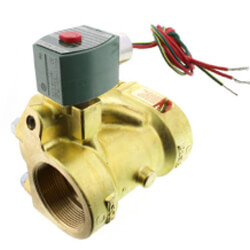
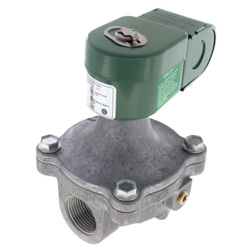
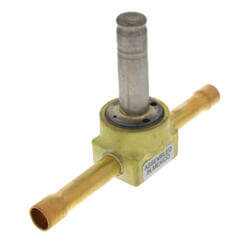
Solenoid valves control the flow of liquids and gases using magnetization and electricity. They're used across industries, including manufacturing, automotive, and refrigeration. Whether it's the precision of a pilot operated valve or the power of a direct-acting mechanism, solenoid valves come in different configurations to meet different needs.



Resources
FAQs, Manuals & Videos

Articles
More About Solenoid Valves
What is a Solenoid Valve?
A solenoid is a coil of wire that becomes magnetized when an electric current passes through it. Solenoids often have a hole in their center and a protruding metal rod that is pushed or pulled by magnetism when power is applied. A solenoid valve uses a solenoid to actuate the valve. This allows the flow of water, gas, or air to be controlled with electricity.
Selecting a Solenoid Valve
Solenoid valves come in various configurations and sizes. They can be normally open, normally closed, or possess a two-way configuration. A normally open solenoid valve allows a liquid or gas to flow through unless an electric current is applied, which then closes the valve. A normally closed valve will stay closed until an electric current is applied, which then opens the valve. A two-way solenoid valve has three ports: one common, one normally open, and a third which is normally closed. Certain features should be considered before selecting a solenoid valve, with the most important being the valve's voltage. Other factors that should be considered are flow capacity, wattage, valve type, pressure rating, and connection type.
Pilot vs. Direct Acting Solenoid Valves
These valves are known for their responsiveness and accuracy. Controlled by a pilot valve, Pilot Operated Solenoid Valves are often used in applications where higher flow rates and precise control is needed. Direct Acting Solenoid Valves work without the need for minimum operating pressure. They’re often chosen for their reliability and simplicity in operation.
Low-Pressure Options
Low Pressure Solenoid Valves provide control without needing high-pressure input, making them perfect for systems where delicate handling of fluids or gases is necessary.
Commercial and Cool
Refrigeration & Industrial Solenoid Valves are tailored for the specific applications, standards, and specifications of the refrigeration industry.
A solenoid is a coil of wire that becomes magnetized when an electric current passes through it. Solenoids often have a hole in their center and a protruding metal rod that is pushed or pulled by magnetism when power is applied. A solenoid valve uses a solenoid to actuate the valve. This allows the flow of water, gas, or air to be controlled with electricity.
Selecting a Solenoid Valve
Solenoid valves come in various configurations and sizes. They can be normally open, normally closed, or possess a two-way configuration. A normally open solenoid valve allows a liquid or gas to flow through unless an electric current is applied, which then closes the valve. A normally closed valve will stay closed until an electric current is applied, which then opens the valve. A two-way solenoid valve has three ports: one common, one normally open, and a third which is normally closed. Certain features should be considered before selecting a solenoid valve, with the most important being the valve's voltage. Other factors that should be considered are flow capacity, wattage, valve type, pressure rating, and connection type.
Pilot vs. Direct Acting Solenoid Valves
These valves are known for their responsiveness and accuracy. Controlled by a pilot valve, Pilot Operated Solenoid Valves are often used in applications where higher flow rates and precise control is needed. Direct Acting Solenoid Valves work without the need for minimum operating pressure. They’re often chosen for their reliability and simplicity in operation.
Low-Pressure Options
Low Pressure Solenoid Valves provide control without needing high-pressure input, making them perfect for systems where delicate handling of fluids or gases is necessary.
Commercial and Cool
Refrigeration & Industrial Solenoid Valves are tailored for the specific applications, standards, and specifications of the refrigeration industry.
Resources
More About Solenoid Valves
What is a Solenoid Valve?
A solenoid is a coil of wire that becomes magnetized when an electric current passes through it. Solenoids often have a hole in their center and a protruding metal rod that is pushed or pulled by magnetism when power is applied. A solenoid valve uses a solenoid to actuate the valve. This allows the flow of water, gas, or air to be controlled with electricity.
Selecting a Solenoid Valve
Solenoid valves come in various configurations and sizes. They can be normally open, normally closed, or possess a two-way configuration. A normally open solenoid valve allows a liquid or gas to flow through unless an electric current is applied, which then closes the valve. A normally closed valve will stay closed until an electric current is applied, which then opens the valve. A two-way solenoid valve has three ports: one common, one normally open, and a third which is normally closed. Certain features should be considered before selecting a solenoid valve, with the most important being the valve's voltage. Other factors that should be considered are flow capacity, wattage, valve type, pressure rating, and connection type.
Pilot vs. Direct Acting Solenoid Valves
These valves are known for their responsiveness and accuracy. Controlled by a pilot valve, Pilot Operated Solenoid Valves are often used in applications where higher flow rates and precise control is needed. Direct Acting Solenoid Valves work without the need for minimum operating pressure. They’re often chosen for their reliability and simplicity in operation.
Low-Pressure Options
Low Pressure Solenoid Valves provide control without needing high-pressure input, making them perfect for systems where delicate handling of fluids or gases is necessary.
Commercial and Cool
Refrigeration & Industrial Solenoid Valves are tailored for the specific applications, standards, and specifications of the refrigeration industry.
A solenoid is a coil of wire that becomes magnetized when an electric current passes through it. Solenoids often have a hole in their center and a protruding metal rod that is pushed or pulled by magnetism when power is applied. A solenoid valve uses a solenoid to actuate the valve. This allows the flow of water, gas, or air to be controlled with electricity.
Selecting a Solenoid Valve
Solenoid valves come in various configurations and sizes. They can be normally open, normally closed, or possess a two-way configuration. A normally open solenoid valve allows a liquid or gas to flow through unless an electric current is applied, which then closes the valve. A normally closed valve will stay closed until an electric current is applied, which then opens the valve. A two-way solenoid valve has three ports: one common, one normally open, and a third which is normally closed. Certain features should be considered before selecting a solenoid valve, with the most important being the valve's voltage. Other factors that should be considered are flow capacity, wattage, valve type, pressure rating, and connection type.
Pilot vs. Direct Acting Solenoid Valves
These valves are known for their responsiveness and accuracy. Controlled by a pilot valve, Pilot Operated Solenoid Valves are often used in applications where higher flow rates and precise control is needed. Direct Acting Solenoid Valves work without the need for minimum operating pressure. They’re often chosen for their reliability and simplicity in operation.
Low-Pressure Options
Low Pressure Solenoid Valves provide control without needing high-pressure input, making them perfect for systems where delicate handling of fluids or gases is necessary.
Commercial and Cool
Refrigeration & Industrial Solenoid Valves are tailored for the specific applications, standards, and specifications of the refrigeration industry.