




Sprinklers
Sprinklers cover both fire protection and irrigation systems used across residential, commercial, and light industrial properties. Contractors rely on this category to source heads, fittings, and related hardware for water-based fire suppression as well as landscape watering setups. Each subcategory addresses a distinct trade need, from code-driven fire sprinkler installations to seasonal lawn and garden irrigation runs.
Selecting the right sprinkler components depends heavily on the application, the piping material already in place, and local code requirements. Fire sprinkler work typically falls under NFPA guidelines and demands components rated for that specific use. Irrigation projects call for parts suited to buried poly or PVC lines and seasonal freeze-thaw cycles. Stocking both lines lets a contractor handle a broader range of service calls without sourcing from multiple suppliers.
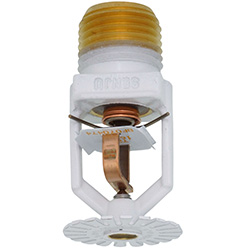
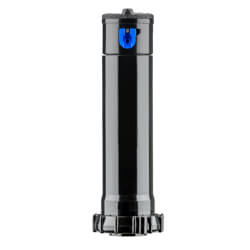

Subcategories
- Fire Sprinklers: Fire sprinkler heads and hangers support water-based suppression systems in commercial buildings, multi-family housing, and other structures subject to fire code. Options range from standard upright and pendant heads to concealed and sidewall styles. Hangers and fittings support the branch lines. Fire protection contractors use this line to complete new installs, tenant fit-outs, and system retrofits. Compatibility with existing pipe schedule and system design pressure matters more here than in most plumbing trades.
- Irrigation Supplies and Parts: Irrigation supplies and parts cover fittings, valves, and accessories. Landscapers and irrigation contractors use them to build or repair sprinkler zones. The line supports common poly and PVC lateral line setups along with drip and rotor-style zone configurations. Contractors use these parts for new landscape installs, seasonal winterization, and mid-season repairs after freeze damage or mower strikes. Matching fitting size and material to the existing zone piping keeps a repair from turning into a bigger rework.
Buying Guide
Choosing sprinkler components starts with identifying whether the job is fire protection or irrigation, since the two rarely share parts. Fire suppression work is governed by NFPA standards and typically specified by an engineer or code official, leaving less room for substitution. Irrigation work gives contractors more flexibility to match parts to the property's existing zone layout and water source.
For fire sprinkler jobs, head style and coverage pattern need to match the room's ceiling height, hazard classification, and existing pipe layout. Upright and pendant heads suit most standard commercial spaces, while concealed and sidewall heads fit finished areas where aesthetics matter. Hangers and supports must hold pipe at the spacing required by the system design, so confirming spec sheets before ordering saves a return trip.
Irrigation projects hinge on matching fitting material and size to what's already buried on the property. Poly pipe systems need barbed or compression fittings rated for that pipe's outer diameter, while PVC lateral lines take standard slip or threaded fittings. Mixing materials without the right transition fitting is a common cause of leaks at the connection point.
Water pressure and flow rate at the point of connection affect which heads or rotors will perform correctly across a zone. Running more heads than the available flow can support leads to weak coverage at the far end of a zone. Contractors should size zones to the supply before finalizing a parts list.
Climate also factors into irrigation part selection, particularly in regions with hard freezes. Systems need drain valves or blow-out fittings that let a contractor winterize the lines each fall. Choosing components built for that maintenance cycle up front reduces spring startup repairs.
Frequently Asked Questions
What's the difference between fire sprinkler heads and irrigation sprinkler heads?
Fire sprinkler heads are rated components tied to a building's fire suppression system and governed by NFPA standards, while irrigation heads control landscape watering and carry no life-safety rating. The two are never interchangeable, since fire heads require specific thermal and flow ratings that irrigation hardware doesn't provide.
How is the right fire sprinkler head style chosen for a space?
Head style depends on ceiling height, hazard classification, and whether the space is finished or unfinished. Upright and pendant heads cover most standard commercial layouts, while concealed and sidewall heads suit finished ceilings where a visible sprinkler head isn't desired.
What causes irrigation fittings to leak at the connection point?
Most leaks trace back to a fitting material or size that doesn't match the existing buried pipe. One example is pairing a PVC fitting directly to poly tubing without a transition piece. Confirming pipe material and outer diameter before ordering fittings prevents this.
Why do irrigation systems need winterization parts in colder climates?
Water left in buried lines through a hard freeze can crack pipe and fittings, so systems in freeze-prone regions need drain valves or blow-out fittings built into the design. Adding these parts during installation avoids costly repairs during spring startup.
Can standard PVC pipe be used for fire sprinkler installations?
Standard PVC pipe isn't rated for fire sprinkler systems in most applications, since fire suppression piping must meet specific listing and pressure requirements. Only pipe and fittings listed for fire protection use should go into a suppression system, per applicable code.
Resources
Subcategories
- Fire Sprinklers: Fire sprinkler heads and hangers support water-based suppression systems in commercial buildings, multi-family housing, and other structures subject to fire code. Options range from standard upright and pendant heads to concealed and sidewall styles. Hangers and fittings support the branch lines. Fire protection contractors use this line to complete new installs, tenant fit-outs, and system retrofits. Compatibility with existing pipe schedule and system design pressure matters more here than in most plumbing trades.
- Irrigation Supplies and Parts: Irrigation supplies and parts cover fittings, valves, and accessories. Landscapers and irrigation contractors use them to build or repair sprinkler zones. The line supports common poly and PVC lateral line setups along with drip and rotor-style zone configurations. Contractors use these parts for new landscape installs, seasonal winterization, and mid-season repairs after freeze damage or mower strikes. Matching fitting size and material to the existing zone piping keeps a repair from turning into a bigger rework.
Buying Guide
Choosing sprinkler components starts with identifying whether the job is fire protection or irrigation, since the two rarely share parts. Fire suppression work is governed by NFPA standards and typically specified by an engineer or code official, leaving less room for substitution. Irrigation work gives contractors more flexibility to match parts to the property's existing zone layout and water source.
For fire sprinkler jobs, head style and coverage pattern need to match the room's ceiling height, hazard classification, and existing pipe layout. Upright and pendant heads suit most standard commercial spaces, while concealed and sidewall heads fit finished areas where aesthetics matter. Hangers and supports must hold pipe at the spacing required by the system design, so confirming spec sheets before ordering saves a return trip.
Irrigation projects hinge on matching fitting material and size to what's already buried on the property. Poly pipe systems need barbed or compression fittings rated for that pipe's outer diameter, while PVC lateral lines take standard slip or threaded fittings. Mixing materials without the right transition fitting is a common cause of leaks at the connection point.
Water pressure and flow rate at the point of connection affect which heads or rotors will perform correctly across a zone. Running more heads than the available flow can support leads to weak coverage at the far end of a zone. Contractors should size zones to the supply before finalizing a parts list.
Climate also factors into irrigation part selection, particularly in regions with hard freezes. Systems need drain valves or blow-out fittings that let a contractor winterize the lines each fall. Choosing components built for that maintenance cycle up front reduces spring startup repairs.
Frequently Asked Questions
What's the difference between fire sprinkler heads and irrigation sprinkler heads?
Fire sprinkler heads are rated components tied to a building's fire suppression system and governed by NFPA standards, while irrigation heads control landscape watering and carry no life-safety rating. The two are never interchangeable, since fire heads require specific thermal and flow ratings that irrigation hardware doesn't provide.
How is the right fire sprinkler head style chosen for a space?
Head style depends on ceiling height, hazard classification, and whether the space is finished or unfinished. Upright and pendant heads cover most standard commercial layouts, while concealed and sidewall heads suit finished ceilings where a visible sprinkler head isn't desired.
What causes irrigation fittings to leak at the connection point?
Most leaks trace back to a fitting material or size that doesn't match the existing buried pipe. One example is pairing a PVC fitting directly to poly tubing without a transition piece. Confirming pipe material and outer diameter before ordering fittings prevents this.
Why do irrigation systems need winterization parts in colder climates?
Water left in buried lines through a hard freeze can crack pipe and fittings, so systems in freeze-prone regions need drain valves or blow-out fittings built into the design. Adding these parts during installation avoids costly repairs during spring startup.
Can standard PVC pipe be used for fire sprinkler installations?
Standard PVC pipe isn't rated for fire sprinkler systems in most applications, since fire suppression piping must meet specific listing and pressure requirements. Only pipe and fittings listed for fire protection use should go into a suppression system, per applicable code.