




Strainers
Strainers sit in a drain opening or piping run to catch debris before it can clog downstream plumbing. The category currently covers sink strainers sized for kitchen and bathroom drain openings.
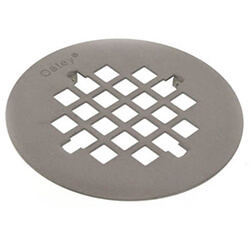
Choosing a strainer style depends on the fixture and finish, since kitchen sink strainers often need a basket style for catching food debris while bathroom strainers typically just need to catch hair and smaller debris. Replacing a corroded or clogged strainer is a quick fix that prevents larger drain blockages.


Subcategories
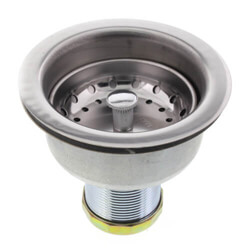
- Sink Strainers: Sink strainers sit in the drain opening of a kitchen or bathroom sink, catching food scraps, hair, and other debris before it enters the trap and waste line. Baskets, flanges, and stopper styles vary by sink type and whether the strainer needs to double as a stopper for filling the basin.
Buying Guide
Start by identifying where the strainer sits in the system, since a sink strainer, a supply line strainer, and a boiler feed strainer all serve different jobs even though the underlying idea of catching debris is the same.
Match mesh size to what needs to be filtered out. Fine mesh protects sensitive components like solenoid valves and pump seals from small grit, while a coarser screen is enough for general drain lines where the concern is larger debris rather than fine sediment.
Consider how the strainer will be cleaned. A removable basket or screen that comes out without disassembling the surrounding piping saves time on routine maintenance, especially in systems fed by well water or older galvanized pipe that sheds scale.
Check body material against the fluid and pressure in the line. Bronze and stainless bodies handle potable water and higher pressure applications well, while lighter plastic strainers are suited to low pressure drain applications only.
Confirm the connection type and size match the existing pipe before ordering, since a mismatched thread or sweat connection turns a simple strainer swap into an unplanned fitting run.
Frequently Asked Questions
What's the difference between a sink strainer and a basket strainer?
A sink strainer sits in the drain opening of a sink bowl and often doubles as a stopper, while a basket strainer is typically installed inline or in a larger sump to catch debris across a wider flow, such as in a commercial kitchen drain.
How often should a strainer screen be cleaned?
Cleaning frequency depends on sediment load in the water supply. Systems fed by well water or older piping may need monthly checks, while municipal water systems with newer piping often go much longer between cleanings.
Can a strainer be installed in any orientation?
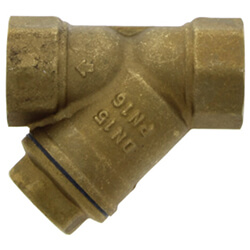
Most inline strainers are designed to be installed with the basket oriented downward so debris settles and can be removed without spilling, so checking the manufacturer's orientation marking before installation avoids a redo.
What happens if a strainer screen is too fine for the application?
An overly fine screen can restrict flow and increase pressure drop across the strainer, which shows up as reduced output at fixtures or added strain on a pump. Matching mesh size to the actual debris expected in the line avoids this.
Are strainers required by code in most plumbing systems?
Code requirements vary by jurisdiction and application, so checking local plumbing code for the specific fixture or equipment being protected is the most reliable way to confirm whether a strainer is mandatory or simply good practice.
Resources
Subcategories
- Sink Strainers: Sink strainers sit in the drain opening of a kitchen or bathroom sink, catching food scraps, hair, and other debris before it enters the trap and waste line. Baskets, flanges, and stopper styles vary by sink type and whether the strainer needs to double as a stopper for filling the basin.
Buying Guide
Start by identifying where the strainer sits in the system, since a sink strainer, a supply line strainer, and a boiler feed strainer all serve different jobs even though the underlying idea of catching debris is the same.
Match mesh size to what needs to be filtered out. Fine mesh protects sensitive components like solenoid valves and pump seals from small grit, while a coarser screen is enough for general drain lines where the concern is larger debris rather than fine sediment.
Consider how the strainer will be cleaned. A removable basket or screen that comes out without disassembling the surrounding piping saves time on routine maintenance, especially in systems fed by well water or older galvanized pipe that sheds scale.
Check body material against the fluid and pressure in the line. Bronze and stainless bodies handle potable water and higher pressure applications well, while lighter plastic strainers are suited to low pressure drain applications only.
Confirm the connection type and size match the existing pipe before ordering, since a mismatched thread or sweat connection turns a simple strainer swap into an unplanned fitting run.
Frequently Asked Questions
What's the difference between a sink strainer and a basket strainer?
A sink strainer sits in the drain opening of a sink bowl and often doubles as a stopper, while a basket strainer is typically installed inline or in a larger sump to catch debris across a wider flow, such as in a commercial kitchen drain.
How often should a strainer screen be cleaned?
Cleaning frequency depends on sediment load in the water supply. Systems fed by well water or older piping may need monthly checks, while municipal water systems with newer piping often go much longer between cleanings.
Can a strainer be installed in any orientation?
Most inline strainers are designed to be installed with the basket oriented downward so debris settles and can be removed without spilling, so checking the manufacturer's orientation marking before installation avoids a redo.
What happens if a strainer screen is too fine for the application?
An overly fine screen can restrict flow and increase pressure drop across the strainer, which shows up as reduced output at fixtures or added strain on a pump. Matching mesh size to the actual debris expected in the line avoids this.
Are strainers required by code in most plumbing systems?
Code requirements vary by jurisdiction and application, so checking local plumbing code for the specific fixture or equipment being protected is the most reliable way to confirm whether a strainer is mandatory or simply good practice.