




Swage Reducers

 --%3E %3Csvg version='1.1' id='No-RB' xmlns='http://www.w3.org/2000/svg' xmlns:xlink='http://www.w3.org/1999/xlink' x='0px' y='0px' viewBox='0 0 100 100' enable-background='new 0 0 100 100' xml:space='preserve'%3E %3Cpath fill='%23CECECE' d='M79.44,0.95H20.56C9.78,0.95,0.95,9.78,0.95,20.56v58.87c0,10.79,8.82,19.61,19.61,19.61h58.87 c10.79,0,19.61-8.83,19.61-19.61V20.56C99.05,9.78,90.22,0.95,79.44,0.95z M65.38,58.24l9.38,29.58L49.69,69.78L24.5,87.82 l9.34-29.6L8.8,39.6l30.73-0.17c0,0,6.98-19.61,10-28.93c0.54,1.36,9.88,29.1,9.88,29.1H91.2L65.38,58.24z'/%3E %3C/svg%3E)
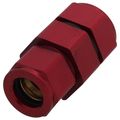

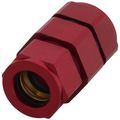
Swage Reducers are copper fittings that join two different line set diameters, letting the tubing run change from one size to a smaller one without a separate reducing coupling. Installers on air conditioning and refrigeration jobs use them wherever equipment manufacturers specify different diameters for liquid and suction lines on the same system, a common situation on split system and heat pump installs. Because a swage reducer expands one tube end to accept the next size instead of relying on a middle fitting, the connection needs only one brazed joint instead of two, cutting the number of potential leak points on a line set. Mueller Streamline manufactures wrought copper fittings for refrigeration applications in sizes from 1/4 inch to 8-1/8 inch outside diameter, and its ACR press-fit versions carry a 700 psi rating with dual independent seals. Fewer brazed joints on a line set means less torch time and fewer spots that can fail under system pressure or vibration over years of service, which is why many techs favor a reducer over a standard coupling whenever a line set changes size.
Subcategories
- Residential Line Set Reducers: Residential line set reducers handle the size transitions common on mini-split and single-family split system installs, where the liquid line and suction line often require different diameters at the outdoor unit connection. Installers use these fittings during initial line set installation as well as line set replacement work on retrofit jobs. Sizes commonly run from 3/8 inch up through 7/8 inch outside diameter to match residential equipment connection points. A single brazed reducer joint replaces what would otherwise take a coupling and two separate braze joints.
- Light Commercial Reducers: Light commercial reducers cover the larger tube diameters found on rooftop units and packaged systems serving small offices, restaurants, and retail spaces. Sizes typically start around 1-1/8 inch and extend to handle higher refrigerant volumes and longer line runs. Techs working on this equipment size reducers to the exact liquid and suction line diameters specified in the manufacturer's installation manual, since undersized lines restrict flow and oversized lines can cause oil return problems. Brazing time on these larger diameters runs longer than residential sizes, so a clean single-joint reducer connection saves real labor time on the roof.
- ACR Press-Fit Reducers: ACR press-fit reducers eliminate the brazing step entirely by using a mechanical seal rated for refrigerant service. Mueller Streamline's ACR press fitting line carries a 700 psi pressure rating and uses dual independent seals designed specifically for refrigerant gases rather than water or general plumbing use. Techs working in occupied spaces or near flammable materials often choose press-fit reducers to avoid open flame during installation. The connection still requires proper tube preparation and a calibrated press tool matched to the fitting size.
- Full-Range Reducer Stock: Full-range reducer stock covers the complete size lineup a shop needs to handle any line set transition that shows up on a service call. Mueller Streamline produces refrigeration-grade wrought copper fittings from 1/4 inch up to 8-1/8 inch outside diameter, covering everything from small mini-split lines to large commercial suction lines. Keeping a spread of sizes on a truck or in a warehouse bin cuts down on return trips for a missing fitting. Techs doing line set replacement work in particular benefit from carrying multiple reducer sizes since old equipment connection points don't always match new equipment specs.
Buying Guide
Picking the right reducer for a job starts with the exact tube sizes called out in the equipment installation manual, not the line set already sitting on a truck. Manufacturers frequently spec different diameters for liquid and suction lines on the same system, and swapping in a fitting sized for a different unit can restrict refrigerant flow or create an oil return problem that shows up as a comfort complaint months later.
Material and connection type matter next. Standard wrought copper Swage Reducers need a torch and filler metal, which works fine on new construction and most retrofit jobs but adds time and requires a hot work permit in some occupied buildings. ACR press-fit reducers skip the torch entirely, trading a slightly higher fitting cost for faster installation and no open flame, which many techs prefer on renovation work in finished spaces or near flammable materials.
Pressure rating rounds out the decision. Refrigeration-grade reducers built for ACR service carry ratings suited to system pressures, unlike general plumbing fittings that aren't rated for refrigerant gases. Stocking a spread of sizes, from small mini-split diameters up through larger commercial suction line sizes, cuts down on mid-job runs for a missing fitting. Techs doing frequent line set replacement work benefit most from carrying broad size coverage, since older equipment connection points rarely match current manufacturer specs exactly.
Frequently Asked Questions
What's the difference between a swage reducer and a standard coupling?
A swage reducer expands one tube end so it can accept a smaller diameter tube directly, joining the two sizes with a single brazed joint. A standard reducing coupling is a separate fitting soldered or brazed to both tube ends, which means two joints instead of one. Fewer joints on a line set generally means fewer potential leak points over the life of the system. Most techs favor the swage connection wherever the tube diameters and job conditions allow it.
What sizes do swage reducers come in?
Refrigeration-grade copper fittings for line set work span a wide range, with Mueller Streamline producing wrought copper fittings from 1/4 inch up to 8-1/8 inch outside diameter. Residential mini-split and split system installs typically use fittings on the smaller end of that range, while commercial rooftop and chiller work often calls for the larger diameters. Matching the reducer to the exact liquid and suction line sizes specified for the equipment keeps refrigerant flow and oil return working as designed. Installation manuals from the equipment manufacturer list the correct sizes for each connection point.
Can swage reducers be used without brazing?
Standard wrought copper swage reducers require a brazed joint, but ACR press-fit versions are built specifically to skip the torch. Press-fit reducers use a mechanical seal rated for refrigerant service, applied with a calibrated press tool sized to the fitting. Dual independent seals on press-fit versions are designed to hold refrigerant pressure without an open flame connection. Many techs choose press-fit options for occupied buildings or spaces where hot work isn't permitted.
What pressure rating do ACR reducers need?
Refrigeration-grade fittings need a pressure rating suited to refrigerant system pressures, which run well above typical water piping pressures. Mueller Streamline's ACR press-fit reducers carry a 700 psi rating with dual independent seals built for refrigerant gas service. General plumbing fittings aren't rated or sealed for this kind of service and shouldn't be substituted on a refrigerant line set. Checking the fitting's rated pressure against the system's operating and standby pressures during selection avoids a seal failure down the line.
Why do liquid and suction lines on the same system need different reducer sizes?
Equipment manufacturers size the liquid line and suction line differently because the refrigerant exists in different states and pressures at each point in the circuit. A line set installer often finds the outdoor unit connection calls for one diameter on the liquid side and a larger diameter on the suction side, requiring separate reducers if the existing tubing doesn't match. Installing the wrong size fitting on either line can restrict flow, cause oil return issues, or lead to a comfort complaint after startup. Checking the manufacturer's installation manual for both connection sizes before starting the brazing work prevents a callback for a mismatched fitting.
