




Lifebreath TFP Air Cleaners


 --%3E %3Csvg version='1.1' id='No-RB' xmlns='http://www.w3.org/2000/svg' xmlns:xlink='http://www.w3.org/1999/xlink' x='0px' y='0px' viewBox='0 0 100 100' enable-background='new 0 0 100 100' xml:space='preserve'%3E %3Cpath fill='%23CECECE' d='M79.44,0.95H20.56C9.78,0.95,0.95,9.78,0.95,20.56v58.87c0,10.79,8.82,19.61,19.61,19.61h58.87 c10.79,0,19.61-8.83,19.61-19.61V20.56C99.05,9.78,90.22,0.95,79.44,0.95z M65.38,58.24l9.38,29.58L49.69,69.78L24.5,87.82 l9.34-29.6L8.8,39.6l30.73-0.17c0,0,6.98-19.61,10-28.93c0.54,1.36,9.88,29.1,9.88,29.1H91.2L65.38,58.24z'/%3E %3C/svg%3E)


 --%3E %3Csvg version='1.1' id='Fill' xmlns='http://www.w3.org/2000/svg' xmlns:xlink='http://www.w3.org/1999/xlink' x='0px' y='0px' viewBox='0 0 100 100' enable-background='new 0 0 100 100' xml:space='preserve'%3E %3Cpath fill='%23F15C02' d='M79.44,0.95H20.56C9.78,0.95,0.95,9.78,0.95,20.56v58.87c0,10.79,8.82,19.61,19.61,19.61h58.87 c10.79,0,19.61-8.83,19.61-19.61V20.56C99.05,9.78,90.22,0.95,79.44,0.95z M65.38,58.24l9.38,29.58L49.69,69.78L24.5,87.82 l9.34-29.6L8.8,39.6l30.73-0.17c0,0,6.98-19.61,10-28.93c0.54,1.36,9.88,29.1,9.88,29.1H91.2L65.38,58.24z'/%3E %3C/svg%3E)


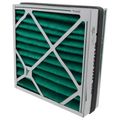

Lifebreath TFP Air Cleaners are ducted, whole-house filtration systems built to remove airborne particles at a higher level than a standard furnace filter can manage. The system combines a MERV-11 pre-filter with a true HEPA H13 secondary filter, together rated to capture 99.97% of particles down to 0.3 microns. Installed inline with existing forced-air ductwork, the unit runs continuously on standard 120 VAC power and fits into mechanical rooms with nominal dimensions of 30 inches tall, 15 inches wide, and 15 inches deep. Maintenance follows a set schedule: the TFP pre-filter collector gets swapped annually, while the HEPA cartridge holds up for about three years before replacement. For contractors serving allergy-sensitive households, homes near wildfire smoke regions, or clients upgrading indoor air quality alongside an HRV or ERV install, this filtration tier addresses fine particulates that standard filtration leaves behind. Choosing the right air cleaner up front means fewer callbacks and a system sized correctly for the ductwork it serves.
Subcategories
- Whole-House HEPA Air Cleaner Units: The TFP3000HEPA unit is the core hardware that installs inline with existing ductwork to filter the entire home's air supply rather than a single room. HVAC contractors spec this unit for new HRV/ERV installations or as a retrofit upgrade for households managing allergies or respiratory sensitivities. The unit measures 30 inches tall, 15 inches wide, and 15 inches deep and draws standard 120 VAC power for continuous operation. It carries a 5-year replacement parts warranty, though the filter and collector are considered wear items and are excluded from that coverage.
- Replacement HEPA Filters: The true HEPA H13 replacement cartridge fits inside the TFP unit's secondary filtration stage. Service technicians install a new cartridge roughly every three years as part of scheduled maintenance visits. Rated to capture 99.97% of particles down to 0.3 microns, it's the component doing the heaviest lifting on fine particulate removal. Homeowners with pets, allergies, or nearby construction dust tend to need this replacement checked during routine HVAC tune-ups.
- Replacement TFP Collectors: The TFP collector serves as the pre-filter stage ahead of the HEPA cartridge, catching larger particles before they reach the finer filter media. Manufacturer guidance calls for annual replacement of this collector to keep airflow and filtration performance consistent. Rated at MERV-11, the collector protects the more expensive HEPA filter from premature loading. Technicians typically stock this part for annual maintenance appointments scheduled alongside furnace or HRV service.
Buying Guide
Selecting the right whole-house air cleaner starts with matching filtration tier to the problem at hand. A standard MERV-8 furnace filter handles dust and larger allergens, but households dealing with wildfire smoke, severe pet dander, or respiratory conditions typically need HEPA-level filtration capable of catching particles down to 0.3 microns. Lifebreath TFP Air Cleaners fill that role, combining a MERV-11 pre-filter stage with a true HEPA H13 secondary filter in one ducted unit.
Ductwork compatibility should be confirmed before quoting the job. The unit installs inline with existing forced-air ductwork and needs mechanical room clearance for its 30 inch by 15 inch by 15 inch footprint, plus access to a standard 120 VAC circuit for continuous operation.
Maintenance cost and scheduling matter as much as upfront selection. The TFP collector needs annual replacement while the HEPA cartridge lasts roughly three years, so both should factor into a service contract or a homeowner maintenance reminder. Neither the collector nor the filter falls under the unit's 5-year parts warranty, so setting expectations with the customer early avoids confusion at the first filter change.
Pairing this air cleaner with an HRV or ERV installation is common since both systems address indoor air quality from different angles: filtration versus fresh air exchange. Bundling the work into a single visit reduces total truck rolls for the job.
Frequently Asked Questions
How often do the filters in a Lifebreath TFP Air Cleaner need to be replaced?
The TFP pre-filter collector requires annual replacement, while the HEPA H13 cartridge typically lasts about three years before it needs swapping. Following this schedule keeps airflow steady and maintains the system's rated 99.97% particle capture at 0.3 microns. Skipping a scheduled change can reduce airflow through the ductwork and shorten the life of the downstream HEPA filter.
What size clearance does a Lifebreath TFP Air Cleaner need in a mechanical room?
The unit has nominal dimensions of 30 inches tall by 15 inches wide by 15 inches deep, so mechanical room layouts need to account for that footprint plus room for duct connections. Access to a standard 120 VAC circuit is also required since the unit runs continuously. Planning clearance during rough-in prevents tight retrofits later.
Does the warranty cover the HEPA filter and collector on Lifebreath TFP units?
The base unit carries a 5-year replacement parts warranty, but the collector and filter are treated as consumable wear items and are excluded from that coverage. Budgeting for scheduled collector and filter replacement separately from the parts warranty helps set accurate expectations with homeowners. Most contractors fold this into an annual maintenance visit.
What's the difference between the pre-filter collector and the HEPA cartridge in this system?
The TFP collector is rated MERV-11 and handles larger particles first, protecting the finer HEPA H13 cartridge from premature loading. Together the two stages are rated to capture 99.97% of airborne particles down to 0.3 microns. Replacing the collector on schedule extends the working life of the more expensive HEPA filter.
Can a Lifebreath TFP Air Cleaner be installed alongside an HRV or ERV system?
The unit installs inline with existing forced-air ductwork, which makes it straightforward to pair with an HRV or ERV during the same job. Filtration and fresh air exchange address different indoor air quality issues, so running both systems together covers particulate removal and ventilation in one project. Bundling the installs into a single visit is common practice for contractors upgrading a home's overall air quality package.
