




Tankless Coils

 --%3E %3Csvg version='1.1' id='Fill' xmlns='http://www.w3.org/2000/svg' xmlns:xlink='http://www.w3.org/1999/xlink' x='0px' y='0px' viewBox='0 0 100 100' enable-background='new 0 0 100 100' xml:space='preserve'%3E %3Cpath fill='%23F15C02' d='M79.44,0.95H20.56C9.78,0.95,0.95,9.78,0.95,20.56v58.87c0,10.79,8.82,19.61,19.61,19.61h58.87 c10.79,0,19.61-8.83,19.61-19.61V20.56C99.05,9.78,90.22,0.95,79.44,0.95z M65.38,58.24l9.38,29.58L49.69,69.78L24.5,87.82 l9.34-29.6L8.8,39.6l30.73-0.17c0,0,6.98-19.61,10-28.93c0.54,1.36,9.88,29.1,9.88,29.1H91.2L65.38,58.24z'/%3E %3C/svg%3E)

 --%3E %3Csvg version='1.1' id='No-RB' xmlns='http://www.w3.org/2000/svg' xmlns:xlink='http://www.w3.org/1999/xlink' x='0px' y='0px' viewBox='0 0 100 100' enable-background='new 0 0 100 100' xml:space='preserve'%3E %3Cpath fill='%23CECECE' d='M79.44,0.95H20.56C9.78,0.95,0.95,9.78,0.95,20.56v58.87c0,10.79,8.82,19.61,19.61,19.61h58.87 c10.79,0,19.61-8.83,19.61-19.61V20.56C99.05,9.78,90.22,0.95,79.44,0.95z M65.38,58.24l9.38,29.58L49.69,69.78L24.5,87.82 l9.34-29.6L8.8,39.6l30.73-0.17c0,0,6.98-19.61,10-28.93c0.54,1.36,9.88,29.1,9.88,29.1H91.2L65.38,58.24z'/%3E %3C/svg%3E)

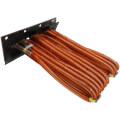

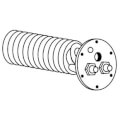
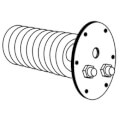
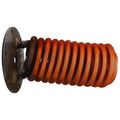
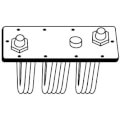
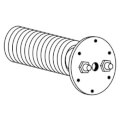
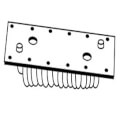
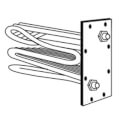
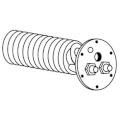
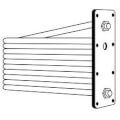
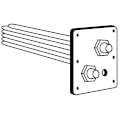
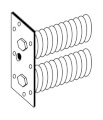
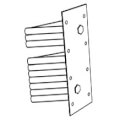
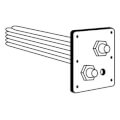
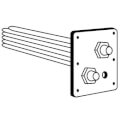
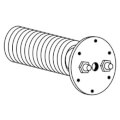
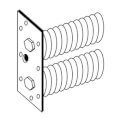

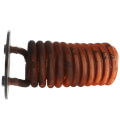
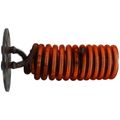
Tankless coils are heat exchangers installed inside a boiler to produce domestic hot water on demand without a separate storage tank. Boiler water surrounds the coil, and cold potable water passes through it, picking up heat as it flows to the fixture, which is why these coils are common on older cast iron and steel residential and light commercial boilers built before indirect water heaters became standard. Because the coil sits inside the boiler's water jacket, replacement coils are matched to the specific boiler make, model, and section count rather than sold as a universal fit. A tech pulling a tankless coil for repair is usually addressing reduced hot water flow, a leak between the boiler and domestic water side, or scale buildup that's choking flow through the coil.
Subcategories
- Cast Iron Boiler Tankless Coils: These coils are sized and shaped to fit the tankless coil opening on cast iron sectional boilers, which represent a large share of the older residential boiler stock still in service. Matching the coil to the boiler's exact model and section count is critical since cast iron boiler dimensions vary by manufacturer and vintage.
- Steel Boiler Tankless Coils: Steel boiler tankless coils fit the coil wells built into steel-bodied residential and light commercial boilers. As with cast iron units, the coil has to match the specific boiler model rather than a generic size.
- Tankless Coil Gaskets & Seals: Gaskets and seals mount between the coil and the boiler's coil well, and a failed gasket is a common source of water intrusion into the boiler's combustion chamber. Replacing the gasket along with the coil, rather than reusing an old one, reduces the chance of a repeat leak.
- Coil Cleaning & Scale Removal Supplies: Mineral scale builds up inside a tankless coil over time, especially in hard water areas, and gradually reduces hot water flow and recovery rate. Descaling supplies let a tech restore flow on a coil that's still structurally sound before deciding a full coil replacement is needed.
Buying Guide
Ordering a replacement tankless coil starts with identifying the boiler's exact make, model, and section count, since the coil has to fit a specific coil well opening rather than a standard size across brands. The existing coil's tag or the boiler's own data plate is the most reliable place to confirm this before placing an order.
Symptoms help narrow down whether a coil replacement is actually needed. Reduced hot water flow or slow recovery often points to mineral scale buildup inside the coil, which can sometimes be cleared with a descaling treatment rather than a full replacement. Water showing up in the boiler's combustion chamber or a drop in boiler water level paired with fine hot water usually signals a coil leak or a failed gasket, both of which call for replacement rather than cleaning.
Because tankless coil boilers are increasingly being phased out in favor of separate indirect water heaters, it's worth discussing with the customer whether repairing the existing coil is the right long-term move or whether the job is a good candidate for adding an indirect tank instead. That decision usually comes down to the age and condition of the boiler itself, not just the coil.
Frequently Asked Questions
What does a tankless coil do inside a boiler?
A tankless coil is a heat exchanger submerged in the boiler's water jacket that heats domestic water as it passes through, producing hot water on demand without a separate storage tank.
Are tankless coils a universal fit across boiler brands?
No. A tankless coil has to match the specific boiler make, model, and section count since it fits into a coil well sized by that manufacturer. Always confirm the boiler's exact model before ordering.
What causes reduced hot water flow from a tankless coil?
Mineral scale buildup inside the coil is the most common cause of reduced flow and slower recovery, particularly in hard water areas. Descaling can sometimes restore flow before a full coil replacement is needed.
How do I know if a tankless coil is leaking?
Signs include water appearing in the boiler's combustion chamber, a drop in boiler water level, or a change in hot water quality. These symptoms typically call for coil replacement rather than cleaning.
Should a gasket be replaced along with the coil?
Yes. Reusing an old gasket increases the chance of a repeat leak between the coil and the boiler's coil well, so a new gasket is typically installed with any coil replacement.
