




Cast Iron Tees

 --%3E %3Csvg version='1.1' id='No-RB' xmlns='http://www.w3.org/2000/svg' xmlns:xlink='http://www.w3.org/1999/xlink' x='0px' y='0px' viewBox='0 0 100 100' enable-background='new 0 0 100 100' xml:space='preserve'%3E %3Cpath fill='%23CECECE' d='M79.44,0.95H20.56C9.78,0.95,0.95,9.78,0.95,20.56v58.87c0,10.79,8.82,19.61,19.61,19.61h58.87 c10.79,0,19.61-8.83,19.61-19.61V20.56C99.05,9.78,90.22,0.95,79.44,0.95z M65.38,58.24l9.38,29.58L49.69,69.78L24.5,87.82 l9.34-29.6L8.8,39.6l30.73-0.17c0,0,6.98-19.61,10-28.93c0.54,1.36,9.88,29.1,9.88,29.1H91.2L65.38,58.24z'/%3E %3C/svg%3E)
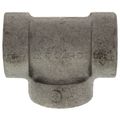
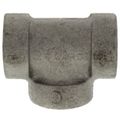
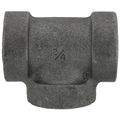
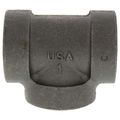

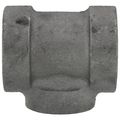
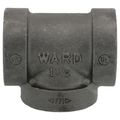
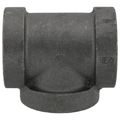
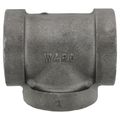
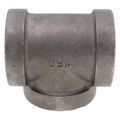
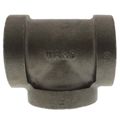
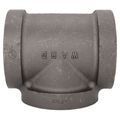
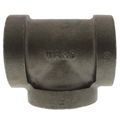
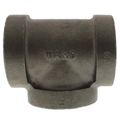

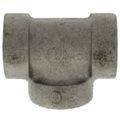
Cast Iron Tees are branching pipe fittings that split a single cast iron line into two directions, most often used in drain, waste, and vent systems or steam heating lines. Sizing follows an end by end by middle format, where the two matching connections describe the run and the third connection describes the branch, so a tee described as 4 inch by 4 inch by 2 inch has a 4 inch run with a 2 inch branch. Ward brand cast iron tees, a common line stocked for these applications, come in black cast iron with threaded connections built for steam service. Cast iron holds up under the heat cycling that steam lines see and resists the physical wear of a DWV stack better than lighter materials in some retrofit situations. Plumbers and steam fitters reach for a cast iron tee specifically when a job calls for matching existing cast iron pipe rather than transitioning to a different material mid-run.
Subcategories
- Straight Cast Iron Tees: A straight cast iron tee carries the same size connection on the run and the branch, such as a 4 inch by 4 inch by 4 inch fitting. Sanitary drain, waste, and vent stacks commonly use this configuration when a branch line joins the main at full size. Threaded and hub connection styles are both available depending on whether the surrounding pipe is threaded cast iron or hub-and-spigot style. Matching connection style to the existing pipe run avoids adding a separate adapter fitting.
- Reducing Cast Iron Tees: A reducing cast iron tee steps the branch connection down from the run size, described in formats such as 4 inch by 4 inch by 2 inch or 6 inch by 6 inch by 3 inch. Plumbers use this configuration to tie a smaller branch line, such as a single fixture drain, into a larger horizontal main without upsizing the entire branch run. Sizes scale up through the larger diameters used in commercial and industrial DWV systems. Reading the size format correctly, run first and branch last, prevents ordering the wrong fitting for the job.
- Cast Iron Steam Tees: Cast iron steam tees, such as the Ward FCITE3 3 inch model, use black cast iron construction with threaded connections built specifically for steam heating service. Steam systems cycle through higher heat than typical DWV lines, and cast iron construction holds up under that repeated cycling better than lighter alternatives. Steam fitters spec these tees when extending or repairing an existing steam main built from cast iron pipe. Threaded connections match the joining method used throughout most older steam systems.
Buying Guide
Start with the application before looking at size. Steam heating systems need a tee built for that service, such as a black cast iron steam tee with threaded connections, while drain, waste, and vent systems typically use a hub or threaded DWV-rated tee instead. Using a DWV tee on a steam line, or the reverse, risks a fitting that was not built for the pressure and heat cycling of the actual system.
Reading the size format correctly prevents ordering the wrong fitting. Cast Iron Tees follow an end by end by middle sizing convention, so a 4 inch by 4 inch by 2 inch tee has a 4 inch run with a 2 inch branch, not a 4 inch branch off a 2 inch run. Confirming which dimension refers to the run and which refers to the branch before placing an order avoids a fitting that does not match the existing pipe.
Connection style should match the surrounding pipe exactly. Threaded connections pair with threaded cast iron pipe runs, while hub connections pair with hub-and-spigot pipe. Mixing connection styles mid-run adds an adapter fitting that a matched connection would not require. Retrofit and repair jobs on older buildings benefit most from confirming the existing pipe's connection style before ordering a replacement tee, since older cast iron systems are not always built to a single consistent standard throughout the building.
Frequently Asked Questions
How are cast iron tees sized?
Cast iron tees use an end by end by middle sizing format, where the first two numbers describe the matching run connections and the third number describes the branch. A 4 inch by 4 inch by 2 inch tee has a 4 inch run with a 2 inch branch tied into it. Reading the size in this order prevents ordering a fitting with the run and branch reversed.
What is the difference between a straight and a reducing cast iron tee?
A straight cast iron tee carries the same size connection on the run and the branch, while a reducing tee steps the branch down to a smaller size than the run. Reducing tees such as a 6 inch by 6 inch by 3 inch fitting let a smaller branch line join a larger main without upsizing the branch. Matching the tee type to the actual pipe sizes on both sides of the joint keeps the fitting correctly rated.
Can a standard cast iron tee be used on a steam line?
A standard DWV-rated cast iron tee is not the same fitting as a cast iron steam tee. Steam tees use black cast iron construction with threaded connections specifically built to handle the heat cycling of steam heating systems. Using a DWV tee on a steam line risks a fitting not rated for that service.
What connection types do cast iron tees use?
Cast iron tees come with threaded connections or hub-and-spigot connections depending on the pipe system they join. Threaded connections match threaded cast iron pipe runs, common in steam systems, while hub connections match hub-and-spigot DWV pipe. Confirming the existing pipe's connection style before ordering avoids needing an adapter fitting.
Why choose cast iron over other tee materials for a repair?
Cast iron tees match the material already in place on older DWV and steam systems, avoiding a dissimilar-material joint that a repair with PVC or another material would create. Cast iron also holds up under the heat cycling seen in steam lines better than lighter materials. Retrofit and repair jobs on older buildings commonly spec cast iron specifically to match the existing system.
