




Trane Bearing Kits

 --%3E %3Csvg version='1.1' id='No-RB' xmlns='http://www.w3.org/2000/svg' xmlns:xlink='http://www.w3.org/1999/xlink' x='0px' y='0px' viewBox='0 0 100 100' enable-background='new 0 0 100 100' xml:space='preserve'%3E %3Cpath fill='%23CECECE' d='M79.44,0.95H20.56C9.78,0.95,0.95,9.78,0.95,20.56v58.87c0,10.79,8.82,19.61,19.61,19.61h58.87 c10.79,0,19.61-8.83,19.61-19.61V20.56C99.05,9.78,90.22,0.95,79.44,0.95z M65.38,58.24l9.38,29.58L49.69,69.78L24.5,87.82 l9.34-29.6L8.8,39.6l30.73-0.17c0,0,6.98-19.61,10-28.93c0.54,1.36,9.88,29.1,9.88,29.1H91.2L65.38,58.24z'/%3E %3C/svg%3E)

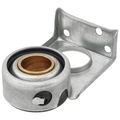
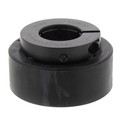
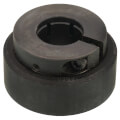
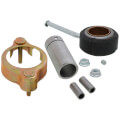
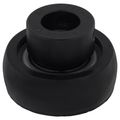
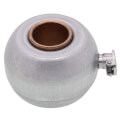

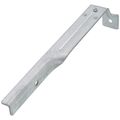

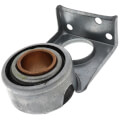
Trane bearing kits replace the bearings inside Trane blower motors and condenser fan motors when a motor still runs but starts to hum, grind, or vibrate at startup. A bearing kit lets a technician address worn bearings on a motor that otherwise tests fine electrically, rather than replacing the entire motor over a single worn component. Fitting the correct kit means matching the bearing bore size, shaft length, and mounting hardware to the exact motor frame, since these dimensions differ across Trane's residential and light commercial product lines. Bearings in a sealed motor typically wear gradually, so a noise complaint that develops over months rather than appearing suddenly is a common sign that a bearing kit will resolve the issue. Addressing worn bearings before they seize also protects the motor windings from the added strain of a binding shaft, extending the service life of equipment that would otherwise need a full motor replacement.
Subcategories
- Indoor Blower Motor Bearing Kits: Indoor blower motor bearing kits address the motor that pulls air across the coil and pushes it through the duct system inside a furnace or air handler cabinet. Technicians typically reach for this kit after isolating a grinding or humming noise to the blower motor itself rather than the fan wheel or housing. Because the blower runs on a cycling schedule tied to the thermostat, bearing wear here tends to show up as intermittent noise before it becomes constant. Matching the kit to the specific blower motor frame keeps the bearing seated correctly against the original shaft tolerances.
- Condenser Fan Motor Bearing Kits: Condenser fan motor bearing kits serve the outdoor unit's fan motor, which runs in direct exposure to rain, humidity, and airborne debris that an indoor blower motor never sees. Outdoor exposure like this accelerates bearing wear compared with equipment installed in a conditioned mechanical room. A technician working seasonal maintenance on an aging condensing unit often checks fan motor bearings proactively rather than waiting for a failure during peak cooling season. Kits for this application need to account for the motor's outdoor-rated housing and mounting bracket.
- Commercial Air Handler Bearing Kits: Commercial air handler bearing kits fit the larger-frame motors used in Trane's higher-CFM blower coil units, which run longer duty cycles than a typical residential blower motor. Commercial-duty motors see more continuous operating hours in commercial buildings, so bearing wear can appear on a shorter calendar timeline even though the parts are built for heavier duty. Replacing bearings on this scale of motor is usually more cost-effective than swapping the entire assembly. Technicians pair bearing kit installation with an inspection of the motor mounts and vibration isolators on this equipment.
Buying Guide
Start by confirming the exact motor model before ordering a bearing kit, since bearing bore size, shaft length, and mounting hardware differ across Trane's blower and condenser fan motor lines. The model and serial number are usually printed on a nameplate attached to the motor housing, and matching that number against the parts catalog is faster and more reliable than trying to measure a worn bearing by hand. Next, confirm the failure is isolated to the bearings rather than pointing to a larger motor problem.
A motor that still spins freely and draws the correct amperage but makes noise at startup is a strong candidate for Trane bearing kits, while a motor that trips overload protection, will not spin, or shows signs of winding damage usually needs full replacement instead. For outdoor condenser fan motors, factor in that continuous exposure to moisture and debris accelerates bearing wear compared with an indoor blower motor, so proactive inspection on older outdoor units can prevent a mid-season failure.
When servicing a commercial air handler, check whether the motor's mounting hardware and vibration isolators need replacement alongside the bearings, since commercial-duty equipment often uses different isolation components than residential units. Keeping a small stock of common bearing kit sizes on hand for equipment ages prone to this failure allows a same-visit repair on a noisy motor, which avoids a return trip while a full replacement motor is sourced if the bearing swap does not resolve the noise.
Frequently Asked Questions
How can a technician tell a motor needs new bearings instead of a full replacement?
If the motor spins freely, pulls the correct amp draw, and shows no burnt winding smell but produces a grinding or humming noise at startup, worn bearings are the likely cause and a bearing kit typically resolves it without a full motor swap.
Do Trane bearing kits fit across different motor frame sizes?
No. Bearing bore size, shaft length, and mounting hardware vary across Trane's residential and commercial motor lines, so a kit has to match the exact motor frame rather than a single universal part.
Is bearing wear on a condenser fan motor different from an indoor blower motor?
Yes. Condenser fan motors run in direct outdoor exposure to moisture and debris, which tends to accelerate bearing wear compared with an indoor blower motor operating inside a conditioned space.
What comes with a typical bearing kit besides the bearings themselves?
Most kits include the mounting hardware, such as snap rings or spacers, that gets removed during teardown, so the repair does not stall waiting on a separate hardware order.
Should bearing kits be replaced proactively during routine maintenance?
On older equipment nearing the end of its typical service life, checking bearing condition during a scheduled maintenance visit can catch wear before it causes a noise complaint or a mid-season failure.
