




Filters
SORT
Product Availability –
Review Score –
 --%3E %3Csvg version='1.1' id='Fill' xmlns='http://www.w3.org/2000/svg' xmlns:xlink='http://www.w3.org/1999/xlink' x='0px' y='0px' viewBox='0 0 100 100' enable-background='new 0 0 100 100' xml:space='preserve'%3E %3Cpath fill='%23F15C02' d='M79.44,0.95H20.56C9.78,0.95,0.95,9.78,0.95,20.56v58.87c0,10.79,8.82,19.61,19.61,19.61h58.87 c10.79,0,19.61-8.83,19.61-19.61V20.56C99.05,9.78,90.22,0.95,79.44,0.95z M65.38,58.24l9.38,29.58L49.69,69.78L24.5,87.82 l9.34-29.6L8.8,39.6l30.73-0.17c0,0,6.98-19.61,10-28.93c0.54,1.36,9.88,29.1,9.88,29.1H91.2L65.38,58.24z'/%3E %3C/svg%3E)
Price Range –
Trane Compressors


 --%3E %3Csvg version='1.1' id='No-RB' xmlns='http://www.w3.org/2000/svg' xmlns:xlink='http://www.w3.org/1999/xlink' x='0px' y='0px' viewBox='0 0 100 100' enable-background='new 0 0 100 100' xml:space='preserve'%3E %3Cpath fill='%23CECECE' d='M79.44,0.95H20.56C9.78,0.95,0.95,9.78,0.95,20.56v58.87c0,10.79,8.82,19.61,19.61,19.61h58.87 c10.79,0,19.61-8.83,19.61-19.61V20.56C99.05,9.78,90.22,0.95,79.44,0.95z M65.38,58.24l9.38,29.58L49.69,69.78L24.5,87.82 l9.34-29.6L8.8,39.6l30.73-0.17c0,0,6.98-19.61,10-28.93c0.54,1.36,9.88,29.1,9.88,29.1H91.2L65.38,58.24z'/%3E %3C/svg%3E)

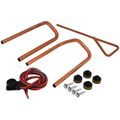

Trane compressors are the OEM replacement compressors used to repair residential and light commercial Trane air conditioners and heat pumps when the original compressor fails or loses capacity. The category spans scroll and reciprocating compressor designs matched to specific tonnage and refrigerant platforms across Trane's condensing unit lineup. Compressor replacement is one of the more involved repairs in residential HVAC, since it requires proper refrigerant recovery, system evacuation, and often a filter drier change to protect the new compressor from contamination left behind by the failed one. A condensing unit that trips on high pressure, runs but does not cool, or hums without starting is showing classic symptoms of compressor trouble, though a failed capacitor or contactor can mimic some of the same signs. Getting the diagnosis right before ordering avoids an expensive part sitting unused because the real problem was electrical.
Subcategories
- Scroll Compressors: Scroll compressors are the dominant design in newer Trane residential and light commercial condensing units, prized for quiet operation and fewer moving parts than older reciprocating designs. A scroll compressor that hums but will not start often has a failed start capacitor or contactor rather than a bad compressor, so both should be checked first.
- Reciprocating Compressors: Reciprocating compressors are found on older Trane equipment and some commercial platforms, using a piston design that is more tolerant of certain operating conditions but generally louder than scroll designs. Replacement reciprocating compressors are harder to source as older platforms age out of production, so confirming availability before committing to a repair versus replacement decision matters.
- Compressor Accessories & Start Components: Start capacitors, start relays, and crankcase heaters protect the compressor and help it start reliably, especially in cold weather or after long periods of downtime. Replacing these components alongside a new compressor reduces the odds of a repeat failure caused by hard starting.
Buying Guide
Confirm the exact model and serial number of the condensing unit before ordering, since Trane Compressors span multiple tonnage sizes, refrigerant types, and compressor designs that are not interchangeable across platforms.
Rule out electrical causes before assuming the compressor has failed. A bad start capacitor, weak contactor, or low voltage condition can produce symptoms that look identical to a failed compressor, and replacing the wrong part wastes both time and money.
Always replace the filter drier and flush or evacuate the refrigerant circuit properly when installing a new compressor, particularly after a burnout, since contamination left in the lines is a leading cause of early failure on an otherwise good replacement compressor.
Weigh repair against replacement on older units. A compressor failure on equipment already near the end of its expected service life is often a signal to discuss full system replacement with the property owner rather than investing in a major repair.
Frequently Asked Questions
What are the signs of a failing Trane compressor?
A condensing unit that trips on high pressure, runs without cooling effectively, or hums without starting can point to compressor trouble, though electrical issues like a bad capacitor should be ruled out first.
Can a bad capacitor be mistaken for a failed compressor?
Yes, a weak start or run capacitor can prevent a compressor from starting even when the compressor itself is still good, so checking electrical components first avoids an unnecessary replacement.
Why does the filter drier need to be replaced during a compressor swap?
A failed compressor, especially one that burns out, can leave contamination and acid in the refrigerant lines, and a fresh filter drier helps protect the new compressor from that residue.
Are scroll and reciprocating compressors interchangeable on Trane equipment?
No, the compressor type is matched to the original equipment design, and swapping designs is not a straightforward retrofit even when tonnage appears similar.
When does it make sense to replace the whole unit instead of the compressor?
Older equipment already near the end of its service life, or units using a phased-out refrigerant, are often better candidates for full replacement than a major compressor repair.
