




Uponor PEX Fittings
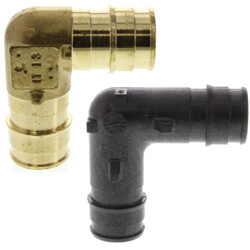
Uponor PEX fittings connect PEX-a tubing in plumbing, hydronic, and radiant heating systems without solvent, glue, or a torch. The main connection method, ProPEX, works by expanding a PEX ring and the tube itself over a barbed insert fitting. The tube's memory then contracts it back down to form a tight, leak-free joint as the material cools.
Contractors pick Uponor fittings for both plumbing distribution and radiant floor heating manifolds. The system covers copper tube size compression fittings, valves, and manifold adapters in addition to the expansion style connections. SupplyHouse groups fittings by connection method, since a ProPEX expansion tool and a WIPEX compression fitting solve the same basic problem in different ways.


Subcategories
- Uponor ProPEX Expander Fittings: ProPEX expander fittings are the core connection method for Uponor PEX-a systems. A battery or manual expansion tool stretches a PEX ring and tube over a barbed insert fitting. As the tubing relaxes back around the fitting, it forms a compression seal without solvent, glue, or heat. The line covers elbows, tees, couplings, and valve adapters sized for common PEX tubing diameters used in plumbing and radiant heat installs. Because the joint tightens further as the system reaches operating temperature, it's a common choice for both potable water and hydronic heating lines.
- WIPEX Fittings: WIPEX fittings connect PEX and PEX-AL-PEX tubing using a compression nut and split ring rather than an expansion tool. A crew without a ProPEX expander can still make a mechanical connection. The fitting compresses around the tube as the nut is tightened, and connections can typically be disassembled and reused if a line needs to be reworked. Plumbers commonly reach for WIPEX fittings on radiant manifolds, service repairs, and smaller jobs where buying an expansion tool isn't practical for the amount of work involved.
Buying Guide
Deciding between ProPEX and WIPEX connections mostly comes down to tooling and job size. A contractor doing regular PEX-a plumbing or radiant work benefits from investing in a ProPEX expansion tool. Expansion fittings are the standard connection method across most of the Uponor system. The tool pays for itself over repeated use.
For occasional repairs, small radiant zones, or situations where a rework needs to come apart later, WIPEX fittings are worth stocking alongside the ProPEX line. Uponor PEX Fittings in the WIPEX family don't require a powered tool, just a wrench, which makes them a practical backup for service trucks that don't carry expansion equipment.
Fitting size has to match both the tubing diameter and the application. Manifold adapters and valve fittings are typically sized for the trunk lines feeding a radiant zone. Smaller elbows and couplings serve individual branch runs. Checking the tubing size chart before ordering avoids a mismatched fitting at rough in.
Material compatibility is another factor. Some fittings are brass, and others have a polymer body. The choice can matter for potable water applications where local code specifies lead free brass, or where a system runs at higher operating temperatures typical of hydronic heating.
Stocking a mixed set of elbows, tees, couplings, and reducers in the sizes used most often on a given job type keeps a rough in moving without a mid job supply run. Pairing that stock with the correct expansion or compression tool for the connection method chosen keeps every joint consistent from one install to the next.
Frequently Asked Questions
What's the difference between ProPEX and WIPEX fittings?
ProPEX fittings connect using an expansion tool that stretches the tube and a ring over a barbed insert. WIPEX fittings use a compression nut and split ring tightened with a wrench. Both are Uponor connection methods, but ProPEX needs a dedicated expansion tool and WIPEX doesn't.
Can Uponor PEX fittings be used for radiant floor heating?
Yes. ProPEX fittings are a common choice for hydronic heating lines, and the joint tightens further as the system reaches operating temperature. WIPEX fittings are commonly used on radiant manifolds.
Do Uponor fittings work with PEX from other manufacturers?
Uponor fittings are designed and dimensioned for Uponor PEX-a tubing. Mixing tubing and fitting brands isn't recommended, since tolerances between different PEX systems can vary enough to affect how well a compression or expansion joint seals.
Is a special tool required to install ProPEX fittings?
Yes, a ProPEX expansion tool is needed to stretch the tubing and ring over the fitting. Manual and battery powered expander tools are both available, and the choice usually comes down to how much PEX a crew installs on a regular basis.
Can a WIPEX fitting be reused if a connection needs to be taken apart?
In many cases, yes. Because the connection relies on a compression nut and ring rather than a permanent expanded joint, a WIPEX fitting can often be loosened and reassembled during a repair. The ring and tube end should be inspected for damage before reuse.
Resources
Subcategories
- Uponor ProPEX Expander Fittings: ProPEX expander fittings are the core connection method for Uponor PEX-a systems. A battery or manual expansion tool stretches a PEX ring and tube over a barbed insert fitting. As the tubing relaxes back around the fitting, it forms a compression seal without solvent, glue, or heat. The line covers elbows, tees, couplings, and valve adapters sized for common PEX tubing diameters used in plumbing and radiant heat installs. Because the joint tightens further as the system reaches operating temperature, it's a common choice for both potable water and hydronic heating lines.
- WIPEX Fittings: WIPEX fittings connect PEX and PEX-AL-PEX tubing using a compression nut and split ring rather than an expansion tool. A crew without a ProPEX expander can still make a mechanical connection. The fitting compresses around the tube as the nut is tightened, and connections can typically be disassembled and reused if a line needs to be reworked. Plumbers commonly reach for WIPEX fittings on radiant manifolds, service repairs, and smaller jobs where buying an expansion tool isn't practical for the amount of work involved.
Buying Guide
Deciding between ProPEX and WIPEX connections mostly comes down to tooling and job size. A contractor doing regular PEX-a plumbing or radiant work benefits from investing in a ProPEX expansion tool. Expansion fittings are the standard connection method across most of the Uponor system. The tool pays for itself over repeated use.
For occasional repairs, small radiant zones, or situations where a rework needs to come apart later, WIPEX fittings are worth stocking alongside the ProPEX line. Uponor PEX Fittings in the WIPEX family don't require a powered tool, just a wrench, which makes them a practical backup for service trucks that don't carry expansion equipment.
Fitting size has to match both the tubing diameter and the application. Manifold adapters and valve fittings are typically sized for the trunk lines feeding a radiant zone. Smaller elbows and couplings serve individual branch runs. Checking the tubing size chart before ordering avoids a mismatched fitting at rough in.
Material compatibility is another factor. Some fittings are brass, and others have a polymer body. The choice can matter for potable water applications where local code specifies lead free brass, or where a system runs at higher operating temperatures typical of hydronic heating.
Stocking a mixed set of elbows, tees, couplings, and reducers in the sizes used most often on a given job type keeps a rough in moving without a mid job supply run. Pairing that stock with the correct expansion or compression tool for the connection method chosen keeps every joint consistent from one install to the next.
Frequently Asked Questions
What's the difference between ProPEX and WIPEX fittings?
ProPEX fittings connect using an expansion tool that stretches the tube and a ring over a barbed insert. WIPEX fittings use a compression nut and split ring tightened with a wrench. Both are Uponor connection methods, but ProPEX needs a dedicated expansion tool and WIPEX doesn't.
Can Uponor PEX fittings be used for radiant floor heating?
Yes. ProPEX fittings are a common choice for hydronic heating lines, and the joint tightens further as the system reaches operating temperature. WIPEX fittings are commonly used on radiant manifolds.
Do Uponor fittings work with PEX from other manufacturers?
Uponor fittings are designed and dimensioned for Uponor PEX-a tubing. Mixing tubing and fitting brands isn't recommended, since tolerances between different PEX systems can vary enough to affect how well a compression or expansion joint seals.
Is a special tool required to install ProPEX fittings?
Yes, a ProPEX expansion tool is needed to stretch the tubing and ring over the fitting. Manual and battery powered expander tools are both available, and the choice usually comes down to how much PEX a crew installs on a regular basis.
Can a WIPEX fitting be reused if a connection needs to be taken apart?
In many cases, yes. Because the connection relies on a compression nut and ring rather than a permanent expanded joint, a WIPEX fitting can often be loosened and reassembled during a repair. The ring and tube end should be inspected for damage before reuse.