



Urinals and Toilets
Urinals and toilets cover the fixtures themselves, from standard gravity-fed toilets to water-saving urinals and macerating systems that grind solid waste for pumping in locations without a gravity drain connection.
Macerating toilet systems solve installations where a fixture sits below the main drain line or far from an existing stack, pumping waste to the drain rather than relying on gravity. Urinals in commercial and institutional buildings cut water use and speed up restroom turnover compared to toilet-only facilities.

Subcategories
- Macerating Toilet Systems: Macerating toilet systems grind solid waste into a slurry and pump it to the existing drain line, which makes it possible to add a bathroom in a basement, garage, or other space without a gravity drain nearby. Saniflo's systems, for example, are certified to ASME A112.3.4 and can pump waste a long horizontal distance to the soil stack, opening up rooms that a standard gravity-fed toilet could never reach.
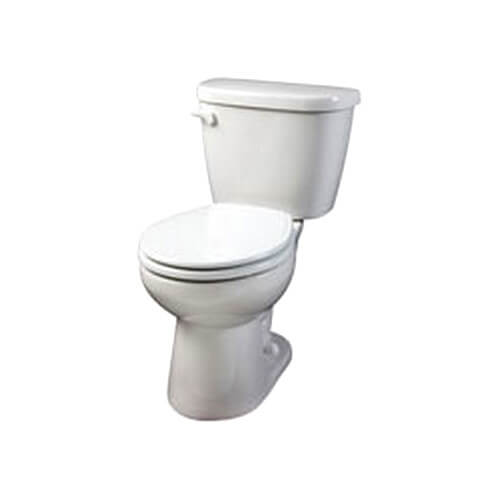
- Toilets: Standard toilets remain the most common fixture in any restroom, available in gravity-fed and pressure-assist designs and in one-piece or two-piece configurations. Many current models, like American Standard's Colony 3, flush at 1.28 gallons per flush and carry WaterSense certification, using about 20 percent less water than the older 1.6 gallon per flush standard while still clearing waste in a single flush.
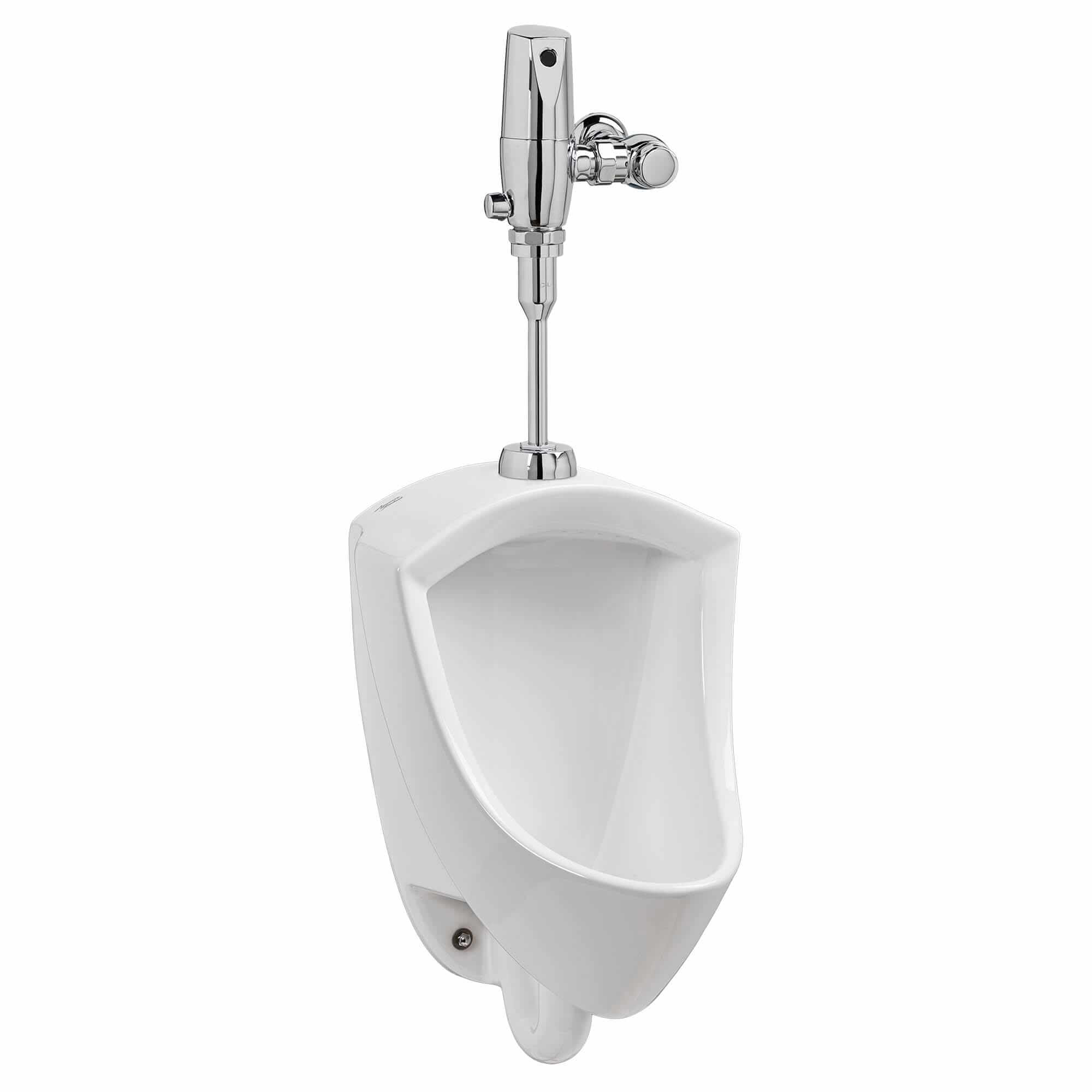
- Urinals: Urinals cut water use and speed up restroom turnover in commercial and institutional buildings where high traffic makes a private stall impractical for every use. High-efficiency models, such as American Standard's Pintbrook, flush as low as 0.125 gallons per flush, often called a pint flush, a fraction of what older urinals used per cycle.
Buying Guide
Restroom layout and drain access come first when choosing between a standard toilet, a urinal, and a macerating system. A location with a gravity drain nearby calls for a standard fixture, while a basement, addition, or renovation without easy access to the main drain line is where a macerating system earns its higher cost.
Water consumption ratings affect both code compliance and ongoing operating cost. Many state and local plumbing codes now require WaterSense-certified fixtures for new construction, so confirming the flush volume of any toilet or urinal against local requirements before ordering avoids a failed plumbing inspection.
Traffic volume should guide fixture count and type in commercial restrooms. High-traffic facilities like schools, stadiums, and office buildings benefit from low-flow urinals that cut water use across dozens of daily flushes, while lower-traffic restrooms may not see enough savings to justify the extra urinal plumbing over a standard toilet.
Mounting type narrows the field once fixture type is decided. Wall-hung toilets and urinals simplify floor cleaning in commercial restrooms and need in-wall carrier systems, while floor-mounted fixtures install faster and cost less upfront, which matters more on residential and smaller commercial jobs.
Noise and pump capacity matter specifically for macerating systems, since the pump and grinder run every time the fixture flushes. Checking a system's rated pumping distance and vertical lift against the actual run to the soil stack before installation prevents an undersized pump from struggling on a long or high run.
Frequently Asked Questions
How does a macerating toilet system work without a gravity drain?
A macerating toilet system uses a grinder and pump built into or behind the fixture to break down solid waste and push it through smaller-diameter pipe to the existing drain line or soil stack, which removes the need for a gravity-sloped drain run from the new fixture.
What does WaterSense certification mean for a toilet or urinal?
WaterSense certification means a fixture has been independently tested to use at least 20 percent less water than the federal minimum standard while still meeting flush performance requirements, and many plumbing codes now require WaterSense fixtures for new construction and major renovations.
Can a macerating toilet be installed in a basement without breaking the floor?
A macerating toilet system is built specifically for that situation, since the grinder and pump push waste through small-diameter pipe that can run along a wall or ceiling to reach the drain line, avoiding the need to trench through a concrete basement floor.
What is a pint flush urinal?
A pint flush urinal uses around 0.125 gallons of water per flush, roughly a pint, compared with 1 gallon or more used by older urinals, making it one of the most water-efficient fixture types available for high-traffic commercial restrooms.
Do commercial restrooms require a minimum number of urinals?
Plumbing codes in many jurisdictions set minimum fixture counts based on occupancy type and expected user count, often allowing a percentage of required water closets to be replaced with urinals in men's rooms, so checking the local plumbing code fixture count table is necessary before finalizing a restroom layout.
Resources
Subcategories
- Macerating Toilet Systems: Macerating toilet systems grind solid waste into a slurry and pump it to the existing drain line, which makes it possible to add a bathroom in a basement, garage, or other space without a gravity drain nearby. Saniflo's systems, for example, are certified to ASME A112.3.4 and can pump waste a long horizontal distance to the soil stack, opening up rooms that a standard gravity-fed toilet could never reach.
- Toilets: Standard toilets remain the most common fixture in any restroom, available in gravity-fed and pressure-assist designs and in one-piece or two-piece configurations. Many current models, like American Standard's Colony 3, flush at 1.28 gallons per flush and carry WaterSense certification, using about 20 percent less water than the older 1.6 gallon per flush standard while still clearing waste in a single flush.
- Urinals: Urinals cut water use and speed up restroom turnover in commercial and institutional buildings where high traffic makes a private stall impractical for every use. High-efficiency models, such as American Standard's Pintbrook, flush as low as 0.125 gallons per flush, often called a pint flush, a fraction of what older urinals used per cycle.
Buying Guide
Restroom layout and drain access come first when choosing between a standard toilet, a urinal, and a macerating system. A location with a gravity drain nearby calls for a standard fixture, while a basement, addition, or renovation without easy access to the main drain line is where a macerating system earns its higher cost.
Water consumption ratings affect both code compliance and ongoing operating cost. Many state and local plumbing codes now require WaterSense-certified fixtures for new construction, so confirming the flush volume of any toilet or urinal against local requirements before ordering avoids a failed plumbing inspection.
Traffic volume should guide fixture count and type in commercial restrooms. High-traffic facilities like schools, stadiums, and office buildings benefit from low-flow urinals that cut water use across dozens of daily flushes, while lower-traffic restrooms may not see enough savings to justify the extra urinal plumbing over a standard toilet.
Mounting type narrows the field once fixture type is decided. Wall-hung toilets and urinals simplify floor cleaning in commercial restrooms and need in-wall carrier systems, while floor-mounted fixtures install faster and cost less upfront, which matters more on residential and smaller commercial jobs.
Noise and pump capacity matter specifically for macerating systems, since the pump and grinder run every time the fixture flushes. Checking a system's rated pumping distance and vertical lift against the actual run to the soil stack before installation prevents an undersized pump from struggling on a long or high run.
Frequently Asked Questions
How does a macerating toilet system work without a gravity drain?
A macerating toilet system uses a grinder and pump built into or behind the fixture to break down solid waste and push it through smaller-diameter pipe to the existing drain line or soil stack, which removes the need for a gravity-sloped drain run from the new fixture.
What does WaterSense certification mean for a toilet or urinal?
WaterSense certification means a fixture has been independently tested to use at least 20 percent less water than the federal minimum standard while still meeting flush performance requirements, and many plumbing codes now require WaterSense fixtures for new construction and major renovations.
Can a macerating toilet be installed in a basement without breaking the floor?
A macerating toilet system is built specifically for that situation, since the grinder and pump push waste through small-diameter pipe that can run along a wall or ceiling to reach the drain line, avoiding the need to trench through a concrete basement floor.
What is a pint flush urinal?
A pint flush urinal uses around 0.125 gallons of water per flush, roughly a pint, compared with 1 gallon or more used by older urinals, making it one of the most water-efficient fixture types available for high-traffic commercial restrooms.
Do commercial restrooms require a minimum number of urinals?
Plumbing codes in many jurisdictions set minimum fixture counts based on occupancy type and expected user count, often allowing a percentage of required water closets to be replaced with urinals in men's rooms, so checking the local plumbing code fixture count table is necessary before finalizing a restroom layout.