




Filters
SORT
Product Availability –
Brand –
Review Score –
 --%3E %3Csvg version='1.1' id='Fill' xmlns='http://www.w3.org/2000/svg' xmlns:xlink='http://www.w3.org/1999/xlink' x='0px' y='0px' viewBox='0 0 100 100' enable-background='new 0 0 100 100' xml:space='preserve'%3E %3Cpath fill='%23F15C02' d='M79.44,0.95H20.56C9.78,0.95,0.95,9.78,0.95,20.56v58.87c0,10.79,8.82,19.61,19.61,19.61h58.87 c10.79,0,19.61-8.83,19.61-19.61V20.56C99.05,9.78,90.22,0.95,79.44,0.95z M65.38,58.24l9.38,29.58L49.69,69.78L24.5,87.82 l9.34-29.6L8.8,39.6l30.73-0.17c0,0,6.98-19.61,10-28.93c0.54,1.36,9.88,29.1,9.88,29.1H91.2L65.38,58.24z'/%3E %3C/svg%3E)
Price Range –
Valve Cores




 --%3E %3Csvg version='1.1' id='No-RB' xmlns='http://www.w3.org/2000/svg' xmlns:xlink='http://www.w3.org/1999/xlink' x='0px' y='0px' viewBox='0 0 100 100' enable-background='new 0 0 100 100' xml:space='preserve'%3E %3Cpath fill='%23CECECE' d='M79.44,0.95H20.56C9.78,0.95,0.95,9.78,0.95,20.56v58.87c0,10.79,8.82,19.61,19.61,19.61h58.87 c10.79,0,19.61-8.83,19.61-19.61V20.56C99.05,9.78,90.22,0.95,79.44,0.95z M65.38,58.24l9.38,29.58L49.69,69.78L24.5,87.82 l9.34-29.6L8.8,39.6l30.73-0.17c0,0,6.98-19.61,10-28.93c0.54,1.36,9.88,29.1,9.88,29.1H91.2L65.38,58.24z'/%3E %3C/svg%3E)


 --%3E %3Csvg version='1.1' id='Half' xmlns='http://www.w3.org/2000/svg' xmlns:xlink='http://www.w3.org/1999/xlink' x='0px' y='0px' viewBox='0 0 100 100' enable-background='new 0 0 100 100' xml:space='preserve'%3E %3Cg%3E %3Cpath fill='%23F15C02' d='M30.05,70.23l3.79-12.01L8.8,39.6l30.73-0.17c0,0,6.98-19.61,10-28.93c0.54,1.36,9.88,29.1,9.88,29.1h1.58 L93.71,7.18c-3.58-3.82-8.66-6.23-14.28-6.23H20.56C9.78,0.95,0.95,9.78,0.95,20.56v58.87c0,5.41,2.22,10.32,5.79,13.88 L30.05,70.23z'/%3E %3C/g%3E %3Cpath fill='%23FBC8B4' d='M93.71,7.18L60.98,39.6H91.2L65.38,58.24l9.38,29.58L49.69,69.78L24.5,87.82l5.55-17.59L6.75,93.32 c3.55,3.54,8.44,5.73,13.82,5.73h58.87c10.79,0,19.61-8.83,19.61-19.61V20.56C99.05,15.4,97.01,10.69,93.71,7.18z'/%3E %3C/svg%3E)


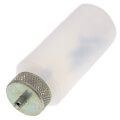
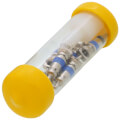
Valve Cores are the small spring-loaded check valves installed inside a Schrader-style access port, controlling refrigerant flow into and out of an HVAC or refrigeration system during service. The standard 1/4" SAE male flare size is the common American sizing used across all common refrigerants, including R-410A and R-134a, and by all major equipment manufacturers. Depressing the core's actuation shaft moves the pin off its seat, opening the valve so gauges, recovery equipment, or charging hoses can connect to the system. Cores are commonly made from brass or nickel-plated brass, with nylon or PTFE seals providing better leak resistance than older rubber seating washers. Because a worn or leaking valve core is one of the most common sources of refrigerant loss on a service call, HVAC technicians keep a supply on hand for quick replacement. Swapping a core takes only a core removal tool and a few minutes, making it one of the simplest fixes available for a leaking access port.
Subcategories
- Standard Brass Valve Cores: Standard brass valve cores use the common 1/4" SAE thread and a traditional rubber or synthetic seating washer. Technicians use them for routine replacement on residential and light commercial systems. They're compatible with common refrigerants including R-410A and R-134a. Brass construction resists corrosion in typical outdoor condenser applications.
- Nickel-Plated Valve Cores: Nickel-plated valve cores add a corrosion-resistant plating over the brass body, extending service life in humid or coastal environments. Technicians specify them on systems exposed to salt air or frequent condensation. The plating doesn't change the core's thread size or seat design. They install with the same core removal tool as standard brass cores.
- PTFE-Seal Valve Cores: PTFE-seal valve cores replace the traditional rubber seating washer with a PTFE seal for improved leak resistance under pressure cycling. Technicians select this style on systems where refrigerant loss through the core has been a recurring problem. PTFE holds up better to repeated gauge connections than standard rubber seals. The thread size remains the standard 1/4" SAE flare.
- High-Pressure Valve Cores: High-pressure valve cores are rated for the higher operating pressures found in systems using R-410A and other higher-pressure refrigerant blends. Technicians match core pressure rating to the refrigerant type in the system being serviced. Using a core rated below the system's operating pressure risks premature seal failure. These cores still use the standard 1/4" SAE flare connection.
Buying Guide
Confirm the port thread size before ordering, since the standard 1/4" SAE male flare covers the vast majority of residential and commercial HVAC access ports across all refrigerant types. Match the core's pressure rating to the system's refrigerant; higher-pressure refrigerants like R-410A demand a core rated for that higher operating pressure, and using an undersized core risks a seal failure under load. Consider seal material next: PTFE seals hold up better than traditional rubber washers on ports that see frequent gauge connections or pressure cycling, which is common on systems serviced regularly. Valve Cores are inexpensive compared to the refrigerant lost through a slow leak at the access port, so replacing a suspect core is almost always the right call before condemning a larger component. Choose nickel-plated cores for systems in coastal or high-humidity locations where standard brass corrodes faster. Keep a small assortment of standard and PTFE-seal cores stocked on the truck, since core replacement is one of the most frequent minor repairs on a service call and running out mid-job means a return trip. Always use a proper core removal tool rather than pliers, since damaging the core's seat during removal can turn a simple core swap into a full port replacement.
Frequently Asked Questions
What size valve core is standard for HVAC systems?
The 1/4" SAE male flare is the standard American size used across residential and commercial HVAC systems, regardless of refrigerant type. It's compatible with common refrigerants including R-410A and R-134a.
How do I know if a valve core is leaking?
A leaking valve core often shows as a slow refrigerant loss detectable with an electronic leak detector or soap bubble test at the access port. Since the core is a common failure point, checking it first before assuming a larger system leak saves diagnostic time.
Can any valve core be used with any refrigerant?
Not always. Higher-pressure refrigerants such as R-410A require a core rated for that pressure range, while a core rated only for lower-pressure refrigerants may fail prematurely under higher operating pressure. Matching the core's rating to the system's refrigerant keeps the seal reliable.
What's the benefit of a PTFE-seal valve core over a standard rubber seal?
PTFE seals hold up better than traditional rubber washers to repeated gauge connections and pressure cycling. Technicians often choose PTFE-seal cores for access ports serviced frequently.
What tool is needed to replace a valve core?
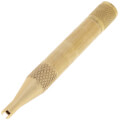
A dedicated core removal tool threads onto the access port and lets the technician back out the core without releasing full system pressure or damaging the seat. Using pliers instead risks damaging the port threads or seat surface.
