




Water Heater Parts
Water heater parts are the replacement components used to service and repair tank-style and other water heaters after installation. They range from heating elements and thermostats to gas valves, anode rods, and dip tubes. Contractors and technicians use manufacturer-specific parts to keep repairs within the original equipment's design tolerances. A generic substitute may not fit or perform the same.
The lineup here is organized by manufacturer, spanning AO Smith, American Standard, Bock, Bradford White, Peerless, and Rheem water heater parts. Finding the correct part starts with identifying the water heater's manufacturer and model number from its data plate. Parts are rarely interchangeable across different manufacturers' equipment.


Subcategories
- AO Smith Water Heater Parts: The section covers replacement components for AO Smith tank and tankless water heaters, including elements, thermostats, valves, and other service parts specific to AO Smith's product lines. Matching a part to the exact model number on the unit's data plate is necessary, since AO Smith's lineup spans multiple series with different component specifications. Keeping the model and serial number on hand speeds up parts lookup for a service call.
- American Standard Water Heater Parts: The section covers replacement parts for American Standard water heaters, including components used in routine maintenance and repair of installed units. Confirming the exact model number from the water heater's data plate is the starting point for finding a compatible part. American Standard's water heater parts are specific to that brand's equipment and generally aren't interchangeable with other manufacturers' units.
- Bock Water Heater Parts: The section covers replacement parts for Bock water heaters, a manufacturer known primarily for indirect and oil-fired water heating equipment. Parts here are matched to Bock's specific product lines, so identifying the exact model before ordering avoids a compatibility mismatch. Keeping the unit's model and serial number on hand simplifies the parts lookup process.
- Bradford White Water Heater Parts: The section covers replacement parts for Bradford White water heaters, spanning components for both tank-style and tankless models sold under that brand. Matching a part to the specific model number on the unit's data plate is necessary, since Bradford White's lineup includes multiple series with different component specifications. Confirming the model before ordering avoids delays from a mismatched part.
- Peerless Water Heater Parts: The section covers replacement parts for Peerless water heaters and boilers, matched to that manufacturer's specific product lines and model series. Identifying the exact model number from the unit's data plate is the first step in finding a compatible replacement part. Parts here generally aren't interchangeable with other manufacturers' water heating equipment.
- Rheem Water Heater Parts: The section covers replacement parts for Rheem water heaters, spanning components for tank-style, tankless, and hybrid models sold under that brand. Confirming the exact model number from the unit's data plate is necessary before ordering, since Rheem's lineup includes multiple series with different component specifications. Keeping the model and serial number on hand speeds up the parts lookup process for a service call.
Buying Guide
Finding the correct water heater part starts with the unit's data plate, which lists the manufacturer, model number, and serial number needed to confirm parts compatibility. Water heater parts are generally manufacturer- and model-specific, so ordering by the water heater's general type, such as gas or electric tank-style, isn't enough to confirm a correct fit.
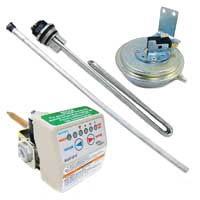
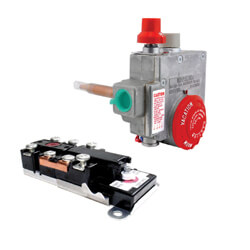
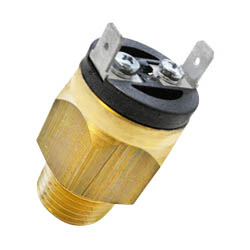
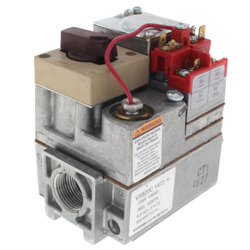
Common replacement parts include heating elements and thermostats on electric units. Gas units commonly need gas valves, thermocouples, or igniters. Anode rods and dip tubes apply across most tank-style water heaters regardless of fuel type. Knowing which category a failed component falls into narrows down the search within a specific manufacturer's parts lineup.
Age and remaining service life of the water heater factor into a repair-versus-replace decision. A unit nearing the end of its typical service life may not be worth an extensive parts repair if a major component like the tank itself is failing. A newer unit with a single failed part, such as a thermostat or heating element, is usually a straightforward, cost-effective repair.
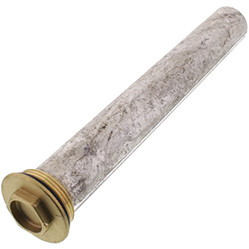
Anode rod condition affects both tank life and repair frequency. A depleted anode rod accelerates tank corrosion. Checking and replacing the anode rod on a schedule appropriate to the local water conditions is a preventive step. It can reduce the frequency of other part failures down the line.
Warranty status is worth checking before purchasing a replacement part. Some components may still be covered under the original manufacturer's warranty, depending on the water heater's age and registration status. Confirming warranty coverage before paying out of pocket for a part that might be covered saves an unnecessary expense.
Frequently Asked Questions
What information is needed to find the correct water heater replacement part?
The water heater's manufacturer, model number, and serial number, all found on the unit's data plate, are needed to confirm which parts are compatible. Ordering by fuel type or tank size alone isn't specific enough, since manufacturers use different components across their model lineups.
Are water heater parts interchangeable between different manufacturers?
Generally not. Components like heating elements, thermostats, gas valves, and anode rods are typically designed to fit a specific manufacturer's model series. A part from one brand usually won't fit another brand's water heater correctly.
What's the difference between an anode rod and a dip tube?
An anode rod is a sacrificial metal rod that corrodes in place of the tank's steel lining, protecting the tank from rust over time. A dip tube directs incoming cold water to the bottom of the tank so it doesn't mix directly with the hot water at the top. Both are routine replacement parts on tank-style water heaters.
When should a water heater's anode rod be checked or replaced?
Anode rod inspection is typically recommended on a regular schedule. The exact interval depends on local water quality and usage, since harder or more aggressive water depletes the rod faster. A heavily corroded or fully depleted anode rod should be replaced to keep protecting the tank from corrosion.
Is it worth repairing an older water heater instead of replacing it?
It depends on the failed component and the unit's overall condition. A single failed part like a thermostat or heating element is usually a cost-effective repair on a unit that's otherwise in good shape. A failing tank or multiple simultaneous part failures often point toward replacement instead.
Resources
Subcategories
- AO Smith Water Heater Parts: The section covers replacement components for AO Smith tank and tankless water heaters, including elements, thermostats, valves, and other service parts specific to AO Smith's product lines. Matching a part to the exact model number on the unit's data plate is necessary, since AO Smith's lineup spans multiple series with different component specifications. Keeping the model and serial number on hand speeds up parts lookup for a service call.
- American Standard Water Heater Parts: The section covers replacement parts for American Standard water heaters, including components used in routine maintenance and repair of installed units. Confirming the exact model number from the water heater's data plate is the starting point for finding a compatible part. American Standard's water heater parts are specific to that brand's equipment and generally aren't interchangeable with other manufacturers' units.
- Bock Water Heater Parts: The section covers replacement parts for Bock water heaters, a manufacturer known primarily for indirect and oil-fired water heating equipment. Parts here are matched to Bock's specific product lines, so identifying the exact model before ordering avoids a compatibility mismatch. Keeping the unit's model and serial number on hand simplifies the parts lookup process.
- Bradford White Water Heater Parts: The section covers replacement parts for Bradford White water heaters, spanning components for both tank-style and tankless models sold under that brand. Matching a part to the specific model number on the unit's data plate is necessary, since Bradford White's lineup includes multiple series with different component specifications. Confirming the model before ordering avoids delays from a mismatched part.
- Peerless Water Heater Parts: The section covers replacement parts for Peerless water heaters and boilers, matched to that manufacturer's specific product lines and model series. Identifying the exact model number from the unit's data plate is the first step in finding a compatible replacement part. Parts here generally aren't interchangeable with other manufacturers' water heating equipment.
- Rheem Water Heater Parts: The section covers replacement parts for Rheem water heaters, spanning components for tank-style, tankless, and hybrid models sold under that brand. Confirming the exact model number from the unit's data plate is necessary before ordering, since Rheem's lineup includes multiple series with different component specifications. Keeping the model and serial number on hand speeds up the parts lookup process for a service call.
Buying Guide
Finding the correct water heater part starts with the unit's data plate, which lists the manufacturer, model number, and serial number needed to confirm parts compatibility. Water heater parts are generally manufacturer- and model-specific, so ordering by the water heater's general type, such as gas or electric tank-style, isn't enough to confirm a correct fit.
Common replacement parts include heating elements and thermostats on electric units. Gas units commonly need gas valves, thermocouples, or igniters. Anode rods and dip tubes apply across most tank-style water heaters regardless of fuel type. Knowing which category a failed component falls into narrows down the search within a specific manufacturer's parts lineup.
Age and remaining service life of the water heater factor into a repair-versus-replace decision. A unit nearing the end of its typical service life may not be worth an extensive parts repair if a major component like the tank itself is failing. A newer unit with a single failed part, such as a thermostat or heating element, is usually a straightforward, cost-effective repair.
Anode rod condition affects both tank life and repair frequency. A depleted anode rod accelerates tank corrosion. Checking and replacing the anode rod on a schedule appropriate to the local water conditions is a preventive step. It can reduce the frequency of other part failures down the line.
Warranty status is worth checking before purchasing a replacement part. Some components may still be covered under the original manufacturer's warranty, depending on the water heater's age and registration status. Confirming warranty coverage before paying out of pocket for a part that might be covered saves an unnecessary expense.
Frequently Asked Questions
What information is needed to find the correct water heater replacement part?
The water heater's manufacturer, model number, and serial number, all found on the unit's data plate, are needed to confirm which parts are compatible. Ordering by fuel type or tank size alone isn't specific enough, since manufacturers use different components across their model lineups.
Are water heater parts interchangeable between different manufacturers?
Generally not. Components like heating elements, thermostats, gas valves, and anode rods are typically designed to fit a specific manufacturer's model series. A part from one brand usually won't fit another brand's water heater correctly.
What's the difference between an anode rod and a dip tube?
An anode rod is a sacrificial metal rod that corrodes in place of the tank's steel lining, protecting the tank from rust over time. A dip tube directs incoming cold water to the bottom of the tank so it doesn't mix directly with the hot water at the top. Both are routine replacement parts on tank-style water heaters.
When should a water heater's anode rod be checked or replaced?
Anode rod inspection is typically recommended on a regular schedule. The exact interval depends on local water quality and usage, since harder or more aggressive water depletes the rod faster. A heavily corroded or fully depleted anode rod should be replaced to keep protecting the tank from corrosion.
Is it worth repairing an older water heater instead of replacing it?
It depends on the failed component and the unit's overall condition. A single failed part like a thermostat or heating element is usually a cost-effective repair on a unit that's otherwise in good shape. A failing tank or multiple simultaneous part failures often point toward replacement instead.