




Filters
SORT
Product Availability –
Application –
Switch Action –
Differential –
Max Temp (F) –
Min Temp (F) –
Review Score –
 --%3E %3Csvg version='1.1' id='Fill' xmlns='http://www.w3.org/2000/svg' xmlns:xlink='http://www.w3.org/1999/xlink' x='0px' y='0px' viewBox='0 0 100 100' enable-background='new 0 0 100 100' xml:space='preserve'%3E %3Cpath fill='%23F15C02' d='M79.44,0.95H20.56C9.78,0.95,0.95,9.78,0.95,20.56v58.87c0,10.79,8.82,19.61,19.61,19.61h58.87 c10.79,0,19.61-8.83,19.61-19.61V20.56C99.05,9.78,90.22,0.95,79.44,0.95z M65.38,58.24l9.38,29.58L49.69,69.78L24.5,87.82 l9.34-29.6L8.8,39.6l30.73-0.17c0,0,6.98-19.61,10-28.93c0.54,1.36,9.88,29.1,9.88,29.1H91.2L65.38,58.24z'/%3E %3C/svg%3E)
 --%3E %3Csvg version='1.1' id='With-RB' xmlns='http://www.w3.org/2000/svg' xmlns:xlink='http://www.w3.org/1999/xlink' x='0px' y='0px' viewBox='0 0 100 100' enable-background='new 0 0 100 100' xml:space='preserve'%3E %3Cpath fill='%23FBC8B4' d='M79.44,0.95H20.56C9.78,0.95,0.95,9.78,0.95,20.56v58.87c0,10.79,8.82,19.61,19.61,19.61h58.87 c10.79,0,19.61-8.83,19.61-19.61V20.56C99.05,9.78,90.22,0.95,79.44,0.95z M65.38,58.24l9.38,29.58L49.69,69.78L24.5,87.82 l9.34-29.6L8.8,39.6l30.73-0.17c0,0,6.98-19.61,10-28.93c0.54,1.36,9.88,29.1,9.88,29.1H91.2L65.38,58.24z'/%3E %3C/svg%3E)
Price Range –
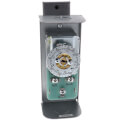
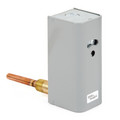
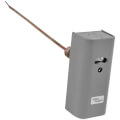
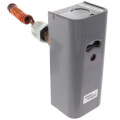
White Rodgers Aquastats


 --%3E %3Csvg version='1.1' id='Half' xmlns='http://www.w3.org/2000/svg' xmlns:xlink='http://www.w3.org/1999/xlink' x='0px' y='0px' viewBox='0 0 100 100' enable-background='new 0 0 100 100' xml:space='preserve'%3E %3Cg%3E %3Cpath fill='%23F15C02' d='M30.05,70.23l3.79-12.01L8.8,39.6l30.73-0.17c0,0,6.98-19.61,10-28.93c0.54,1.36,9.88,29.1,9.88,29.1h1.58 L93.71,7.18c-3.58-3.82-8.66-6.23-14.28-6.23H20.56C9.78,0.95,0.95,9.78,0.95,20.56v58.87c0,5.41,2.22,10.32,5.79,13.88 L30.05,70.23z'/%3E %3C/g%3E %3Cpath fill='%23FBC8B4' d='M93.71,7.18L60.98,39.6H91.2L65.38,58.24l9.38,29.58L49.69,69.78L24.5,87.82l5.55-17.59L6.75,93.32 c3.55,3.54,8.44,5.73,13.82,5.73h58.87c10.79,0,19.61-8.83,19.61-19.61V20.56C99.05,15.4,97.01,10.69,93.71,7.18z'/%3E %3C/svg%3E)
 --%3E %3Csvg version='1.1' id='No-RB' xmlns='http://www.w3.org/2000/svg' xmlns:xlink='http://www.w3.org/1999/xlink' x='0px' y='0px' viewBox='0 0 100 100' enable-background='new 0 0 100 100' xml:space='preserve'%3E %3Cpath fill='%23CECECE' d='M79.44,0.95H20.56C9.78,0.95,0.95,9.78,0.95,20.56v58.87c0,10.79,8.82,19.61,19.61,19.61h58.87 c10.79,0,19.61-8.83,19.61-19.61V20.56C99.05,9.78,90.22,0.95,79.44,0.95z M65.38,58.24l9.38,29.58L49.69,69.78L24.5,87.82 l9.34-29.6L8.8,39.6l30.73-0.17c0,0,6.98-19.61,10-28.93c0.54,1.36,9.88,29.1,9.88,29.1H91.2L65.38,58.24z'/%3E %3C/svg%3E)
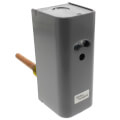
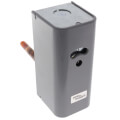
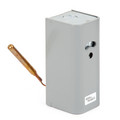
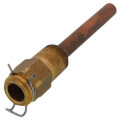

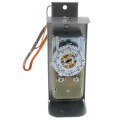
White Rodgers aquastats control the water temperature inside a hydronic boiler by cycling the burner and circulator pumps on and off at preset high and low limits. Installed directly on the boiler's supply piping or tankless coil, an aquastat protects the system from overheating while keeping domestic hot water and space heating zones running at the temperature a contractor has dialed in during startup. Because these controls combine a high-limit safety function with day-to-day temperature regulation, a failing aquastat can cause anything from short-cycling to a boiler that never reaches its set temperature. White Rodgers aquastats remain a common replacement part on older cast iron and steel boilers still in service throughout many older buildings. Swapping a worn aquastat during a scheduled maintenance visit is far less disruptive than responding to an emergency no-heat call once the original control finally fails.
Subcategories
- Single-Stage Aquastats: Single-stage aquastats cycle the burner between one high limit and one low limit, suiting straightforward boiler setups without a separate domestic hot water tankless coil circuit. These controls are common on older residential systems that heat a single zone or a small number of zones through one circulator. Replacing a single-stage aquastat is usually a direct swap once the wiring diagram confirms terminal compatibility. Contractors appreciate their simplicity when diagnosing a straightforward heating complaint.
- Combination Aquastats: Combination aquastats add a second high-limit circuit dedicated to a tankless coil, letting one control manage both space heating and domestic hot water temperature independently. These are common on boilers that supply hot water directly through an internal coil rather than a separate storage tank. A failing combination aquastat can cause lukewarm domestic hot water even while space heating continues to function normally. Confirming which circuit has failed before ordering a replacement avoids buying the wrong control type.
- Aquastat Wells & Accessories: Immersion wells hold the aquastat's sensing bulb in direct contact with boiler water without exposing the control itself to moisture or pressure. A cracked or corroded well is a common cause of an inaccurate temperature reading even when the aquastat itself is functioning correctly. Replacing the well alongside an aging aquastat during the same service call prevents a return trip. Accessories such as extra capillary tubing length accommodate boilers where the control is mounted farther from the tankless coil.
Buying Guide
Selecting the correct White Rodgers aquastat starts with identifying whether the boiler needs a single-stage or combination control, which depends on whether the system includes a tankless coil for domestic hot water. Confirming the terminal configuration against the existing wiring diagram avoids ordering a control with an incompatible number of switches or a different voltage rating than the original. Checking the condition of the immersion well matters just as much as the aquastat itself, since a corroded or damaged well can cause inaccurate readings that mimic a failing control and lead to an unnecessary replacement. Contractors should also verify the capillary tubing length required to reach from the aquastat body to the sensing well, particularly on boilers where the control is mounted away from the boiler's tapping. High and low limit ranges vary between models, so matching the replacement's adjustment range to the system's designed operating temperature keeps the boiler running within its intended parameters rather than short-cycling or underheating. On older systems where the original manufacturer part is no longer available, a compatible White Rodgers replacement with matching terminal counts and limit ranges restores normal operation without rewiring the control circuit. Stocking both single-stage and combination aquastats, along with a few common immersion wells, covers the majority of hydronic boiler service calls.
Frequently Asked Questions
What is the difference between a single-stage and combination aquastat?
Single-stage aquastats manage one heating circuit with a single high and low limit, while combination aquastats add a second circuit dedicated to a tankless coil for domestic hot water. The right choice depends entirely on whether the boiler includes that coil.
Why would domestic hot water run lukewarm while space heating still works?
A lukewarm domestic hot water complaint on a boiler with a tankless coil often points to a failed second-stage circuit inside a combination aquastat, since the space heating circuit can continue operating independently. Testing each circuit separately identifies which side of the control has failed.
Can a damaged immersion well affect aquastat performance?
A corroded or damaged immersion well can prevent the aquastat's sensing bulb from reading true boiler water temperature, which mimics the symptoms of a failing control. Replacing the well alongside the aquastat rules out this cause entirely.
How is the correct replacement aquastat identified for an older boiler?
Matching the terminal count, voltage rating, and limit range against the boiler's wiring diagram identifies a compatible replacement, even when the original manufacturer's exact part is no longer available. A White Rodgers control with matching specifications typically installs without rewiring the circuit.
What causes a boiler to short-cycle after an aquastat replacement?
Short-cycling after a replacement usually points to a low limit set too close to the high limit, or a differential setting that does not match the original control. Adjusting the new aquastat's settings to match the system's designed operating range resolves most short-cycling complaints.
