



Toe Kick Heaters
Kickspace and wall heaters provide electric zone heating in spaces where a standard baseboard or wall heater will not fit, tucking into the toe space beneath a cabinet or mounting on a wall as an alternative to floor-level installation.
Choosing between a kickspace and wall-mounted unit depends on available space and the layout of the room, since kitchens and bathrooms with limited wall space often favor the kickspace style. Replacement parts and decorative grilles let an existing installation stay in service without a full unit swap.


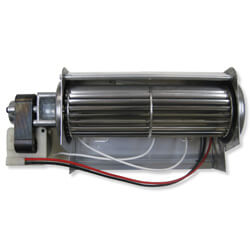


KickSpace Heaters are designed to install in the toe kick space below kitchen and bathroom cabinets. The heater body fits into a standard toe kick opening and connects to the hydronic loop through supply and return lines. An internal electric blower draws room air across a finned coil heated by the circulating hot water, then discharges warm air at floor level. Kickspace heaters are available in a range of BTU outputs to match the heat load of the space they serve.
Wall Heaters offer a wall-mounted alternative to floor-level kickspace installation for areas where the toe kick space is unavailable or occupied. Wall heaters use the same hydronic-plus-blower operating principle as kickspace models but mount at a higher elevation. They are suitable for bathrooms, utility rooms, and hallways where wall space is available but floor-level installation is not practical.
Wall/Floor Kits for Kickspace Heaters include all the hardware needed to mount a kickspace heater unit in either a floor or wall location. Each kit contains the brackets, fasteners, and trim components required to secure the heater and finish the installation. Using the correct installation kit ensures the heater is secured properly and the grille face aligns correctly with the finished surface.
Replacement Parts for Kickspace Heaters cover the components most likely to need replacement over the life of a kickspace heater, primarily the electric blower motor and blower wheel assembly. A failing blower motor is the most common service issue and typically presents as reduced airflow or no air movement even though the hydronic loop is flowing. Replacement blower assemblies must be matched to the heater unit's model to ensure proper fit and airflow output.
Grilles for Kickspace Heaters are the decorative face panels that cover the kickspace heater opening and direct the discharge airflow. Grilles are sized to the heater unit's face dimensions and are available in finishes that coordinate with standard cabinet hardware. Replacing a damaged or mismatched grille restores the finished appearance without requiring replacement of the heater unit itself.
BTU output is the primary sizing factor for a kickspace heater. Calculate the heat loss of the room at design conditions, accounting for the room's volume, insulation level, window area, and exterior exposure. Kickspace heaters are typically used as supplemental or primary heating in smaller spaces like kitchens, bathrooms, and entries.
Water flow requirements must be checked against the main baseboard loop's capacity. A diverter tee is typically needed when branching a kickspace heater off the main baseboard loop. Installing without a proper diverter can starve the kickspace unit of flow and reduce its output significantly.
Electrical supply for the blower motor must be available at the installation location. Most residential kickspace heaters use a 120VAC blower that requires a dedicated outlet or hardwired connection near the unit. Confirm the electrical supply requirements before framing in the cabinet toe kick space.
Mounting orientation determines whether a standard kickspace model or a wall heater is the better fit. If the toe kick space is at least 3.5 inches deep and the correct width for the unit, a standard floor model is the straightforward choice. For areas where the toe kick is shallower, occupied, or inaccessible, a wall-mounted heater provides the same function from a different position.
Grille selection should match the finished cabinet or wall material. Most kickspace heaters ship with a standard white grille, but replacement grilles in other finishes are available separately. Confirm the grille opening dimensions match the heater unit's face dimensions before ordering.
Where can toe kick heaters be installed?
Toe kick heaters are designed for installation in the toe kick space beneath kitchen and bathroom cabinets. They can also be installed in stair risers, utility closets, and other confined spaces that connect to the hydronic loop. Wall-mounted versions are available for areas where the floor-level toe kick space is not accessible. Both floor and wall installation use the same heater body; the mounting kit changes based on the installation location.
Do I need a diverter tee to install a kickspace heater?
A diverter tee is typically required when branching a kickspace heater off the main baseboard loop. Without a diverter tee, the kickspace heater may not receive adequate water flow because the main loop's resistance path offers less restriction than the branch. A diverter tee creates a pressure differential that forces a portion of the flow through the kickspace unit. The heater manufacturer's installation instructions specify the diverter tee requirement and flow rate for the specific model.
What BTU output do I need for a kitchen or bathroom?
BTU requirements depend on the heat loss of the specific room at design conditions, influenced by room size, insulation, window area, and exterior wall exposure. As a general reference, a well-insulated bathroom of 50 to 80 square feet typically requires 2,000 to 4,000 BTU, while a kitchen with exterior walls and windows may require more. Selecting a unit slightly above the calculated heat loss provides a buffer for design-day conditions.
Can a kickspace heater be used as the sole heat source in a room?
Kickspace heaters can serve as the primary heat source in rooms with moderate heat loss, such as well-insulated bathrooms and small kitchens in mild climates. In rooms with high heat loss from large windows, exterior walls, or poor insulation, a single kickspace heater may not provide adequate output. In those cases, a kickspace heater works best as a supplement to other heating in the room.
How do I know if the blower motor in my kickspace heater needs replacement?
A failing kickspace heater blower motor typically presents as reduced airflow, intermittent blower operation, or the blower not running at all when the system is calling for heat. The heater may still be warm because the hydronic coil is receiving hot water, but air movement is diminished or absent. Confirm the blower motor is receiving power before condemning it, as a blown fuse or tripped GFCI outlet can produce the same symptom.
Resources
KickSpace Heaters are designed to install in the toe kick space below kitchen and bathroom cabinets. The heater body fits into a standard toe kick opening and connects to the hydronic loop through supply and return lines. An internal electric blower draws room air across a finned coil heated by the circulating hot water, then discharges warm air at floor level. Kickspace heaters are available in a range of BTU outputs to match the heat load of the space they serve.
Wall Heaters offer a wall-mounted alternative to floor-level kickspace installation for areas where the toe kick space is unavailable or occupied. Wall heaters use the same hydronic-plus-blower operating principle as kickspace models but mount at a higher elevation. They are suitable for bathrooms, utility rooms, and hallways where wall space is available but floor-level installation is not practical.
Wall/Floor Kits for Kickspace Heaters include all the hardware needed to mount a kickspace heater unit in either a floor or wall location. Each kit contains the brackets, fasteners, and trim components required to secure the heater and finish the installation. Using the correct installation kit ensures the heater is secured properly and the grille face aligns correctly with the finished surface.
Replacement Parts for Kickspace Heaters cover the components most likely to need replacement over the life of a kickspace heater, primarily the electric blower motor and blower wheel assembly. A failing blower motor is the most common service issue and typically presents as reduced airflow or no air movement even though the hydronic loop is flowing. Replacement blower assemblies must be matched to the heater unit's model to ensure proper fit and airflow output.
Grilles for Kickspace Heaters are the decorative face panels that cover the kickspace heater opening and direct the discharge airflow. Grilles are sized to the heater unit's face dimensions and are available in finishes that coordinate with standard cabinet hardware. Replacing a damaged or mismatched grille restores the finished appearance without requiring replacement of the heater unit itself.
BTU output is the primary sizing factor for a kickspace heater. Calculate the heat loss of the room at design conditions, accounting for the room's volume, insulation level, window area, and exterior exposure. Kickspace heaters are typically used as supplemental or primary heating in smaller spaces like kitchens, bathrooms, and entries.
Water flow requirements must be checked against the main baseboard loop's capacity. A diverter tee is typically needed when branching a kickspace heater off the main baseboard loop. Installing without a proper diverter can starve the kickspace unit of flow and reduce its output significantly.
Electrical supply for the blower motor must be available at the installation location. Most residential kickspace heaters use a 120VAC blower that requires a dedicated outlet or hardwired connection near the unit. Confirm the electrical supply requirements before framing in the cabinet toe kick space.
Mounting orientation determines whether a standard kickspace model or a wall heater is the better fit. If the toe kick space is at least 3.5 inches deep and the correct width for the unit, a standard floor model is the straightforward choice. For areas where the toe kick is shallower, occupied, or inaccessible, a wall-mounted heater provides the same function from a different position.
Grille selection should match the finished cabinet or wall material. Most kickspace heaters ship with a standard white grille, but replacement grilles in other finishes are available separately. Confirm the grille opening dimensions match the heater unit's face dimensions before ordering.
Where can toe kick heaters be installed?
Toe kick heaters are designed for installation in the toe kick space beneath kitchen and bathroom cabinets. They can also be installed in stair risers, utility closets, and other confined spaces that connect to the hydronic loop. Wall-mounted versions are available for areas where the floor-level toe kick space is not accessible. Both floor and wall installation use the same heater body; the mounting kit changes based on the installation location.
Do I need a diverter tee to install a kickspace heater?
A diverter tee is typically required when branching a kickspace heater off the main baseboard loop. Without a diverter tee, the kickspace heater may not receive adequate water flow because the main loop's resistance path offers less restriction than the branch. A diverter tee creates a pressure differential that forces a portion of the flow through the kickspace unit. The heater manufacturer's installation instructions specify the diverter tee requirement and flow rate for the specific model.
What BTU output do I need for a kitchen or bathroom?
BTU requirements depend on the heat loss of the specific room at design conditions, influenced by room size, insulation, window area, and exterior wall exposure. As a general reference, a well-insulated bathroom of 50 to 80 square feet typically requires 2,000 to 4,000 BTU, while a kitchen with exterior walls and windows may require more. Selecting a unit slightly above the calculated heat loss provides a buffer for design-day conditions.
Can a kickspace heater be used as the sole heat source in a room?
Kickspace heaters can serve as the primary heat source in rooms with moderate heat loss, such as well-insulated bathrooms and small kitchens in mild climates. In rooms with high heat loss from large windows, exterior walls, or poor insulation, a single kickspace heater may not provide adequate output. In those cases, a kickspace heater works best as a supplement to other heating in the room.
How do I know if the blower motor in my kickspace heater needs replacement?
A failing kickspace heater blower motor typically presents as reduced airflow, intermittent blower operation, or the blower not running at all when the system is calling for heat. The heater may still be warm because the hydronic coil is receiving hot water, but air movement is diminished or absent. Confirm the blower motor is receiving power before condemning it, as a blown fuse or tripped GFCI outlet can produce the same symptom.