




Electrical Hand Tools
Electrical hand tools cover the daily-use equipment electricians rely on for conduit work, wire termination, and fastener service. The category includes conduit benders for shaping rigid, IMC, and EMT runs, along with crimp and compression tools for terminating wire and cable.
Selecting the right crimp or compression tool depends on the connector type and wire gauge being terminated, since a mismatched tool can produce an unreliable connection. Fuse pullers and electrical wrenches round out the category for the smaller, specialized tasks that come up during panel and equipment service.

Subcategories
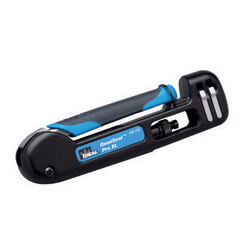
- Compression Tools: Compression tools crimp a lug or connector onto a wire or cable end using mechanical force from a ratcheting or hydraulic head, producing a connection that holds up under vibration and thermal cycling better than a twist-on splice. Electricians use them for larger gauge conductors and grounding connections where a standard crimper does not generate enough force.
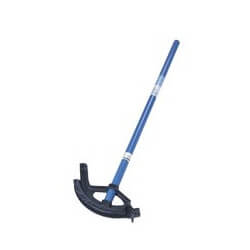
- Conduit Benders: Conduit benders shape rigid, IMC, or EMT conduit into the offsets, saddles, and stub-ups a run requires without cutting in extra fittings. A hand bender sized to the conduit diameter lets an electrician make a clean bend on site instead of ordering a pre-bent section.
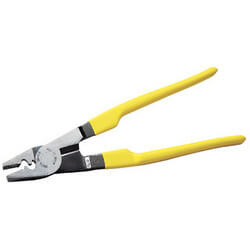
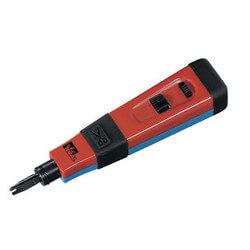
- Crimp Tools & Accessories: Crimp tools and their accessory dies attach terminals, ferrules, and connectors to stripped wire ends for a secure, low-resistance connection. Interchangeable dies let one tool handle several terminal styles and wire gauges instead of carrying a separate crimper for each connector type.
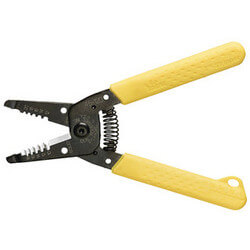
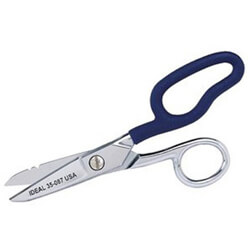
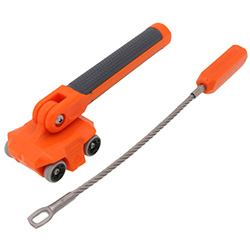
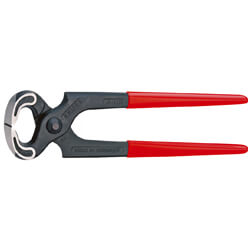
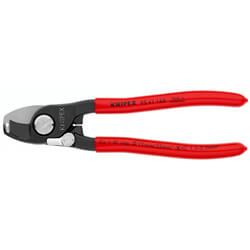
- Cutters & Scissors: Cutters and scissors handle the daily task of cutting wire, cable, and small conduit to length. Models range from simple diagonal cutters for copper wire to ratcheting cable cutters built for heavier stranded cable a standard cutter cannot get through cleanly.
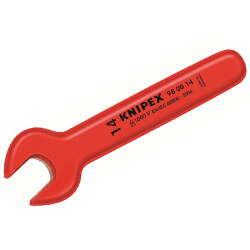
- Electrical Wrenches: Electrical wrenches are sized and shaped for the lugs, terminal screws, and panel hardware found in electrical enclosures, giving a tighter grip in tight panel spaces than a standard adjustable wrench. Insulated versions add a layer of protection when working near energized components.
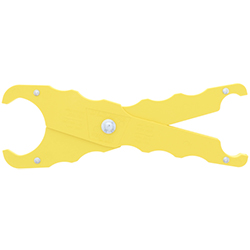
- Fuse Pullers: Fuse pullers remove and install cartridge and blade fuses without touching the fuse body or the live terminals around it. The insulated handle keeps hands clear of an energized panel during a fuse swap on an HVAC disconnect or control circuit.
Buying Guide
Building out a set of electrical hand tools starts with the type of work a technician does most often. A residential service tech focused on control wiring and thermostats needs a different core kit than a crew pulling and terminating feeder cable in a commercial panel.
Match crimp and compression tools to the connector types actually used on the job. A ratcheting crimper built for insulated terminals will not seat a large lug properly, so confirm a tool's rated wire gauge range and connector style before adding it to the kit.
Conduit benders need to match the conduit size and material being run. A bender designed for EMT will not produce a clean bend in heavier rigid conduit, and using the wrong bender risks kinking the run.
Insulated tools rated for work near energized components are worth the added cost for anyone working inside live panels, even when de-energized work is possible in most cases. An insulated wrench or cutter adds a margin of protection during the moments a circuit cannot be fully locked out.
Look for tools built with replaceable parts, such as crimp dies or bender heads, so a worn component can be swapped instead of replacing the whole tool. A hand tool kit built this way holds up over years of daily use on a service truck.
Frequently Asked Questions
What is the difference between a crimp tool and a compression tool?
A crimp tool typically uses a ratcheting mechanism suited to smaller terminals and connectors, while a compression tool applies heavier mechanical or hydraulic force for larger lugs and grounding connections. Both create a permanent mechanical connection, but compression tools handle the bigger gauge work.
What size conduit bender do I need for EMT runs?
Conduit benders are sized to a specific EMT diameter, most commonly half inch through one inch for hand benders, so match the bender to the conduit size on the job rather than assuming one bender covers every diameter.
Are insulated electrical hand tools required by code?
Requirements vary by jurisdiction and by the type of work being performed, so check local code and company safety policy for the specific task. Insulated tools are widely used as an added protection layer any time work happens near energized components.
How do fuse pullers protect against shock?
A fuse puller keeps hands away from both the fuse body and the live clips holding it in place, using an insulated handle to create distance between the technician and any energized surface during removal or installation.
Can one crimp tool handle multiple connector types?
A crimp tool with interchangeable dies can handle several terminal styles and wire gauges, but a fixed-die crimper is limited to the connector type it was built for. Check the die compatibility before assuming one tool covers every connector on the truck.
Resources
Subcategories
- Compression Tools: Compression tools crimp a lug or connector onto a wire or cable end using mechanical force from a ratcheting or hydraulic head, producing a connection that holds up under vibration and thermal cycling better than a twist-on splice. Electricians use them for larger gauge conductors and grounding connections where a standard crimper does not generate enough force.
- Conduit Benders: Conduit benders shape rigid, IMC, or EMT conduit into the offsets, saddles, and stub-ups a run requires without cutting in extra fittings. A hand bender sized to the conduit diameter lets an electrician make a clean bend on site instead of ordering a pre-bent section.
- Crimp Tools & Accessories: Crimp tools and their accessory dies attach terminals, ferrules, and connectors to stripped wire ends for a secure, low-resistance connection. Interchangeable dies let one tool handle several terminal styles and wire gauges instead of carrying a separate crimper for each connector type.
- Cutters & Scissors: Cutters and scissors handle the daily task of cutting wire, cable, and small conduit to length. Models range from simple diagonal cutters for copper wire to ratcheting cable cutters built for heavier stranded cable a standard cutter cannot get through cleanly.
- Electrical Wrenches: Electrical wrenches are sized and shaped for the lugs, terminal screws, and panel hardware found in electrical enclosures, giving a tighter grip in tight panel spaces than a standard adjustable wrench. Insulated versions add a layer of protection when working near energized components.
- Fuse Pullers: Fuse pullers remove and install cartridge and blade fuses without touching the fuse body or the live terminals around it. The insulated handle keeps hands clear of an energized panel during a fuse swap on an HVAC disconnect or control circuit.
Buying Guide
Building out a set of electrical hand tools starts with the type of work a technician does most often. A residential service tech focused on control wiring and thermostats needs a different core kit than a crew pulling and terminating feeder cable in a commercial panel.
Match crimp and compression tools to the connector types actually used on the job. A ratcheting crimper built for insulated terminals will not seat a large lug properly, so confirm a tool's rated wire gauge range and connector style before adding it to the kit.
Conduit benders need to match the conduit size and material being run. A bender designed for EMT will not produce a clean bend in heavier rigid conduit, and using the wrong bender risks kinking the run.
Insulated tools rated for work near energized components are worth the added cost for anyone working inside live panels, even when de-energized work is possible in most cases. An insulated wrench or cutter adds a margin of protection during the moments a circuit cannot be fully locked out.
Look for tools built with replaceable parts, such as crimp dies or bender heads, so a worn component can be swapped instead of replacing the whole tool. A hand tool kit built this way holds up over years of daily use on a service truck.
Frequently Asked Questions
What is the difference between a crimp tool and a compression tool?
A crimp tool typically uses a ratcheting mechanism suited to smaller terminals and connectors, while a compression tool applies heavier mechanical or hydraulic force for larger lugs and grounding connections. Both create a permanent mechanical connection, but compression tools handle the bigger gauge work.
What size conduit bender do I need for EMT runs?
Conduit benders are sized to a specific EMT diameter, most commonly half inch through one inch for hand benders, so match the bender to the conduit size on the job rather than assuming one bender covers every diameter.
Are insulated electrical hand tools required by code?
Requirements vary by jurisdiction and by the type of work being performed, so check local code and company safety policy for the specific task. Insulated tools are widely used as an added protection layer any time work happens near energized components.
How do fuse pullers protect against shock?
A fuse puller keeps hands away from both the fuse body and the live clips holding it in place, using an insulated handle to create distance between the technician and any energized surface during removal or installation.
Can one crimp tool handle multiple connector types?
A crimp tool with interchangeable dies can handle several terminal styles and wire gauges, but a fixed-die crimper is limited to the connector type it was built for. Check the die compatibility before assuming one tool covers every connector on the truck.