




Tub & Shower Products
Tub & Shower Products are the fixtures, trim, and hardware used to finish out a bathing space. They range from the faucet and valve trim visible on the wall to the waste and overflow parts hidden behind it. Plumbers and remodelers use this category to source new-construction components and replacement parts for existing tubs and showers.
Because a tub or shower installation combines rough-in valves, finish trim, and drain hardware, buyers often need parts from several subcategories to complete a single job. Matching finish and style across the faucet, trim, and hardware keeps the finished bathroom looking coordinated. Matching waste and overflow parts to the specific tub model keeps the drain assembly functioning correctly.
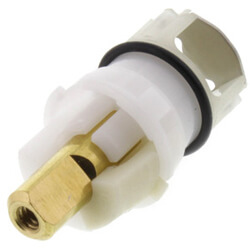
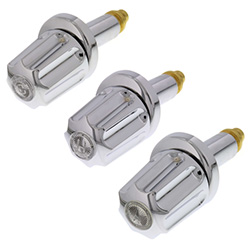
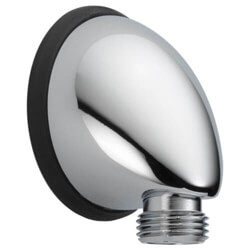

Subcategories
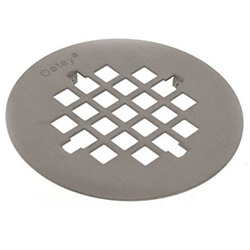
- Bath & Shower Strainers: Bath and shower strainers cover the drain opening in a tub or shower base. They catch hair and debris before it enters the drain line and complete the finished look of the drain. They are sized and styled to match the drain opening and finish of a specific tub or shower. Replacing a worn or damaged strainer is a common service task separate from replacing the drain assembly itself.
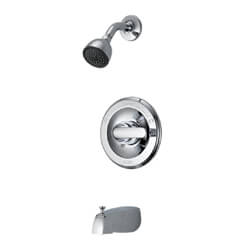
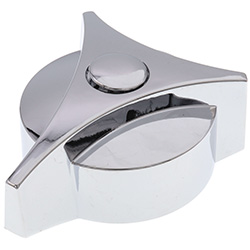
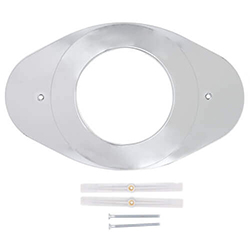
- Bath and Shower Trim: Bath and shower trim includes the visible handles, escutcheons, and covers that sit at the wall over a tub or shower valve. It finishes the installation after the rough-in valve is set. Trim kits are typically sold to match a specific valve body and finish so the exposed hardware fits properly and matches other fixtures in the room. Replacing trim alone, without replacing the valve, is a common way to update a bathroom's look.
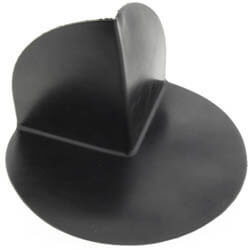
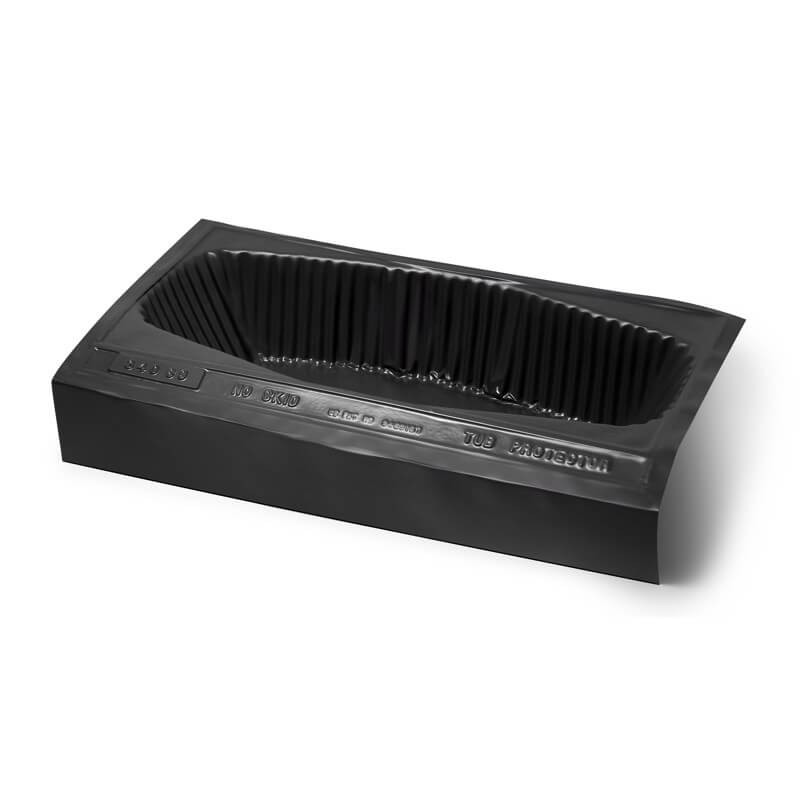
- Bath Tub Protectors: Bath tub protectors are temporary covers placed over a tub during construction or remodeling to prevent scratches, chips, and debris damage before the bathroom is finished. They are removed once other trade work in the space is complete. Protectors are sized to fit standard tub shapes and are a low-cost way to avoid damaging a fixture that is often installed early in a remodel.
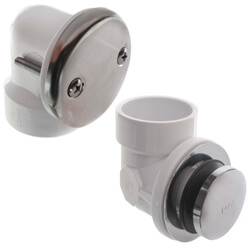
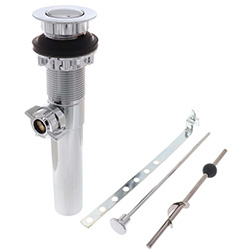
- Bath Waste Kits & Parts: Bath waste kits include the drain, overflow, and linkage parts that let a tub drain and, on tubs with an overflow, control the stopper mechanism. Kits are sold complete for new installations or as individual parts for repairing an existing waste assembly. Matching the kit or part to the tub's specific waste and overflow configuration is necessary since these are not universal across all tub models.
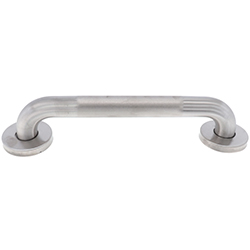
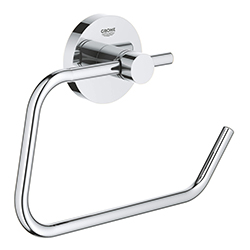
- Bathroom Hardware: Bathroom hardware in this category includes towel bars, robe hooks, grab bars, and similar wall-mounted accessories used to finish a bathroom around the tub and shower area. Buyers typically choose these items to match the finish of the faucet and trim already selected for the room. Grab bars in particular should be installed into framing or blocking rated to support the required load.
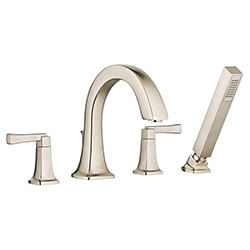
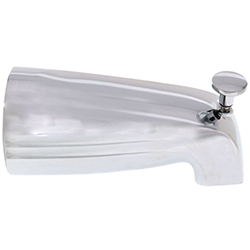
- Bathtub Faucets: Bathtub faucets deliver water to the tub and, on combination units, to a showerhead through a diverter. They are sold in various mount styles, including deck-mounted, wall-mounted, and floor-mounted freestanding configurations, each requiring different rough-in preparation. Matching the faucet to the tub's mounting configuration and the valve already roughed in avoids a mismatch discovered late in the job.
Buying Guide
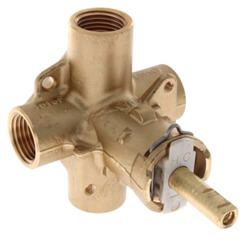
Planning a tub or shower installation starts with the rough-in valve and its intended trim compatibility, since trim kits are generally matched to a specific valve body and brand. Selecting the valve early and confirming available trim finishes and styles for that valve avoids being locked into a limited trim selection later in the job.
Waste and overflow configuration should be confirmed against the specific tub being installed, since these parts are not universal across manufacturers or tub models. A mismatched waste kit can leak or fail to seat properly. Confirming the waste type for the specific tub before ordering avoids a return trip for the correct part.
Faucet mounting style (deck-mounted, wall-mounted, or freestanding floor-mounted) determines the rough-in plumbing needed well before the tub or shower surround is set. A freestanding tub faucet, for example, requires rough plumbing positioned and supported differently than a deck-mounted faucet. This decision needs to happen early in the job rather than after the tub is set.
Coordinating finish across the faucet, trim, and bathroom hardware gives a bathroom a consistent look. Buying these items together, rather than piecing them together over multiple orders, reduces the risk of a subtle finish mismatch between manufacturers. Even the same finish name can look different across brands, so comparing physical samples or verified photos before ordering multiple pieces is worthwhile on a job where appearance matters.
Protecting the tub itself during the remainder of construction is easy to overlook once it is set. A tub protector installed right after the fixture goes in avoids chips and scratches from other trades working in the space. It is a low-cost step relative to the cost of repairing or replacing a damaged tub late in a job.
Frequently Asked Questions
Can shower trim be replaced without replacing the valve behind the wall?
Yes, in most cases the trim, including the handles and escutcheons, can be replaced on its own. The new trim must be compatible with the existing valve body and brand. Confirming the valve body and brand before ordering avoids a mismatch.
Are tub waste and overflow kits universal across tub brands?
No, waste and overflow configurations vary by tub manufacturer and model. A kit or replacement part should be matched to the specific tub's waste type rather than assumed to be interchangeable.
What rough-in is needed for a freestanding tub faucet?
Freestanding faucets require plumbing roughed in and supported at the floor in the specified position. This differs from the wall or deck rough-in needed for other faucet mounting styles. Planning for this should happen before the tub is set in place.
Why use a tub protector during a remodel?
A tub protector prevents scratches, chips, and debris damage from other trades working in the space after the tub is installed but before the bathroom is finished. It is a low-cost way to avoid damaging a fixture that often goes in early in the job.
Do grab bars need special blocking behind the wall?
Yes, grab bars should be anchored into framing or blocking rated to support the required load rather than into drywall alone. Planning for that typically happens during the rough-in stage, before walls are closed up.
Resources
Subcategories
- Bath & Shower Strainers: Bath and shower strainers cover the drain opening in a tub or shower base. They catch hair and debris before it enters the drain line and complete the finished look of the drain. They are sized and styled to match the drain opening and finish of a specific tub or shower. Replacing a worn or damaged strainer is a common service task separate from replacing the drain assembly itself.
- Bath and Shower Trim: Bath and shower trim includes the visible handles, escutcheons, and covers that sit at the wall over a tub or shower valve. It finishes the installation after the rough-in valve is set. Trim kits are typically sold to match a specific valve body and finish so the exposed hardware fits properly and matches other fixtures in the room. Replacing trim alone, without replacing the valve, is a common way to update a bathroom's look.
- Bath Tub Protectors: Bath tub protectors are temporary covers placed over a tub during construction or remodeling to prevent scratches, chips, and debris damage before the bathroom is finished. They are removed once other trade work in the space is complete. Protectors are sized to fit standard tub shapes and are a low-cost way to avoid damaging a fixture that is often installed early in a remodel.
- Bath Waste Kits & Parts: Bath waste kits include the drain, overflow, and linkage parts that let a tub drain and, on tubs with an overflow, control the stopper mechanism. Kits are sold complete for new installations or as individual parts for repairing an existing waste assembly. Matching the kit or part to the tub's specific waste and overflow configuration is necessary since these are not universal across all tub models.
- Bathroom Hardware: Bathroom hardware in this category includes towel bars, robe hooks, grab bars, and similar wall-mounted accessories used to finish a bathroom around the tub and shower area. Buyers typically choose these items to match the finish of the faucet and trim already selected for the room. Grab bars in particular should be installed into framing or blocking rated to support the required load.
- Bathtub Faucets: Bathtub faucets deliver water to the tub and, on combination units, to a showerhead through a diverter. They are sold in various mount styles, including deck-mounted, wall-mounted, and floor-mounted freestanding configurations, each requiring different rough-in preparation. Matching the faucet to the tub's mounting configuration and the valve already roughed in avoids a mismatch discovered late in the job.
Buying Guide
Planning a tub or shower installation starts with the rough-in valve and its intended trim compatibility, since trim kits are generally matched to a specific valve body and brand. Selecting the valve early and confirming available trim finishes and styles for that valve avoids being locked into a limited trim selection later in the job.
Waste and overflow configuration should be confirmed against the specific tub being installed, since these parts are not universal across manufacturers or tub models. A mismatched waste kit can leak or fail to seat properly. Confirming the waste type for the specific tub before ordering avoids a return trip for the correct part.
Faucet mounting style (deck-mounted, wall-mounted, or freestanding floor-mounted) determines the rough-in plumbing needed well before the tub or shower surround is set. A freestanding tub faucet, for example, requires rough plumbing positioned and supported differently than a deck-mounted faucet. This decision needs to happen early in the job rather than after the tub is set.
Coordinating finish across the faucet, trim, and bathroom hardware gives a bathroom a consistent look. Buying these items together, rather than piecing them together over multiple orders, reduces the risk of a subtle finish mismatch between manufacturers. Even the same finish name can look different across brands, so comparing physical samples or verified photos before ordering multiple pieces is worthwhile on a job where appearance matters.
Protecting the tub itself during the remainder of construction is easy to overlook once it is set. A tub protector installed right after the fixture goes in avoids chips and scratches from other trades working in the space. It is a low-cost step relative to the cost of repairing or replacing a damaged tub late in a job.
Frequently Asked Questions
Can shower trim be replaced without replacing the valve behind the wall?
Yes, in most cases the trim, including the handles and escutcheons, can be replaced on its own. The new trim must be compatible with the existing valve body and brand. Confirming the valve body and brand before ordering avoids a mismatch.
Are tub waste and overflow kits universal across tub brands?
No, waste and overflow configurations vary by tub manufacturer and model. A kit or replacement part should be matched to the specific tub's waste type rather than assumed to be interchangeable.
What rough-in is needed for a freestanding tub faucet?
Freestanding faucets require plumbing roughed in and supported at the floor in the specified position. This differs from the wall or deck rough-in needed for other faucet mounting styles. Planning for this should happen before the tub is set in place.
Why use a tub protector during a remodel?
A tub protector prevents scratches, chips, and debris damage from other trades working in the space after the tub is installed but before the bathroom is finished. It is a low-cost way to avoid damaging a fixture that often goes in early in the job.
Do grab bars need special blocking behind the wall?
Yes, grab bars should be anchored into framing or blocking rated to support the required load rather than into drywall alone. Planning for that typically happens during the rough-in stage, before walls are closed up.