




AO Smith Tankless Water Heater Parts

 --%3E %3Csvg version='1.1' id='Fill' xmlns='http://www.w3.org/2000/svg' xmlns:xlink='http://www.w3.org/1999/xlink' x='0px' y='0px' viewBox='0 0 100 100' enable-background='new 0 0 100 100' xml:space='preserve'%3E %3Cpath fill='%23F15C02' d='M79.44,0.95H20.56C9.78,0.95,0.95,9.78,0.95,20.56v58.87c0,10.79,8.82,19.61,19.61,19.61h58.87 c10.79,0,19.61-8.83,19.61-19.61V20.56C99.05,9.78,90.22,0.95,79.44,0.95z M65.38,58.24l9.38,29.58L49.69,69.78L24.5,87.82 l9.34-29.6L8.8,39.6l30.73-0.17c0,0,6.98-19.61,10-28.93c0.54,1.36,9.88,29.1,9.88,29.1H91.2L65.38,58.24z'/%3E %3C/svg%3E)
 --%3E %3Csvg version='1.1' id='No-RB' xmlns='http://www.w3.org/2000/svg' xmlns:xlink='http://www.w3.org/1999/xlink' x='0px' y='0px' viewBox='0 0 100 100' enable-background='new 0 0 100 100' xml:space='preserve'%3E %3Cpath fill='%23CECECE' d='M79.44,0.95H20.56C9.78,0.95,0.95,9.78,0.95,20.56v58.87c0,10.79,8.82,19.61,19.61,19.61h58.87 c10.79,0,19.61-8.83,19.61-19.61V20.56C99.05,9.78,90.22,0.95,79.44,0.95z M65.38,58.24l9.38,29.58L49.69,69.78L24.5,87.82 l9.34-29.6L8.8,39.6l30.73-0.17c0,0,6.98-19.61,10-28.93c0.54,1.36,9.88,29.1,9.88,29.1H91.2L65.38,58.24z'/%3E %3C/svg%3E)


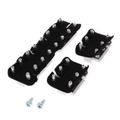
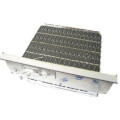
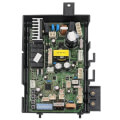
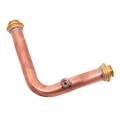
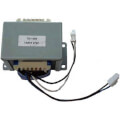
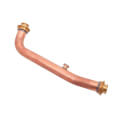
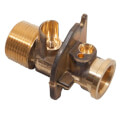
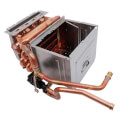
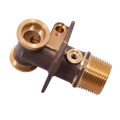
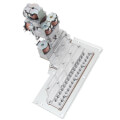
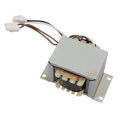
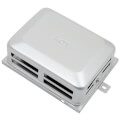
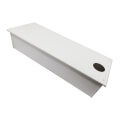
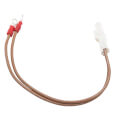
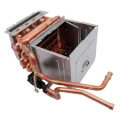
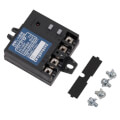
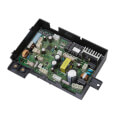
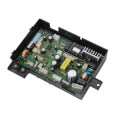
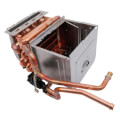

AO Smith tankless water heater parts are the replacement components technicians use to keep a tankless unit running instead of replacing the entire heater. This category covers heat exchangers, igniters, flow sensors, control boards, and the sensors and gaskets that fail with age or hard water exposure. Because a tankless heater relies on several sensors working together to fire safely and modulate output, a single failed part can shut the whole unit down even though the rest of the heater is functioning normally.
Technicians reach for these parts after running a diagnostic on an error code rather than replacing components at random, since tankless units are built to flag the specific system that failed. Stocking the parts most tied to common fault codes, such as igniters and flow sensors, keeps a service call to a single visit instead of requiring a return trip once the failed component is identified.
Subcategories
- Heat Exchangers: The heat exchanger is the core component that transfers heat from the burner to the water passing through the unit, and it is the most expensive part in the category to replace. Technicians typically only replace it after ruling out simpler causes, since scaling from hard water or a cracked exchanger both present as reduced hot water output or leaking. Confirming the exact model and BTU rating before ordering avoids a mismatch with the existing unit.
- Igniters and Ignition Parts: Igniters and the associated flame sensors are what light the burner on demand, and a failed igniter is one of the most common reasons a tankless unit will not produce hot water at all. These parts see repeated on-off cycling every time hot water is called for, which makes them a frequent wear item compared to other components in the unit. Replacing the igniter assembly is usually a straightforward fix once a no-ignition fault code points to it.
- Flow Sensors: The flow sensor detects when water is moving through the unit and tells the control board to fire the burner and modulate output. A failing flow sensor can cause the unit to not fire at all or to cycle unpredictably even with normal water flow. Technicians commonly check this part when a customer reports inconsistent hot water temperature rather than a total loss of heat.
- Control Boards: The control board manages ignition timing, modulation, and safety shutoffs across the entire unit, and a fault here can produce symptoms that look like several different problems at once. Replacing a control board is usually a last step after ruling out sensors and igniters individually, since it is a more involved and costlier repair. Matching the board to the exact unit generation is important since AO Smith has updated board designs across product runs.
Buying Guide
Ordering the right AO Smith tankless water heater parts starts with reading the error code the unit is displaying rather than guessing at a cause, since these units are designed to isolate a fault to a specific component such as the igniter, flow sensor, or heat exchanger.
Confirm the exact model number and, where applicable, the serial number before placing an order, since AO Smith has revised parts across different production runs and a part that looks identical may not be a direct fit. Cross-referencing the model against the fault code narrows down which component is the likely cause.
For AO Smith tankless water heater parts tied to combustion, such as igniters and flame sensors, consider the age and cycling history of the unit. High-use commercial applications cycle these components far more often than residential installs, which shortens their service life and makes proactive replacement worth considering during a routine maintenance visit.
Scale buildup is a leading cause of heat exchanger problems in areas with hard water, so a service history that includes regular descaling can rule out the heat exchanger as a cause of reduced output and point toward a sensor or control issue instead.
When a control board is suspected, verify wiring and sensor connections are intact before ordering a replacement board, since a loose connector can mimic board failure and result in an unnecessary parts purchase.
Frequently Asked Questions
How do I identify which AO Smith tankless part I need?
Start with the error code displayed on the unit, which points to a specific system such as ignition, flow, or the heat exchanger. Confirm the exact model and serial number before ordering, since part designs have changed across production runs.
Why does my tankless unit fail to ignite even though it has power?
A no-ignition fault is most commonly caused by a failed igniter or flame sensor, both of which cycle every time hot water is called for and wear out faster than other components. Checking the ignition fault code first narrows down the repair.
What causes inconsistent hot water temperature from a tankless unit?
Inconsistent output often points to a failing flow sensor that is not accurately reporting water movement to the control board. This causes the unit to under- or over-modulate the burner rather than maintaining a steady output.
When should I replace the heat exchanger instead of another part?
The heat exchanger is usually the last component checked, after ruling out igniters, sensors, and scale buildup, since it is the most expensive part to replace. Persistent leaking or a significant drop in hot water output despite a clean sensor history points toward the exchanger.
Does hard water affect how often these parts need replacement?
Yes, hard water accelerates scale buildup inside the heat exchanger and can affect sensor accuracy over time. Units without regular descaling maintenance tend to need heat exchanger and sensor service more frequently than units on a maintenance schedule.
